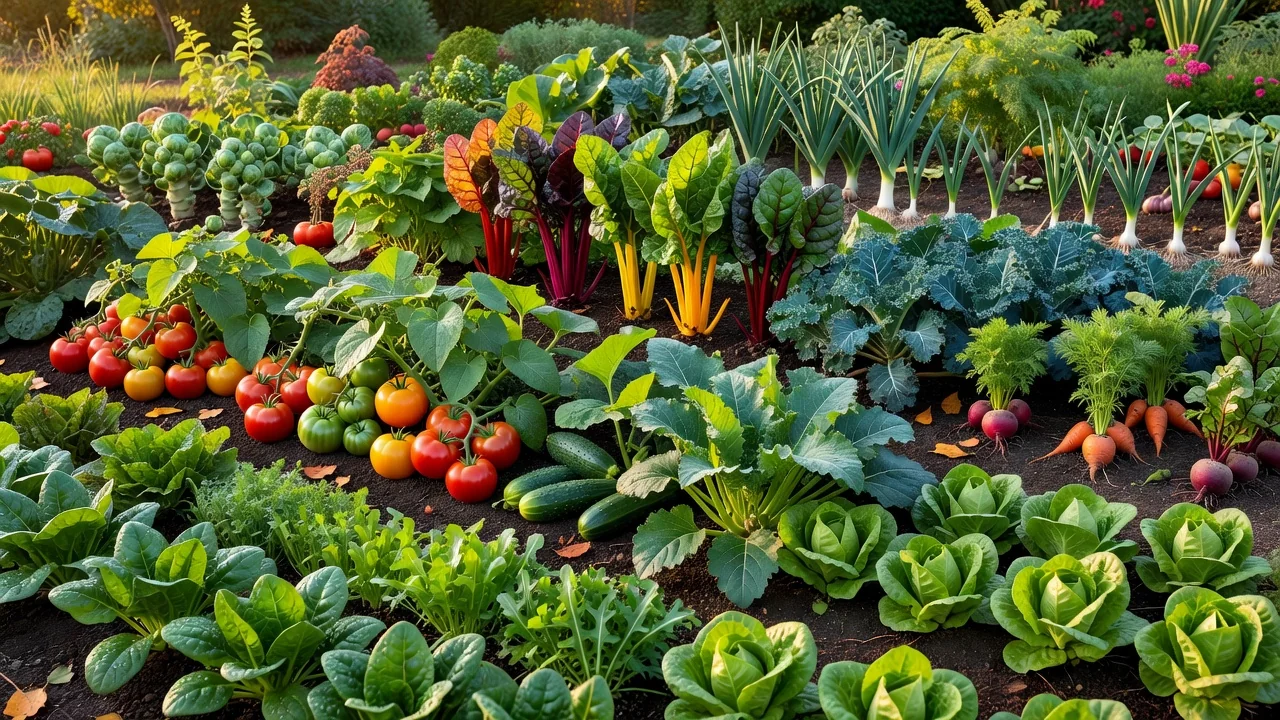
Have you ever dreamed of plucking fresh tomatoes from your own backyard?
Starting a vegetable garden is not only a fulfilling hobby but also a fantastic way to lead a healthier lifestyle.
In today’s world, where store-bought produce can be laden with pesticides and travel thousands of miles to reach your plate, growing your own vegetables provides you with peace of mind and incredible flavors.
This guide will walk you through the essential steps on how to start a vegetable garden, ensuring that even beginners can cultivate their own green oasis.
From choosing the right spot in your yard to planting your first seeds, you’ll discover invaluable tips and resources, including links to 10 Easy Vegetables Every Beginner Should Grow at Home and The Best Garden Plants for Beginners that will set you on the path to gardening success.
Understanding the Basics of Vegetable Gardening
Vegetable gardening is an enriching hobby that allows individuals to grow their own food while enjoying the outdoors.
It involves cultivating various plants that provide edible fruits, vegetables, and herbs.
One of the primary benefits of vegetable gardening is the fresh produce it yields, which can be more nutritious than store-bought options.
Additionally, growing your own vegetables can save money and is an excellent way to engage with nature.
Before diving into gardening, it’s crucial to understand your growing zone.
This refers to the climate in your area and dictates which vegetables will thrive in your garden.
For instance, certain plants flourish in warmer climates while others prefer cooler temperatures.
By researching your specific growing zone, you can select crops that will have the best chance of success.
Moreover, having the right tools is essential for beginners.
Some key gardening tools include a spade, trowel, watering can, and gloves.
These tools will make the gardening process more manageable and enjoyable.
For further insights into suitable vegetables for beginners, check out 10 Easy Vegetables Every Beginner Should Grow at Home.
Understanding these basics sets a solid foundation for a rewarding vegetable gardening experience.
Planning Your Vegetable Garden Layout
When starting a vegetable garden, planning your layout is a crucial step that can significantly impact your success.
First, it’s essential to choose the right location.
Look for a spot that receives at least 6-8 hours of sunlight daily.
For instance, if you have a backyard, observe which areas get the most sun throughout the day.
This will help you select the best place for your garden.
Next, understanding the sunlight requirements for the vegetables you plan to grow is vital.
Different vegetables have varying needs; for example, tomatoes and peppers thrive in full sun, while leafy greens like lettuce prefer partial shade.
Hence, make sure to research which vegetables suit your chosen spot.
Moreover, the design of your garden layout plays a significant role.
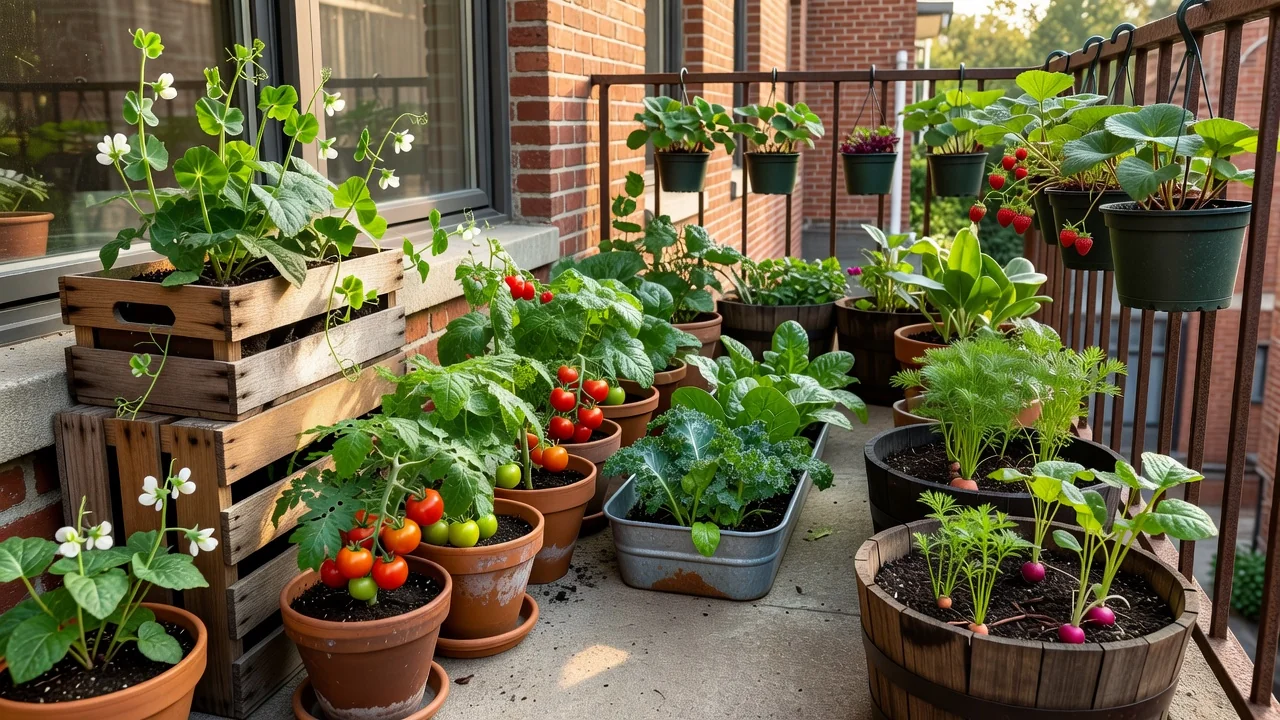
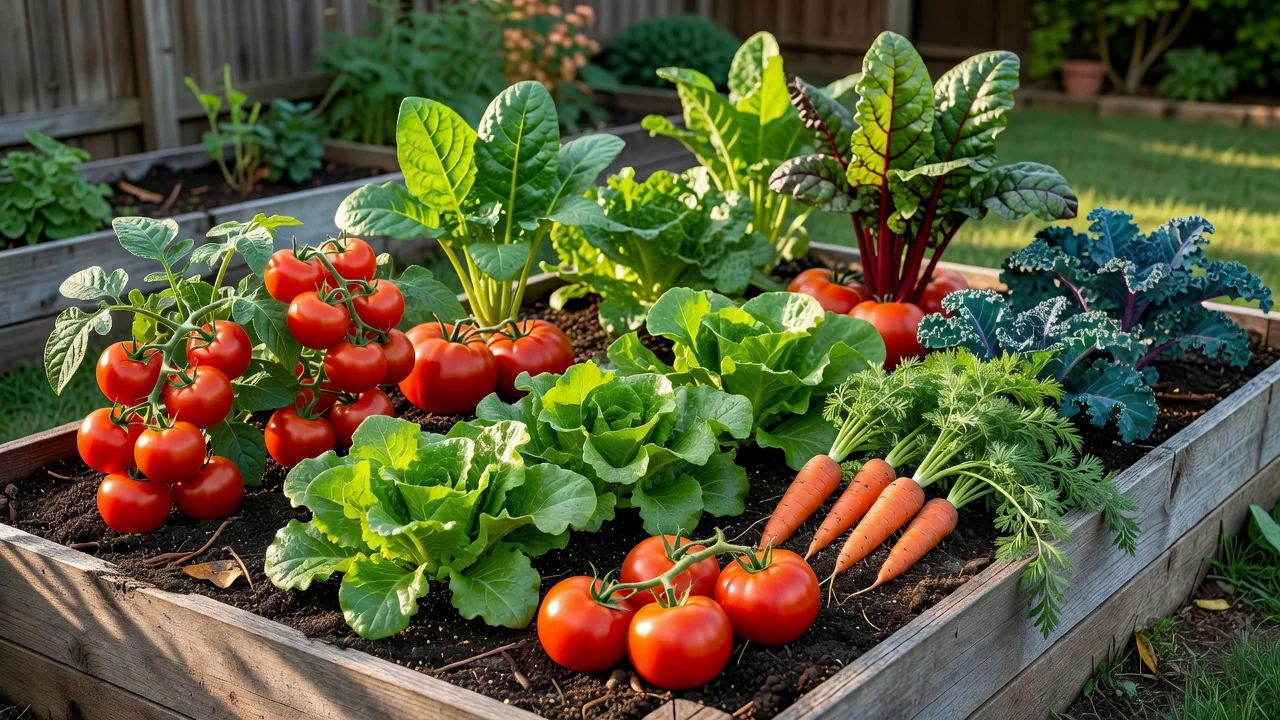
You can opt for raised beds, rows, or containers, depending on your space and preference.
Raised beds, for example, can improve drainage and make it easier to manage soil quality.
In contrast, container gardening is ideal for smaller spaces and allows for easy mobility.
In conclusion, a well-thought-out garden layout tailored to your space and the sunlight needs of your desired vegetables is foundational for a thriving garden.
For more tips, consider checking out 10 Easy Vegetables Every Beginner Should Grow at Home.
Selecting the Right Vegetables for Beginners
Choosing the right vegetables is crucial for novice gardeners. Not only does it set the stage for a successful gardening experience, but it also enhances the likelihood of enjoying a bountiful harvest.
For beginners, starting with vegetables that are easy to grow can provide essential confidence and skills.
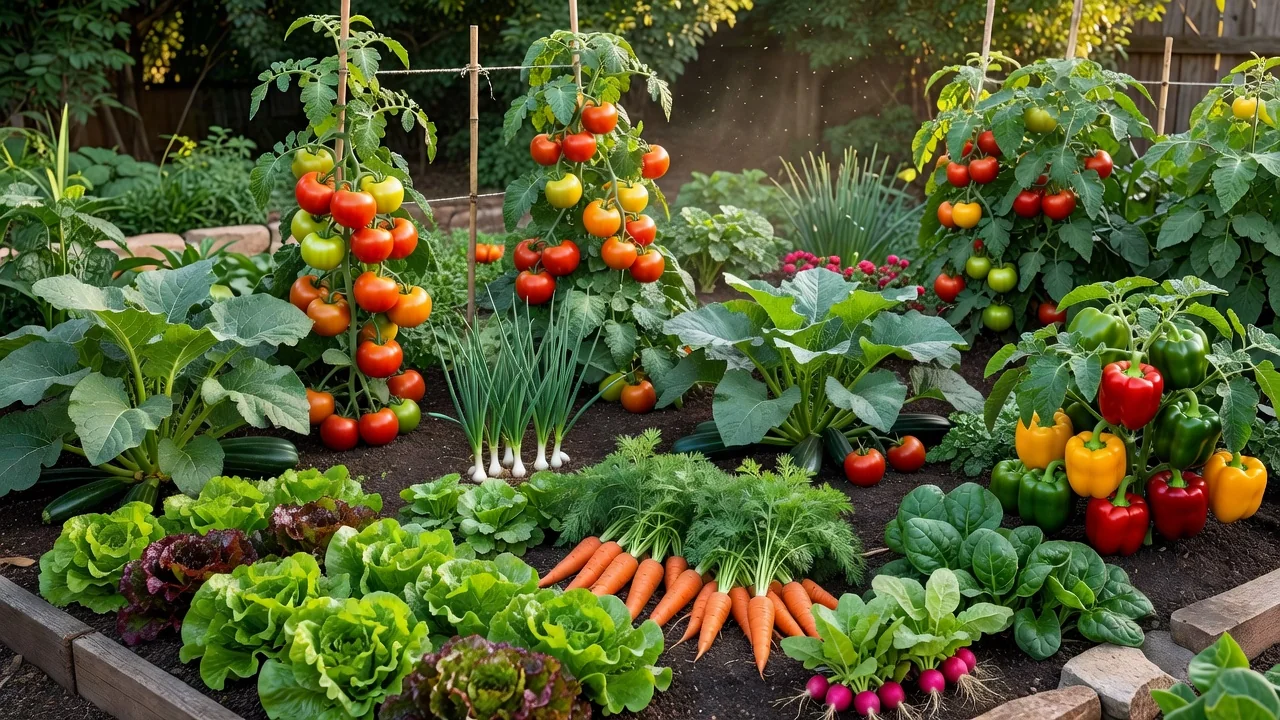
Some top vegetables recommended for beginners include lettuce, radishes, and carrots.
These vegetables thrive in a variety of soil conditions and require minimal maintenance.
For instance, lettuce grows quickly and can be harvested multiple times, while radishes are known for their rapid growth cycle, often ready to harvest in just a few weeks.
Seasonal planting tips are also important to consider.
For example, planting cool-season crops like peas and spinach in early spring can yield excellent results before the heat of summer sets in.
Conversely, warm-season vegetables such as tomatoes and peppers should be planted after the last frost to ensure optimal growth.
Lastly, understanding companion planting basics can significantly improve your garden’s success.
For example, planting basil alongside tomatoes can enhance flavor while repelling pests.
For more insights on easy vegetables to grow, check out 10 Easy Vegetables Every Beginner Should Grow at Home.
In conclusion, selecting the right vegetables tailored to your experience and local climate is a fundamental step in starting a successful vegetable garden.
Preparing Your Garden Soil
Healthy soil is the foundation of a successful vegetable garden. Before planting, it’s crucial to understand the composition and health of your soil, as this directly impacts the growth and productivity of your plants.
To begin, testing your soil’s pH and nutrient levels is essential.
You can purchase a simple soil test kit from a garden center or send a sample to a local agricultural extension office.
Most vegetables thrive in slightly acidic to neutral soil, with a pH between 6.0 and 7.0.
Knowing your soil’s pH helps you make informed decisions on amendments needed to create the ideal environment for your crops.
Once you’ve assessed your soil, the next step involves amending it with organic matter.
Adding materials such as compost, well-rotted manure, or peat moss enhances soil structure, improves drainage, and increases nutrient content.
For instance, incorporating two to three inches of compost into your garden bed can significantly boost its fertility and moisture retention.
In conclusion, taking the time to prepare your garden soil properly will set the stage for a bountiful harvest.
By understanding your soil’s needs and making the necessary amendments, you ensure that your vegetable garden thrives.
For more tips on what to grow, check out 10 Easy Vegetables Every Beginner Should Grow at Home.
Planting and Caring for Your Vegetables
Successfully planting and nurturing your vegetables is crucial for a thriving garden. Begin by choosing the right time to plant your seeds or seedlings, as this will greatly affect their growth.
Generally, seeds should be planted at a depth of two to three times their size.
For example, if you are planting carrot seeds, which are tiny, sow them just below the surface.
On the other hand, larger seeds like beans can be planted deeper.
Once your seeds are in the ground, consistent watering is vital.
It’s recommended to water your garden in the early morning or late afternoon to minimize evaporation.
A good rule of thumb is to provide about one inch of water per week, either from rainfall or supplemental watering.
This ensures that the roots grow deep and strong, making your plants more resilient.
Additionally, managing pests and diseases is essential for healthy plants.
Regularly inspect your garden for signs of trouble, such as holes in leaves or wilting plants.
Utilize natural pest control methods, like introducing beneficial insects such as ladybugs or using organic sprays.
For more tips on plant care, check out 10 Essential Plant Care Tips Every Beginner Should Know.
By following these steps, you will be well on your way to a bountiful vegetable garden.
Harvesting and Enjoying Your Homegrown Vegetables
Harvesting your homegrown vegetables is one of the most rewarding steps in the gardening journey. Knowing when to harvest is crucial for ensuring the best flavor and texture.
Each type of vegetable has its own signs of ripeness.
For example, tomatoes should be picked when they are fully colored and slightly soft to the touch, while cucumbers are best when they are still firm and their skin is shiny.
Implementing best practices for harvesting can significantly impact your plants’ health.
Always use clean, sharp tools to avoid damaging the plants.
For leafy greens like lettuce, cut the leaves at the base instead of pulling them, which can encourage further growth.
Moreover, harvesting in the early morning can lead to the freshest flavor, as the vegetables are at their most hydrated.
After harvesting, proper storage is key to preserving your bounty.
Many vegetables can be stored in a cool, dark place, while others, like peppers and tomatoes, benefit from refrigeration.
You might also consider methods of preservation such as freezing or canning.
These techniques not only extend the life of your harvest but also allow you to enjoy your garden’s bounty long after the season ends.
For more tips on plant care, check out 10 Essential Plant Care Tips Every Beginner Should Know.
In conclusion, knowing how to properly harvest and store your vegetables enhances the gardening experience and ensures you enjoy the fruits of your labor.
Conclusion
Throughout this guide, we have uncovered the essential steps to starting your very own vegetable garden.
You now possess the knowledge to transform your backyard into a thriving source of fresh produce.
It’s time to take action: gather your seeds and start planting today!
Imagine the satisfaction of enjoying homegrown vegetables—a rewarding journey awaits you!