Did you know that nearly 70% of new vegetable gardeners make the same mistakes?
This statistic highlights a common struggle faced by many aspiring green thumbs.
In this article, we will explore the common vegetable gardening mistakes that can derail your efforts and how to avoid them.
By understanding these pitfalls, you can save time, money, and frustration, ensuring a thriving garden that yields delicious produce.
Prepare to discover practical tips and insights that will transform your gardening experience, including how to start a vegetable garden and the easy vegetables every beginner should grow.
Understanding Common Vegetable Gardening Mistakes
Gardening can be a rewarding endeavor, but many beginners often make mistakes that hinder their success. Recognizing these common vegetable gardening mistakes is essential for cultivating a thriving garden.
By understanding the pitfalls, gardeners can improve their techniques and yield better results.
One of the most frequent errors is overwatering.
New gardeners might believe that more water will lead to healthier plants.
However, excessive moisture can cause root rot and other diseases.
For example, a beginner might water their tomato plants daily, not realizing that these plants prefer to dry out slightly between waterings.
This highlights the importance of understanding individual plant needs.
Another common mistake is planting at the wrong time. Timing is critical in gardening, especially for vegetables that are sensitive to temperature and seasonal changes.
For instance, planting beans too early in spring can expose them to frost, which can kill the seedlings.
It’s crucial for gardeners to research the best planting times for their specific region to avoid such issues.
Additionally, many beginners neglect soil preparation, which is vital for healthy plant growth.
Poor soil quality can lead to nutrient deficiencies and weak plants.
Adding organic matter or compost can enhance soil structure and fertility, ensuring that vegetables have the necessary nutrients.
As a result, investing time in soil preparation is a fundamental step that should not be overlooked.
In conclusion, understanding these common vegetable gardening mistakes can significantly improve a gardener’s success rate.
By recognizing issues such as overwatering, timing, and soil preparation, beginners can cultivate a flourishing garden.
For more tips on getting started, check out How to Start a Vegetable Garden: A Step-by-Step Guide for Beginners.
Mistake #1: Poor Soil Preparation
Soil preparation is the foundation of a successful vegetable garden. Many novice gardeners overlook this crucial step, leading to disappointing results.
Understanding the importance of testing soil pH and nutrient levels is essential.
For instance, vegetables such as tomatoes thrive in slightly acidic soil with a pH between 6.0 and 6.8.
Testing your soil can help you determine if amendments are necessary before planting.
To amend soil properly, start by adding organic matter like compost or well-rotted manure.
This not only improves soil structure but also enhances nutrient content.
For example, incorporating compost can increase soil moisture retention and promote beneficial microbial activity.
Additionally, many gardeners mistakenly believe that simply adding fertilizer is enough.
However, without addressing the soil’s pH and nutrient deficiencies, plants may still struggle.
Ultimately, taking the time to prepare your soil correctly can lead to healthier plants and a more bountiful harvest.
By avoiding the mistake of poor soil preparation, you set the stage for a thriving garden.
For those new to gardening, consider reading our guide on how to start a vegetable garden for more tips.
Mistake #2: Incorrect Plant Spacing
One of the most common mistakes in vegetable gardening is incorrect plant spacing. Overcrowding plants can lead to several issues that ultimately affect the health and yield of your garden.
When plants are too close together, they compete for essential resources such as sunlight, water, and nutrients.
This competition can result in stunted growth, reduced yields, and increased susceptibility to diseases.
For instance, if you plant tomatoes too closely, they may develop issues like blight due to poor air circulation.
To avoid this, it’s crucial to follow spacing guidelines specific to each type of vegetable.
For example, leafy greens like lettuce can be spaced about 6-12 inches apart, while larger plants like squash require a minimum of 24-36 inches.
Additionally, planning your garden layout effectively can make a significant difference.
Consider using a grid layout or companion planting techniques to maximize space and ensure that each plant has enough room to thrive.
In conclusion, proper spacing is essential for a successful vegetable garden.
By understanding the specific needs of your plants and planning accordingly, you can enhance growth and ultimately enjoy a bountiful harvest.
For beginners looking to start their gardening journey, referring to resources like How to Start a Vegetable Garden: A Step-by-Step Guide for Beginners can be incredibly helpful.
Mistake #3: Neglecting Watering Needs
Proper watering is essential for a thriving vegetable garden. However, many novice gardeners often overlook the specific watering needs of their plants, leading to detrimental effects on growth and yield.
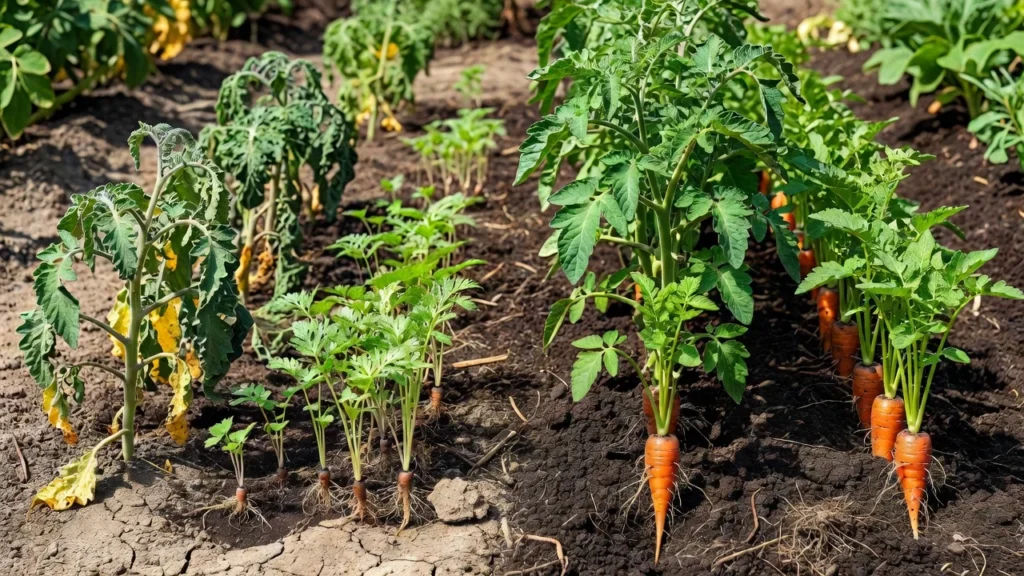
One common mistake is failing to recognize the signs of overwatering and underwatering.
Overwatered plants may exhibit yellowing leaves, wilting, or root rot, while underwatered plants often show signs of drought stress, such as drooping leaves or stunted growth.
For instance, tomato plants require consistent moisture, and fluctuations can lead to blossom end rot, a common problem for home gardeners.
To effectively water vegetables, it is crucial to consider your local climate.
For example, during hot summer months, vegetables may need watering more frequently, while in cooler, wetter conditions, less frequent watering might suffice. Best practices include watering deeply but infrequently, allowing the soil to dry out slightly between sessions to promote healthy root development.
In conclusion, understanding the specific watering needs of your vegetable garden can significantly enhance your gardening success.
For more guidance on starting your vegetable garden, check out How to Start a Vegetable Garden: A Step-by-Step Guide for Beginners.
Mistake #4: Ignoring Pest Management
Effective pest management is crucial for a thriving vegetable garden. Ignoring pests can lead to devastating losses, as these unwelcome guests can damage or even destroy your crops.
Common pests, such as aphids, caterpillars, and spider mites, often prey on vegetables, making it essential to identify and manage them effectively.
There are several methods to control pests, ranging from natural to chemical solutions.
For instance, introducing beneficial insects like ladybugs can naturally keep aphid populations in check.
Alternatively, organic pesticides can be used to target specific pests without harming beneficial organisms.
When opting for chemical solutions, it is vital to follow the application instructions carefully to minimize any potential harm to your garden.
Monitoring for pests is equally important.
Regularly inspect your plants for signs of infestation, such as discolored leaves or webbing.
Implementing a routine check can help catch problems early.
For further guidance on starting your own vegetable garden, visit How to Start a Vegetable Garden: A Step-by-Step Guide for Beginners.
By prioritizing pest management, you can ensure a bountiful harvest.
Remember, prevention is often more effective than treatment.
Conclusion: Learning from Mistakes
Reflecting on the common mistakes made in vegetable gardening is crucial for improvement. Throughout this article, we explored various pitfalls, such as improper plant spacing, neglecting soil health, and overwatering.
Each mistake offers a valuable lesson that can enhance your gardening skills.
By implementing the tips discussed, gardeners can cultivate a thriving garden.
Remember, gardening is a journey of continuous learning, and sharing your experiences can benefit others in the community.
For more insights, check out How to Start a Vegetable Garden: A Step-by-Step Guide for Beginners and 10 Easy Vegetables Every Beginner Should Grow at Home.
Conclusion
Throughout this article, we uncovered the common vegetable gardening mistakes that can hinder your success.
By understanding these pitfalls and learning how to avoid them, you are now equipped to cultivate a thriving vegetable garden.
It’s time to take action: start implementing these tips today to ensure your garden flourishes.
Remember, every gardener makes mistakes, but the true measure of success is how we learn and grow from them!