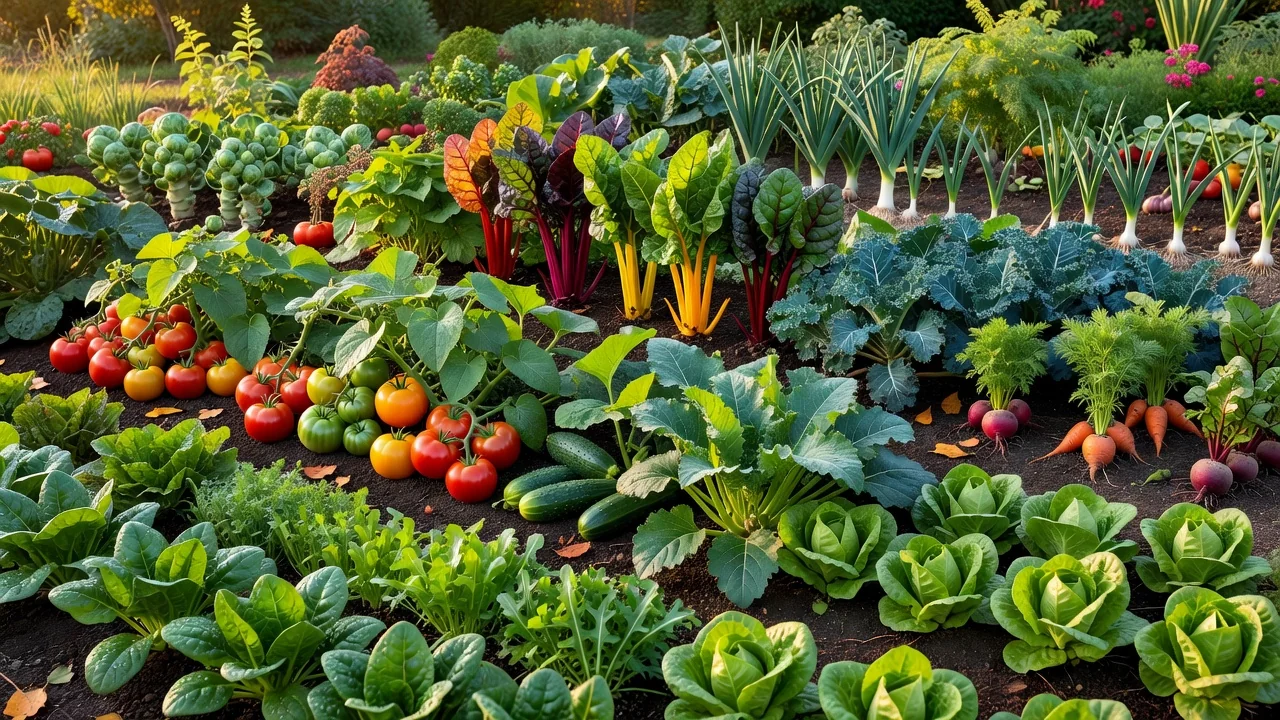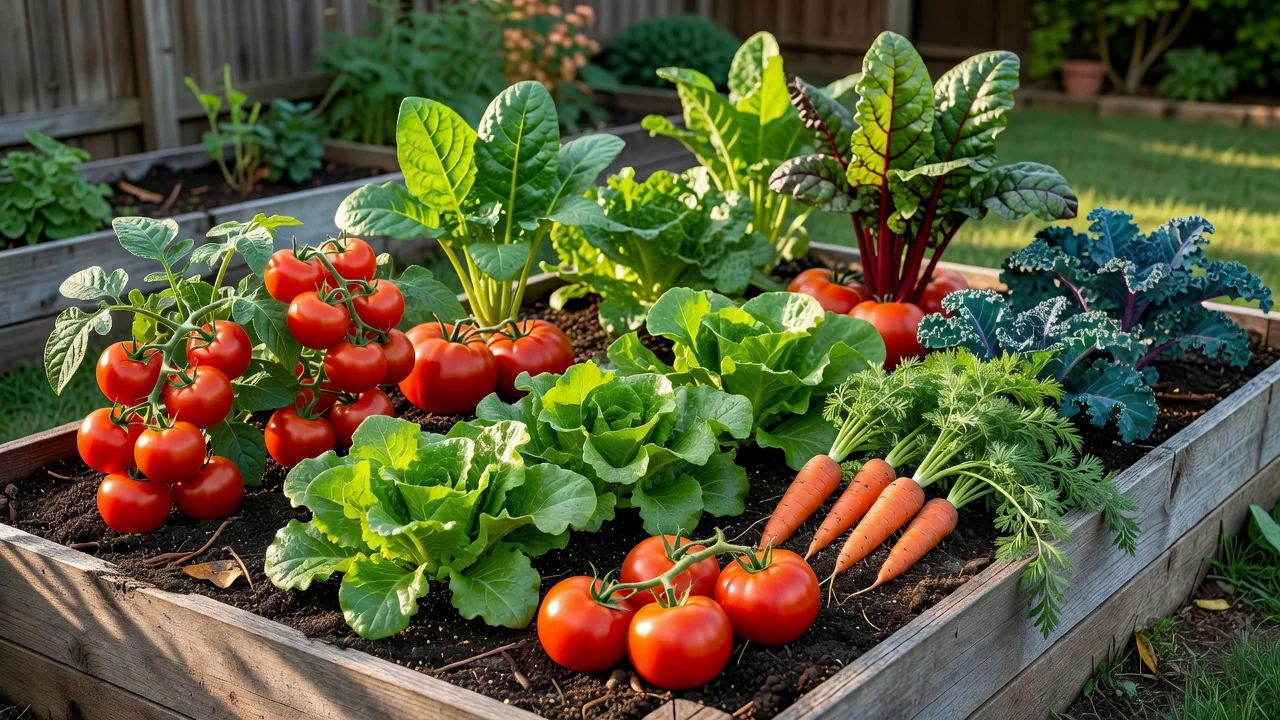
Did you know that growing your own vegetables can save you money while providing fresh produce right from your backyard?
As the world shifts towards healthier eating habits and sustainability, home gardening has gained immense popularity.
In this article, we’ll explore the 10 easy vegetables every beginner should grow at home, making it simple for you to start your gardening journey.
Not only will you learn about the best vegetables to cultivate, but you’ll also discover essential tips to ensure your garden thrives, enabling you to enjoy the fruits of your labor.
So, let’s dig in and uncover how you can transform your space into a bountiful vegetable garden!
Why Grow Vegetables at Home?
Growing vegetables at home offers numerous benefits that cater to both health and financial well-being.
Firstly, cultivating your own vegetables significantly improves your health by providing fresh produce right from your garden.
Homegrown vegetables can be harvested at their peak ripeness, ensuring that you receive maximum nutrients and flavors.
For instance, a simple salad made with freshly picked tomatoes and cucumbers can be far tastier and healthier than store-bought options, which often lack freshness and may contain preservatives.
Moreover, growing your own vegetables can save you money on groceries. According to estimates, a home vegetable garden can reduce grocery bills by up to 25%. By investing in seeds and soil, you can grow a variety of vegetables, minimizing the need for expensive store purchases.
For example, growing a few tomato plants can yield enough fruit to last the whole summer, significantly cutting down your spending on tomatoes in the market.
Lastly, gardening is a rewarding hobby that promotes mental well-being.
The act of planting, nurturing, and harvesting vegetables can be therapeutic.
It provides a sense of accomplishment and connection to nature.
If you’re new to gardening, consider reading 10 Essential Plant Care Tips Every Beginner Should Know to help you get started.
In conclusion, growing vegetables at home not only enhances your diet but also offers financial savings and mental health benefits.
Getting Started with Your Home Vegetable Garden
Establishing a home vegetable garden is an exciting endeavor. However, getting started can feel overwhelming for beginners.
To ensure success, it’s essential to consider a few key factors.
First, choosing the right location is crucial.
Vegetables require adequate sunlight, ideally around 6-8 hours a day.
Look for a spot in your yard that receives ample sunlight and is easily accessible for maintenance.
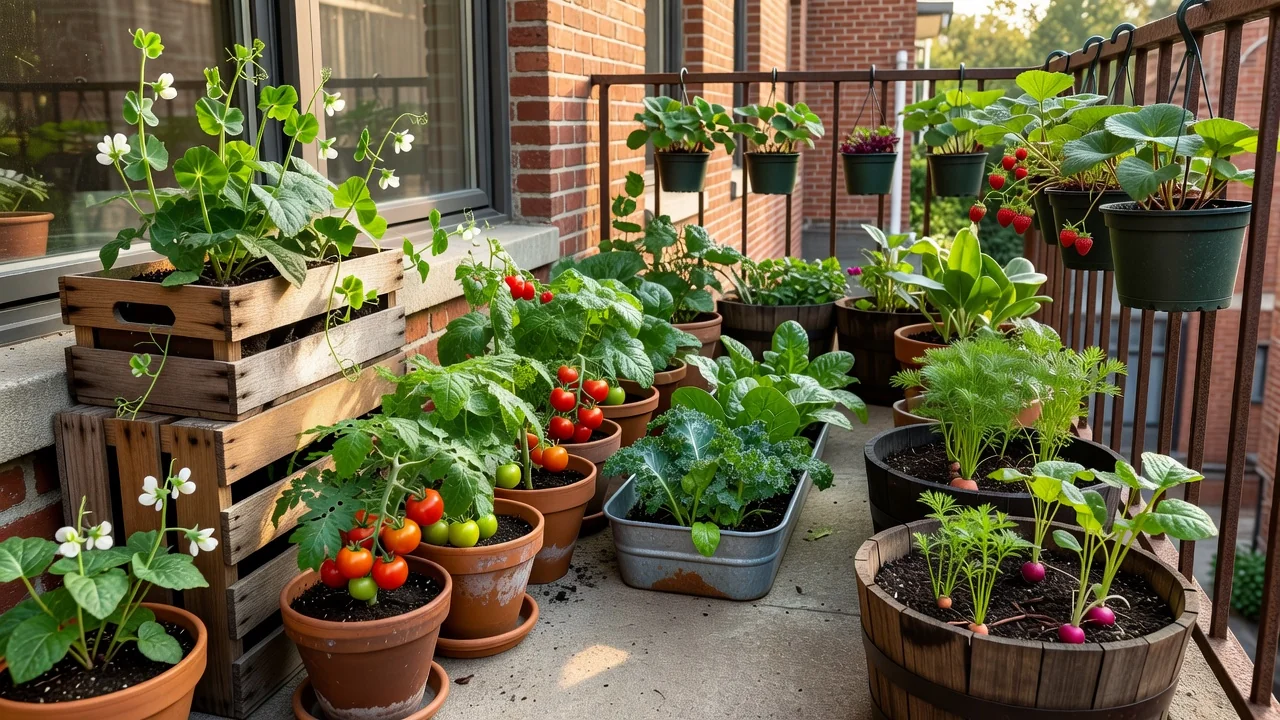
If you have limited space, consider container gardening, which allows you to maximize your growing area while still providing the necessary light.
Next, selecting quality soil and necessary tools is vital.
High-quality soil enriches your plants and can significantly impact their growth.
Consider purchasing a soil test kit to check for pH levels and nutrient content.
Additionally, gather essential gardening tools such as a trowel, watering can, and gloves.
These tools will help you prepare your garden and care for your vegetables effectively.
Finally, planning your garden layout effectively can make a difference in productivity.
Grouping plants with similar water and sunlight needs can optimize growth.
For more tips on successful gardening, check out 10 Essential Plant Care Tips Every Beginner Should Know.
With these foundational steps, you are well on your way to enjoying the benefits of your home vegetable garden.
10 Easy Vegetables Every Beginner Should Grow
Starting a home garden can be a rewarding experience. For beginners, selecting easy-to-grow vegetables is essential to build confidence and enjoy the process.
Here are ten vegetables that not only thrive in various conditions but also provide delicious rewards.
Popular Choices for Beginners
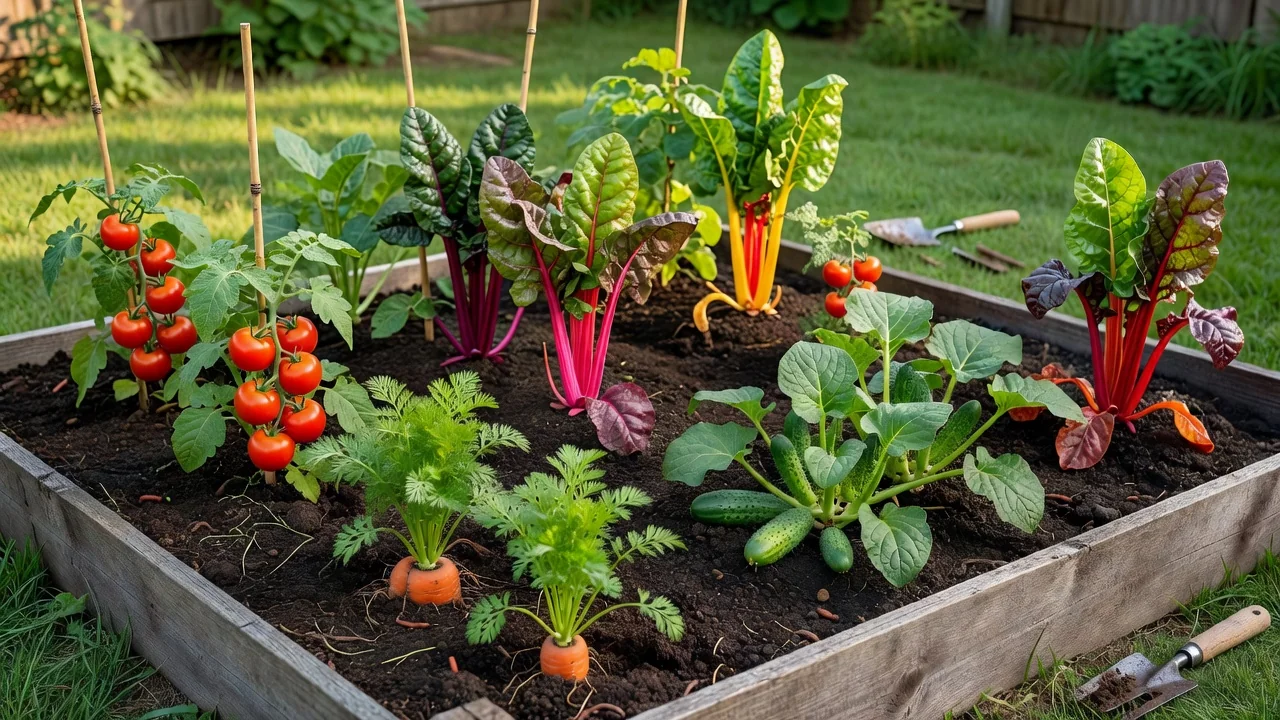
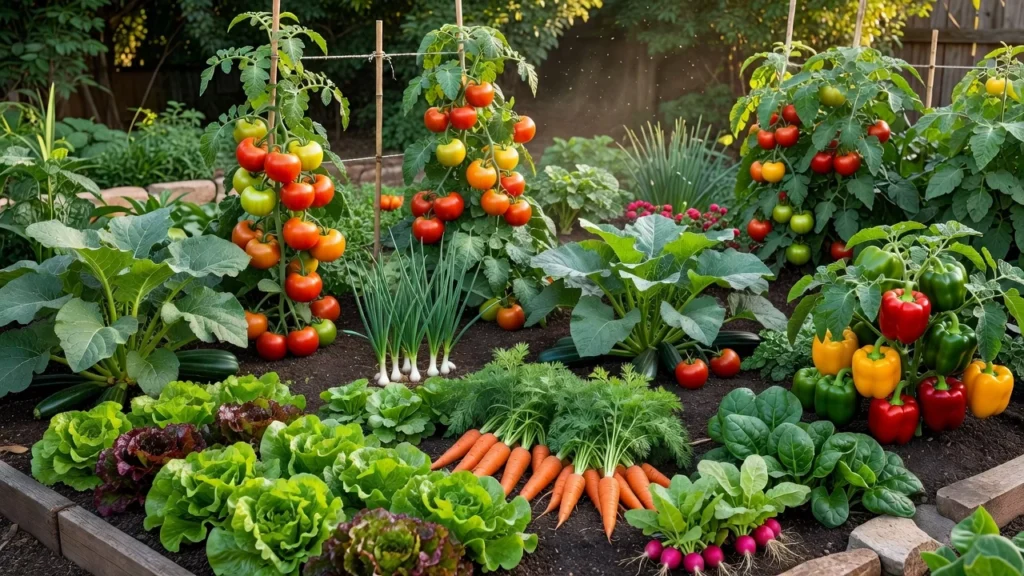
Tomatoes are often the first choice for new gardeners.
They are incredibly versatile, used in salads, sauces, and even sandwiches.
With proper sunlight and regular watering, tomatoes can produce a bountiful harvest.
Varieties like cherry or grape tomatoes are particularly forgiving and grow well in containers.
Next up is lettuce, which is known for its quick growth and ease of maintenance.
Leafy greens can be harvested multiple times throughout the growing season, making them a cost-effective option.
Simply sow seeds directly into the soil, and within weeks, you’ll have fresh lettuce ready for your salads.
Radishes are another fast-growing vegetable that rewards gardeners with a crisp and spicy taste.
These root vegetables can mature in as little as three weeks, making them perfect for impatient beginners.
They thrive in cooler weather, so planting them in early spring or fall yields the best results.
Carrots are not only fun to grow but also add a sweet crunch to various dishes.
While they may take a bit longer to mature, the process of watching them develop underground is exciting.
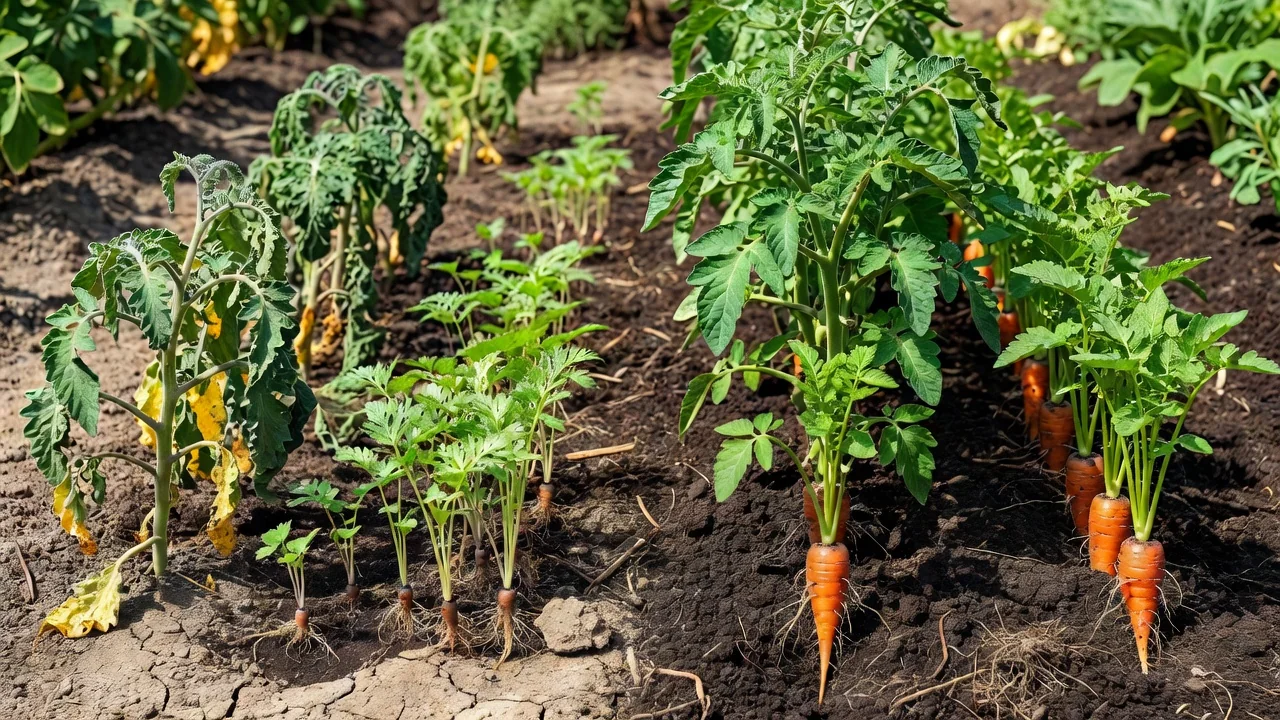
Ensure that the soil is loose and free of rocks to allow for healthy growth.
Colorful and Nutritious Options
Bell peppers come in a variety of colors and are packed with vitamins A and C.
These plants do well in warm weather and can be grown in pots, making them ideal for small spaces.
With some care, you can enjoy a vibrant selection of peppers right from your garden.
Cucumbers are refreshing and simple to cultivate, often climbing up trellises, which saves space in your garden.
Regular watering is crucial for cucumbers, but they grow rapidly, providing a plentiful harvest throughout the summer months.
Zucchini plants are known for their high yield and minimal effort required.
Just a couple of plants can produce an abundance of squash, making them a favorite among beginners.
They also adapt well to various soil types.
Green beans are climbing plants that save space in your garden.
They are easy to grow and require little maintenance, making them perfect for those just starting.
Once established, they can provide a steady supply of beans throughout the season.
Spinach is another nutrient-rich vegetable that grows quickly.
It can be planted in early spring or fall, offering a healthy addition to your meals.
Spinach thrives in cooler weather, making it perfect for spring gardens.
Lastly, consider growing herbs like basil.
They are easy to start and can significantly enhance the flavors of your dishes.
Growing herbs can be particularly rewarding and adds a fresh touch to your cooking.
With these ten easy vegetables, beginners can cultivate a thriving home garden.
For more tips on plant care, check out 10 Essential Plant Care Tips Every Beginner Should Know.
The experience of nurturing your own vegetables is not only fulfilling but also promotes a healthier lifestyle.
Home Vegetable Garden Tips for Success
Starting a home vegetable garden can be incredibly rewarding. However, ensuring success requires understanding specific techniques and strategies.
First, watering techniques play a crucial role in promoting healthy growth.
It’s important to water your plants deeply but infrequently, which encourages roots to grow deeper into the soil.
For instance, consider using a soaker hose or drip irrigation system to deliver water directly to the roots, minimizing evaporation loss and ensuring that moisture reaches the plants effectively.
Moreover, pest management strategies are essential to protect your crops.
Regularly inspect your plants for signs of pests and consider introducing beneficial insects like ladybugs or lacewings, which can help control aphid populations naturally.
Additionally, using organic pesticides can be an effective way to combat more stubborn infestations without harming your garden’s ecosystem.
Another key aspect is using compost to enrich soil quality.
Compost not only improves soil structure but also enhances nutrient content, promoting better plant health.
By adding a layer of compost to your garden beds each season, you can create a thriving environment for your vegetable plants.
In conclusion, implementing these tips can significantly improve your chances of a successful harvest.
For more insights, check out 10 Essential Plant Care Tips Every Beginner Should Know.
Harvesting and Enjoying Your Homegrown Vegetables
Harvesting your homegrown vegetables is an exciting and rewarding experience. Recognizing the signs of ripeness is crucial for ensuring the best flavor and texture.
For instance, tomatoes should be harvested when they are fully colored and slightly soft to the touch, while cucumbers should be picked when they are firm and about 6-8 inches long.
On the other hand, leafy greens like lettuce are best when the leaves are tender and vibrant.
To maximize your yield, it’s essential to follow best practices during harvesting.
Always use clean, sharp tools to prevent damage to the plants.
For root vegetables like carrots, gently loosen the soil around them before pulling them up to avoid breaking.
Additionally, harvesting in the early morning or late afternoon helps preserve the freshness and quality of your produce.
After harvesting, consider how you will enjoy your fresh vegetables.
Simple recipes can highlight their natural flavors.
For example, a crisp salad can be made with freshly picked lettuce, cucumbers, and tomatoes, drizzled with olive oil and vinegar.
You can also check out 10 Essential Plant Care Tips Every Beginner Should Know for more insights on maintaining your garden.
In conclusion, harvesting and enjoying your homegrown vegetables not only provides nourishment but also fosters a deeper connection to your gardening efforts.
By following these tips, you can ensure a bountiful harvest and create delicious dishes that celebrate your hard work.
Conclusão
Throughout this article, we’ve uncovered the 10 easy vegetables every beginner should grow at home.
These vegetables not only provide fresh produce but also foster a rewarding gardening experience that connects you with nature.
Now is the time to take action: choose one of these vegetables and start your home garden today!
Imagine the satisfaction of enjoying your homegrown harvest and the skills you will develop along the way!