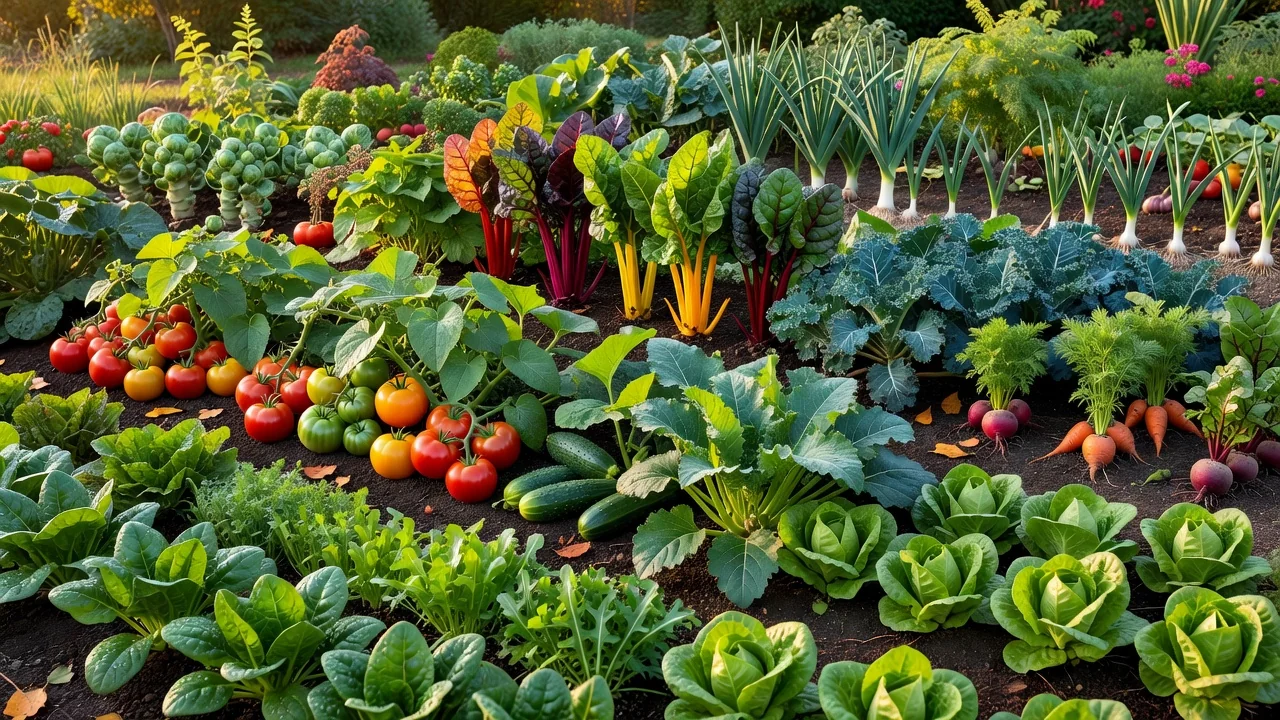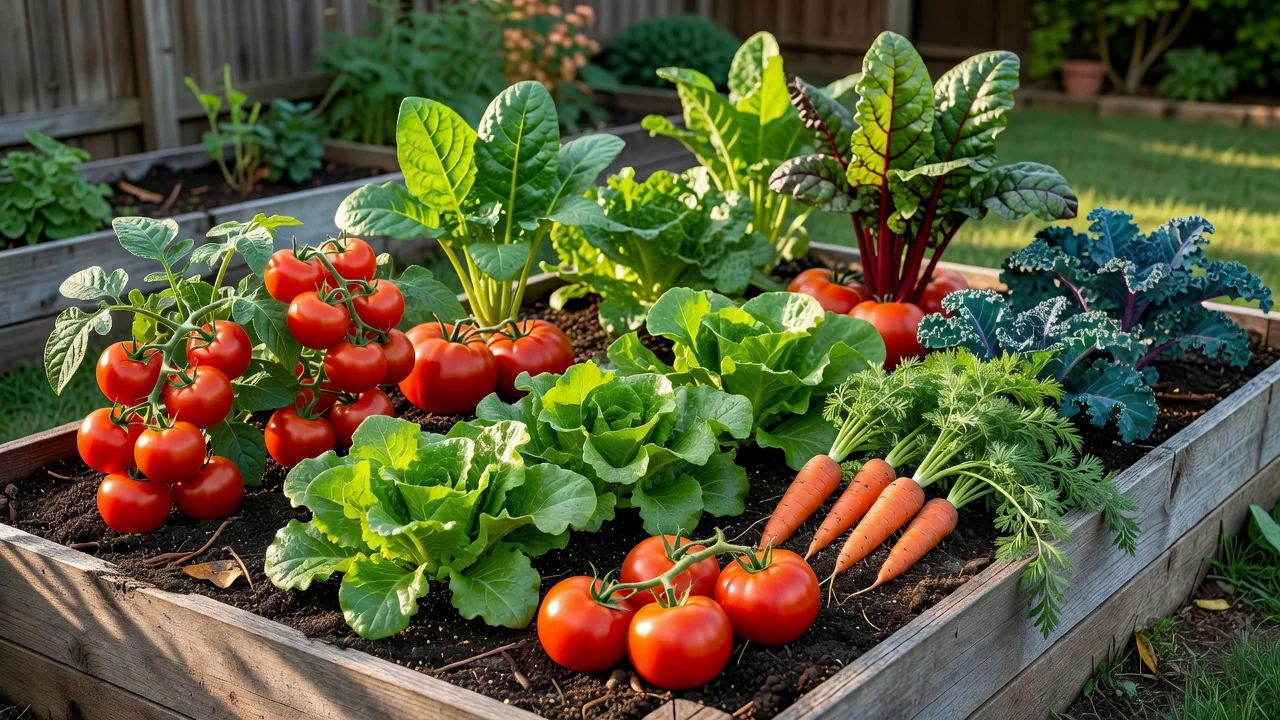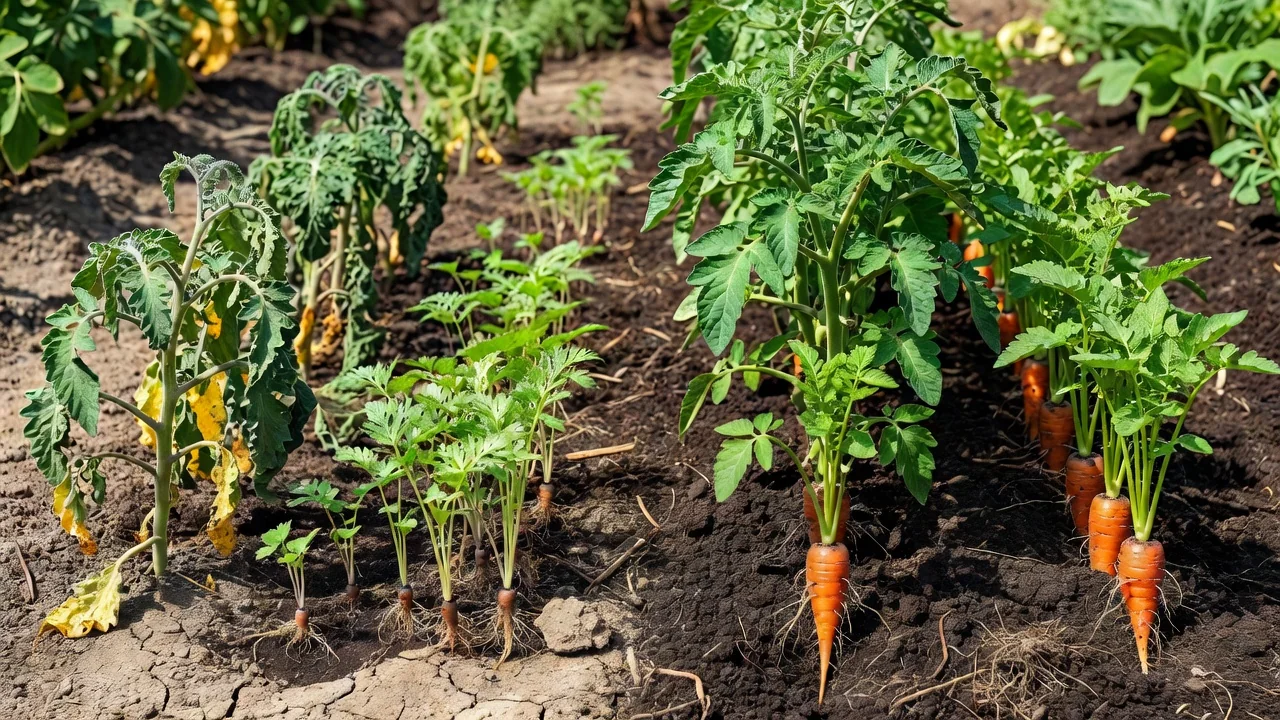
Did you know that some vegetables can be harvested in as little as three weeks?
In today’s fast-paced world, growing your own food can seem daunting, yet it doesn’t have to be.
Imagine enjoying fresh, homegrown vegetables without the long wait—this article will explore 15 fast-growing vegetables you can harvest in just weeks, making it easier than ever to get started.
Whether you’re a seasoned gardener or just starting out, these quick-growing options will not only enrich your meals but also boost your gardening confidence.
We’ll delve into each vegetable’s growing conditions, tips for success, and how you can incorporate them into your garden plan.
For further insights, check out our guide on starting a vegetable garden and discover easy vegetables every beginner should grow at home.
Why Choose Fast-Growing Vegetables?
Fast-growing vegetables are an excellent choice for both novice and experienced gardeners. These plants provide the satisfaction of a quick yield, making gardening a rewarding experience.
For busy individuals or those who prefer immediate results, these vegetables can be harvested in just a few weeks.
This swift turnaround not only fulfills the desire to enjoy fresh produce but also encourages continuous gardening throughout the seasons.
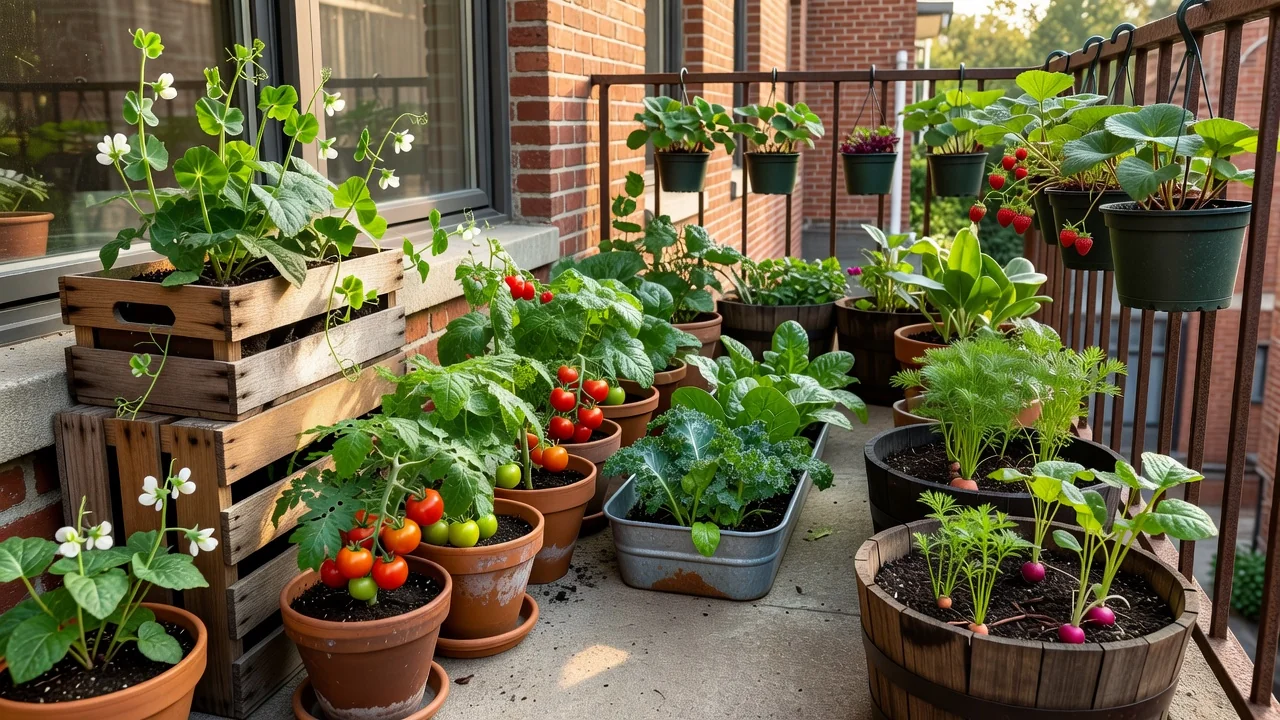
Moreover, fast-growing vegetables are ideal for small spaces and urban gardens.
With limited room available, it is essential to maximize every inch of soil.
Vegetables like radishes and lettuce can be planted in containers or small garden beds, allowing urban dwellers to cultivate their own food without needing vast farmland.
This adaptability makes them a popular choice for community gardens and personal balconies.
Additionally, these vegetables are perfect for beginner gardeners.
They require less time and effort to see results, which can be incredibly encouraging for those just starting their gardening journey.
Beginners can focus on learning essential gardening skills while enjoying the fruits of their labor.
For more detailed guidance, check out How to Start a Vegetable Garden: A Step-by-Step Guide for Beginners.
With fast-growing vegetables, new gardeners can build confidence and knowledge, paving the way for more complex gardening projects in the future.
In conclusion, choosing fast-growing vegetables not only enhances the gardening experience but also accommodates various lifestyles and spaces.
Their quick yield, adaptability, and beginner-friendly nature make them an excellent option for anyone looking to grow their own food.
Top 15 Fast-Growing Vegetables You Can Harvest
Growing your own vegetables is not only rewarding but can also be a quick process. Many gardeners seek out plants that can be harvested in a short time frame, allowing for fast results and multiple harvests in one growing season.
Here, we explore some of the top fast-growing vegetables that can be ready for your table within just a few weeks.
Radishes and Lettuce: Quick Turnaround Crops
One of the fastest vegetables you can grow is the radish, which can be ready for harvest in as little as three weeks from sowing.
Radishes thrive in cool weather and can be planted in early spring or fall.
Their rapid growth makes them an excellent choice for gardeners looking to see results quickly.
Plus, with a variety of types available, such as the classic red globe or the more unique black radish, you can enjoy different flavors and textures.
In addition to radishes, lettuce is another fantastic option for quick harvests.
Depending on the variety, you can expect to enjoy fresh lettuce greens within four to six weeks.
Leafy greens like butterhead and looseleaf types grow particularly fast and can be harvested as baby greens or fully matured leaves.
They are not only versatile in the kitchen but also add freshness to meals.
For those interested in maximizing their garden space, consider interplanting radishes and lettuce.
This technique allows you to utilize the space effectively, as radishes mature quickly and can be harvested before the lettuce requires more room to grow.
Spinach and Green Beans: Nutrient-Rich Choices
Spinach is another fast-growing vegetable that thrives in cooler weather.
Typically, spinach can be harvested in four to six weeks after planting.
This leafy green is packed with nutrients and can be enjoyed in salads, smoothies, or cooked dishes.
Spinach is also a great option for succession planting, allowing you to sow seeds every few weeks for a continuous harvest throughout the growing season.
On the other hand, green beans are a popular choice among home gardeners due to their rapid growth and productivity.
Most varieties of green beans can be harvested within 50 to 60 days after planting, depending on conditions.
They are not only easy to grow but also provide a bountiful yield, making them a staple in many vegetable gardens.
Consider growing bush varieties if you have limited space, as they require less support than pole beans.
In conclusion, growing fast-growing vegetables like radishes, lettuce, spinach, and green beans can enhance your gardening experience.
With the right planning, it’s possible to have a productive garden that delivers fresh produce within just weeks.
For more tips on starting your vegetable garden, check out our guide on How to Start a Vegetable Garden: A Step-by-Step Guide for Beginners and learn how to cultivate these quick-growing crops effectively.
Best Growing Practices for Fast-Growing Vegetables
Growing fast-growing vegetables requires specific techniques to ensure a bountiful harvest. One of the most essential aspects is soil preparation.
Before planting, it’s crucial to enrich your soil with organic matter, such as compost.
This not only improves soil structure but also enhances nutrient availability, fostering rapid growth.
For instance, a well-prepared soil can boost the growth of vegetables like radishes and lettuce, which thrive in nutrient-rich environments.
Another key factor is watering techniques.
Fast-growing vegetables need consistent moisture to thrive.
Drip irrigation or soaker hoses are ideal as they provide a steady supply of water directly to the roots, minimizing evaporation.
Additionally, watering in the early morning helps prevent disease and promotes healthy growth.
For example, cucumbers and squash benefit significantly from regular watering, leading to quicker and more abundant yields.
Moreover, companion planting can offer significant advantages.
This technique involves planting compatible vegetables together to enhance growth and deter pests.
For example, planting basil alongside tomatoes can improve tomato flavor while repelling harmful insects.
Utilizing companion planting not only maximizes space but also fosters a healthier garden ecosystem.
By implementing these best practices, gardeners can ensure that their fast-growing vegetables reach their full potential.
For more insights on starting a vegetable garden, check out How to Start a Vegetable Garden: A Step-by-Step Guide for Beginners.
Harvesting and Storing Fast-Growing Vegetables
Understanding when and how to harvest your fast-growing vegetables is crucial for maximizing their flavor and nutritional value.
First, recognizing the signs of readiness for harvest is essential.
For many fast-growing vegetables, such as radishes and leafy greens, you can often tell they are ready when they reach a certain size or color.
For example, radishes typically take about three to four weeks to mature, and they should be about the size of a golf ball when harvested.
Similarly, leafy greens like spinach should be harvested when the leaves are vibrant and tender, typically around 4 to 6 weeks after planting.
Next, employing proper techniques for harvesting is vital to avoid damaging your plants.
For root vegetables, gently loosen the soil around the base before pulling them out to prevent breakage.
With leafy greens, use a sharp knife or scissors to snip the leaves, allowing the plant to continue growing.
This method not only provides a fresh harvest but also encourages further growth.
Finally, once harvested, proper storage is critical to prolong freshness.
Most fast-growing vegetables can be stored in the refrigerator.
For instance, wrap leafy greens in a damp paper towel and place them in a sealed container to keep them crisp.
Additionally, root vegetables like carrots can be stored in a cool, dark place, preferably in a perforated bag to maintain humidity.
For more gardening tips, consider checking out How to Start a Vegetable Garden: A Step-by-Step Guide for Beginners.
By following these guidelines for harvesting and storing your vegetables, you can ensure a bountiful and delicious yield from your garden.
Conclusion
Throughout this article, we have delved into the incredible potential of 15 fast-growing vegetables you can harvest in just weeks.
By choosing these varieties, you not only ensure a bountiful harvest but also enjoy the satisfaction of cultivating your own food in a fraction of the time.
Now is the time to take action: start your garden today with these fast-growing vegetables and experience the joy of fresh produce in no time.
Embrace the journey of gardening, and remember: the sooner you plant, the sooner you reap the rewards!