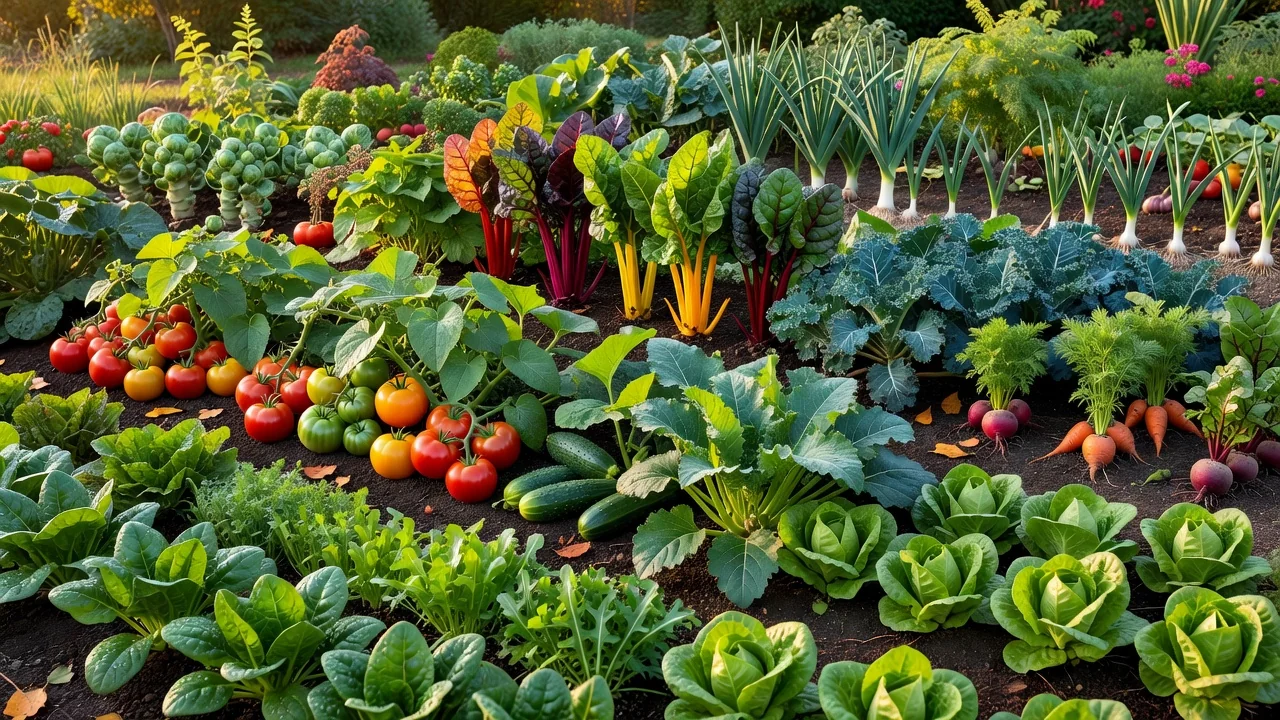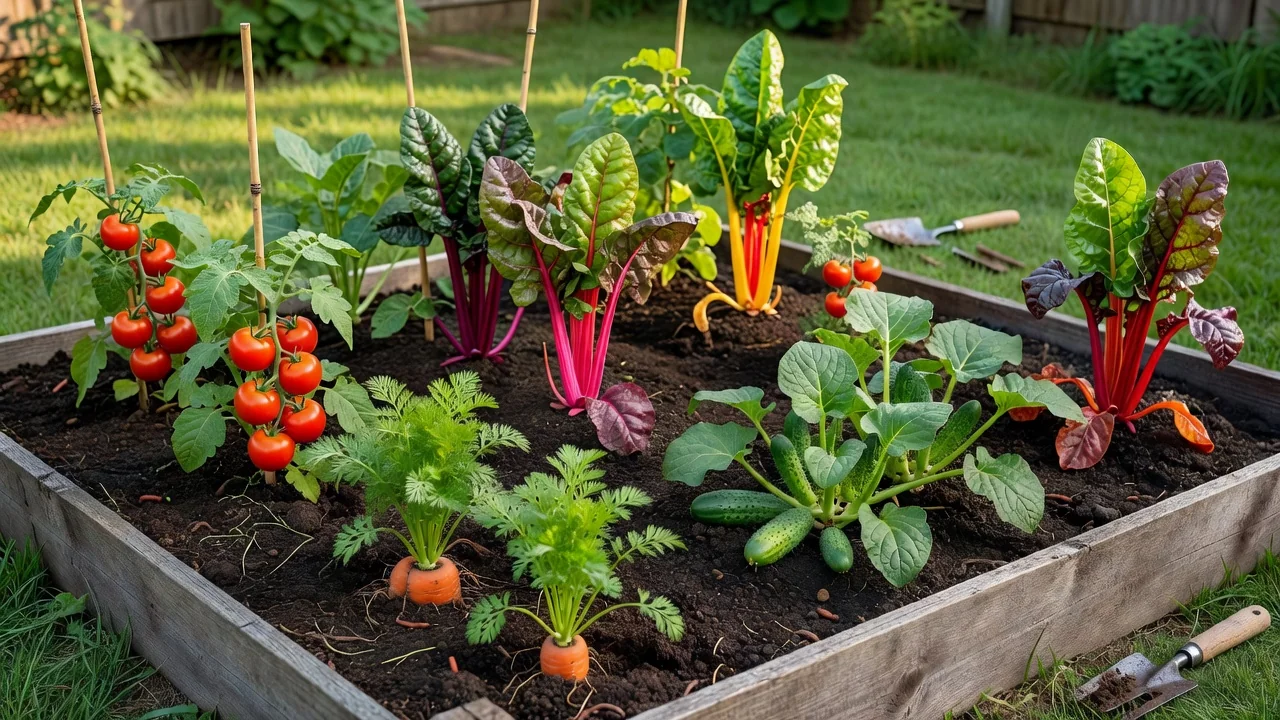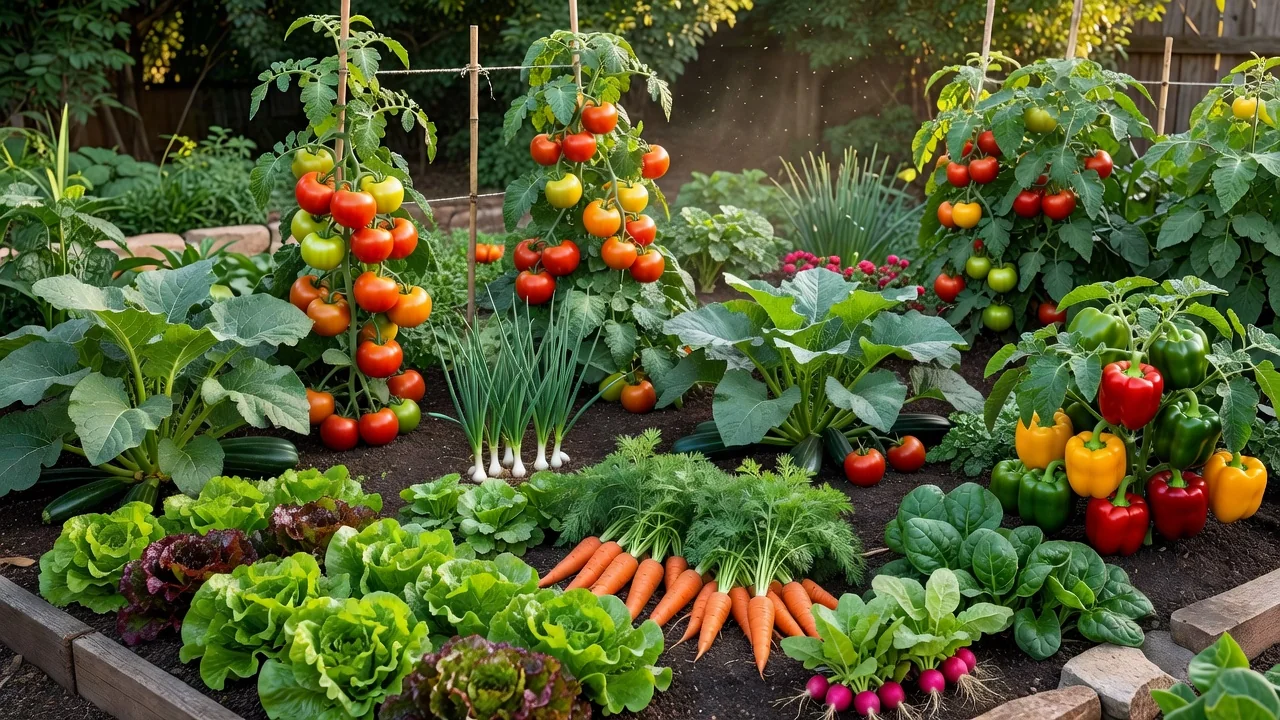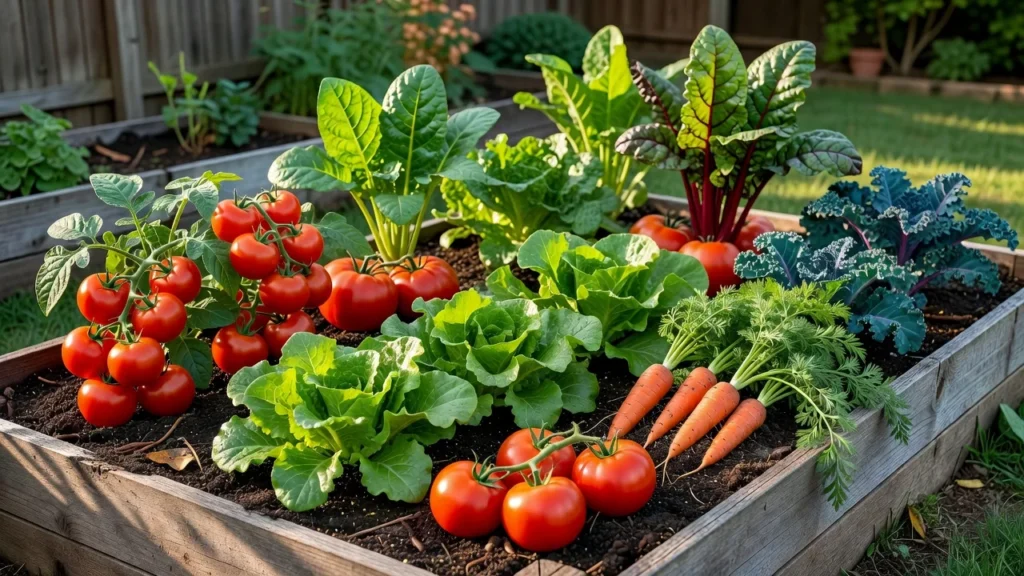
Did you know that growing your own vegetables can save you up to 30% on grocery bills?
This statistic highlights the incredible benefits of home gardening, especially when utilizing raised garden beds.
In this article, we’ll explore the best vegetables to grow in raised garden beds, providing you with insights to maximize your gardening success.
Whether you’re a seasoned gardener or just starting out, understanding which vegetables thrive in this environment is crucial for a bountiful harvest.
Get ready to discover not only the top choices for your garden but also tips on how to cultivate them effectively!
Why Choose Raised Garden Beds for Vegetables
Raised garden beds offer numerous advantages for growing vegetables. One of the primary benefits is improved soil drainage and quality.
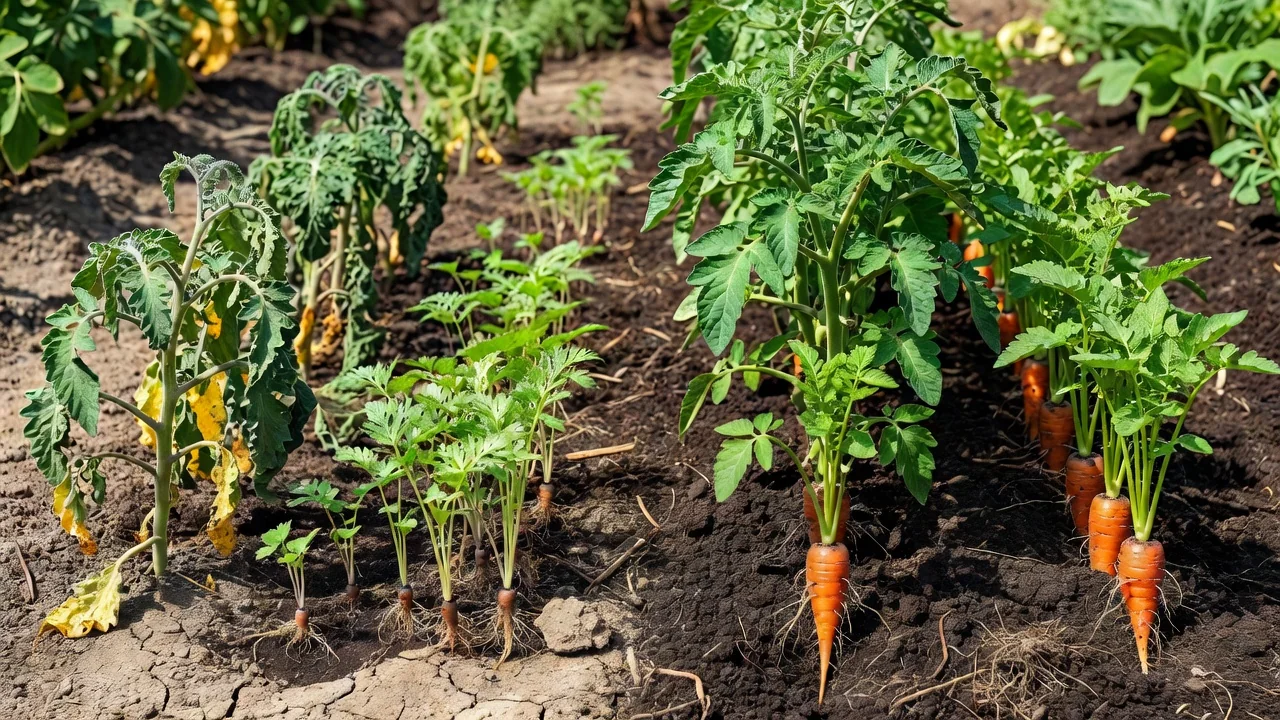
In traditional gardens, soil can become compacted, leading to poor drainage.
However, raised beds allow for better water flow, preventing waterlogging and ensuring that your plants receive the right amount of moisture.
This is especially important for root vegetables like carrots and potatoes, which thrive in well-drained soil.
Another significant advantage is the easier access for planting and maintenance.
Raised beds typically stand at a height that reduces the need to bend over, making it comfortable for gardeners of all ages.
This ergonomic design not only makes planting and weeding simpler but also minimizes soil compaction, which is vital for healthy vegetable growth.
Additionally, raised garden beds can extend the growing season.
The soil in these beds warms up faster in the spring, allowing for earlier planting.
Furthermore, adding protective covers can help shield plants from frost, thereby prolonging the harvest period.
For instance, if you are interested in fast-growing vegetables, raised beds can give you a head start.
Lastly, raised beds can aid in pest management.
By elevating the garden, you can create a barrier against certain pests.
This height can deter pests like slugs and snails, which often struggle to climb.
Combining these benefits, raised garden beds present a practical solution for any vegetable gardener looking to optimize their garden space.
Top 5 Easy Vegetables to Grow in Raised Garden Beds
Growing your own vegetables can be a rewarding experience. Raised garden beds are particularly beneficial as they provide better drainage, improved soil quality, and easier access for maintenance.
Here, we will explore five of the easiest vegetables to cultivate in raised garden beds, ensuring that both novice and experienced gardeners can reap the rewards of a bountiful harvest.
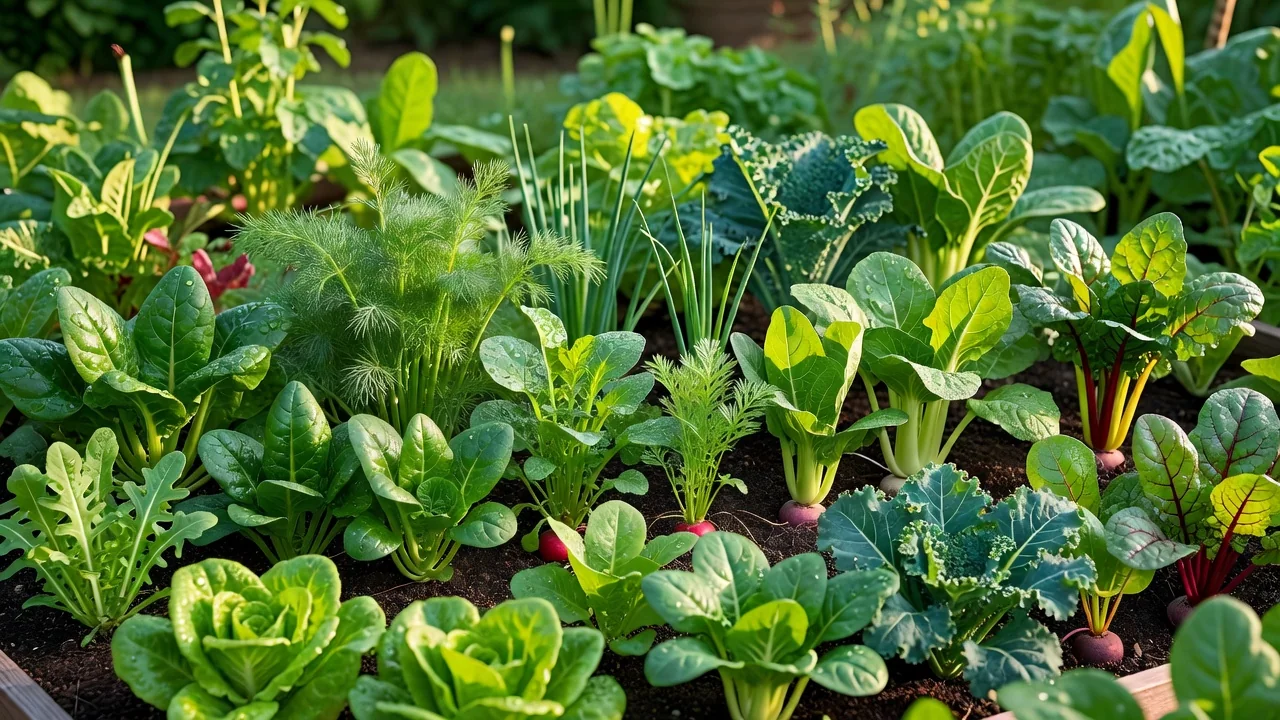
Lettuce is an excellent choice for raised beds due to its rapid growth cycle and minimal space requirements.
Typically, lettuce can be harvested within just 30 days after planting.
This leafy green thrives in cooler temperatures, making it perfect for early spring and fall gardening.
With various varieties available, such as romaine and butterhead, gardeners can enjoy a diverse range of flavors and textures.
Radishes are another fantastic
Radishes are another fantastic option, known for their quick maturation—often ready to harvest in as little as three to four weeks.
Their compact size allows for high-density planting, making them ideal for raised beds.
Additionally, radishes can help break up compacted soil, improving overall soil health for future plantings.
Carrots thrive in deep, loose soil, making raised beds an ideal environment.
They take a bit longer to mature, typically around 60 to 80 days, but the reward is sweet and flavorful roots.
Carrots can be sown directly into the soil, and with proper spacing, they’ll flourish beautifully.
Tomatoes are perhaps the
Tomatoes are perhaps the most versatile and rewarding vegetables to grow in raised beds.
With plenty of sunlight and support, such as cages or stakes, tomatoes can produce a prolific harvest.
They require a bit more care, including regular watering and fertilization, but the satisfaction of enjoying homegrown tomatoes is unparalleled.
Finally, zucchini is known for its high yield and low maintenance.
This prolific plant can produce an abundance of fruit in a short time, often outpacing the gardener’s ability to consume it.
Zucchini thrives in warm weather and can be planted directly into raised beds once the danger of frost has passed.
In conclusion, these five vegetables—lettuce, radishes, carrots, tomatoes, and zucchini—are not only easy to grow in raised garden beds, but they also provide a delicious and nutritious bounty.
For those looking to dive deeper into gardening, check out 15 Fast-Growing Vegetables You Can Harvest in Just Weeks for more options!
Companion Planting for Raised Garden Beds
Companion planting is a gardening strategy that enhances the growth and yield of vegetables. By pairing certain plants together, gardeners can create a balanced ecosystem that promotes healthy growth.
For instance, planting tomatoes alongside basil not only improves the flavor of the tomatoes but also helps to repel pests like aphids.
Moreover, natural pest control is achieved through beneficial pairings. Marigolds, for example, are known to deter nematodes and other harmful insects when planted near vegetables like carrots and cucumbers.
This method reduces the need for chemical pesticides, making it a more sustainable gardening practice.
Additionally, companion planting improves nutrient uptake and soil health.
Certain plants, such as beans, are known to fix nitrogen in the soil, benefiting neighboring plants like corn and squash that require higher nitrogen levels.
This symbiotic relationship enhances the overall productivity of raised garden beds.
In conclusion, employing companion planting in raised garden beds not only maximizes space but also ensures healthier plants and a more bountiful harvest.
For more tips on getting started, check out How to Start a Vegetable Garden: A Step-by-Step Guide for Beginners.
Soil Preparation and Maintenance for Raised Beds
Proper soil preparation is essential for achieving optimal growth in raised garden beds.
The right soil mix not only provides essential nutrients but also ensures adequate drainage and aeration.
A recommended mix includes equal parts of topsoil, compost, and peat moss.
This combination allows for a nutrient-rich foundation while maintaining moisture retention, which is crucial for growing vegetables effectively.
In addition to selecting the right soil mix, regular soil testing is crucial for maintaining soil health.
Testing your soil’s pH and nutrient levels can help you determine what amendments are necessary.
For instance, if your soil is too acidic, adding lime can help raise the pH, while sulfur can lower it if the soil is too alkaline.
This proactive approach can lead to healthier plants and better yields.
Furthermore, implementing best practices for mulching and watering can significantly enhance your garden’s productivity.
Applying a layer of organic mulch around your plants helps retain moisture, suppress weeds, and gradually enrich the soil as it decomposes.
Moreover, consistent watering is vital, particularly during dry spells; ensuring your raised beds receive about an inch of water per week is generally recommended.
For more beginner-friendly tips on starting your vegetable garden, check out How to Start a Vegetable Garden: A Step-by-Step Guide for Beginners.
In conclusion, by focusing on soil preparation and maintenance, you can create a thriving environment for your vegetables.
Remember, the quality of your soil directly impacts the success of your raised garden beds.
Seasonal Planting Guide for Raised Garden Beds
Understanding the seasonal planting schedule is crucial for maximizing the yield in your raised garden beds. Each season offers unique opportunities to grow various vegetables that thrive under specific temperature conditions.
In spring, cool-season crops such as peas and spinach can be planted.
These vegetables prefer the cooler temperatures of early spring and can be sown as soon as the soil is workable.
Peas, for example, are not only easy to grow but also add nitrogen to the soil, making them beneficial for future crops.
As the weather warms up, the focus shifts to summer planting.
This is the ideal time to introduce warm-season vegetables like peppers and corn.
These plants thrive in the heat and require full sun exposure.
Corn, in particular, is a great choice for raised beds due to its height, which allows for efficient space utilization.
Finally, in the fall, consider planting late crops such as kale and garlic.
Kale is a hardy green that can withstand frost, making it perfect for fall planting.
Garlic, on the other hand, is typically planted in the fall for a summer harvest, allowing the bulbs to develop fully.
By following this seasonal planting guide, gardeners can ensure a continuous supply of fresh vegetables throughout the year.
Each season brings its own set of challenges and rewards, making it essential to plan accordingly.
For more insights on quick yields, check out 15 Fast-Growing Vegetables You Can Harvest in Just Weeks.
Conclusion
Throughout this article, we have explored the best vegetables to grow in raised garden beds.
With the right knowledge, you can cultivate a vibrant and productive garden that not only enhances your meals but also brings joy to your gardening experience.
Now is the time to take action: start planning your raised garden bed today and choose from the array of vegetables we discussed.
Imagine the satisfaction of harvesting fresh produce right from your backyard!