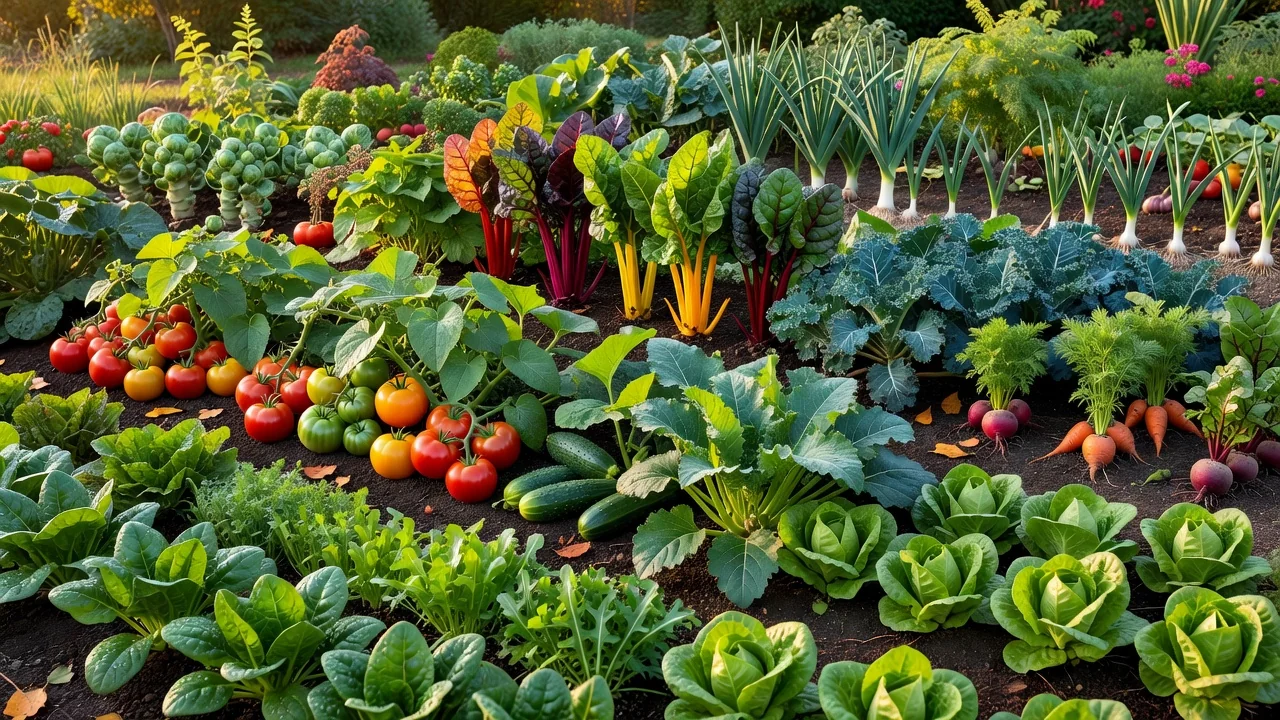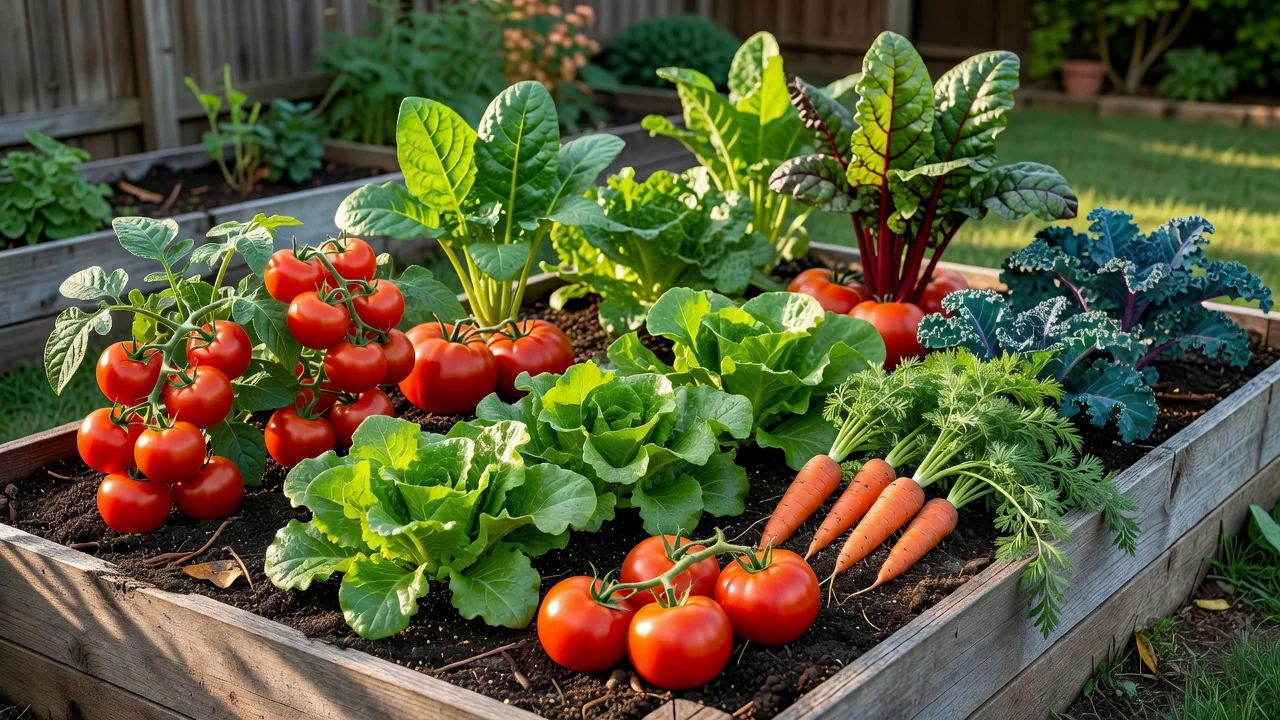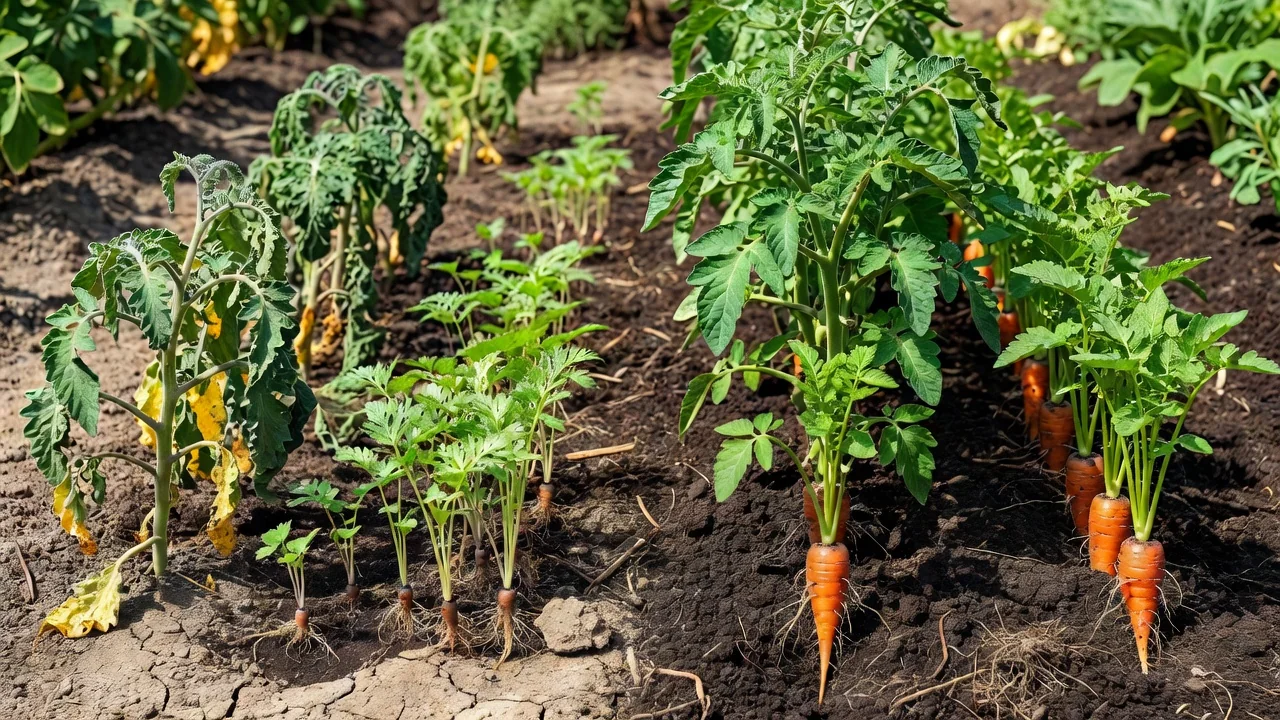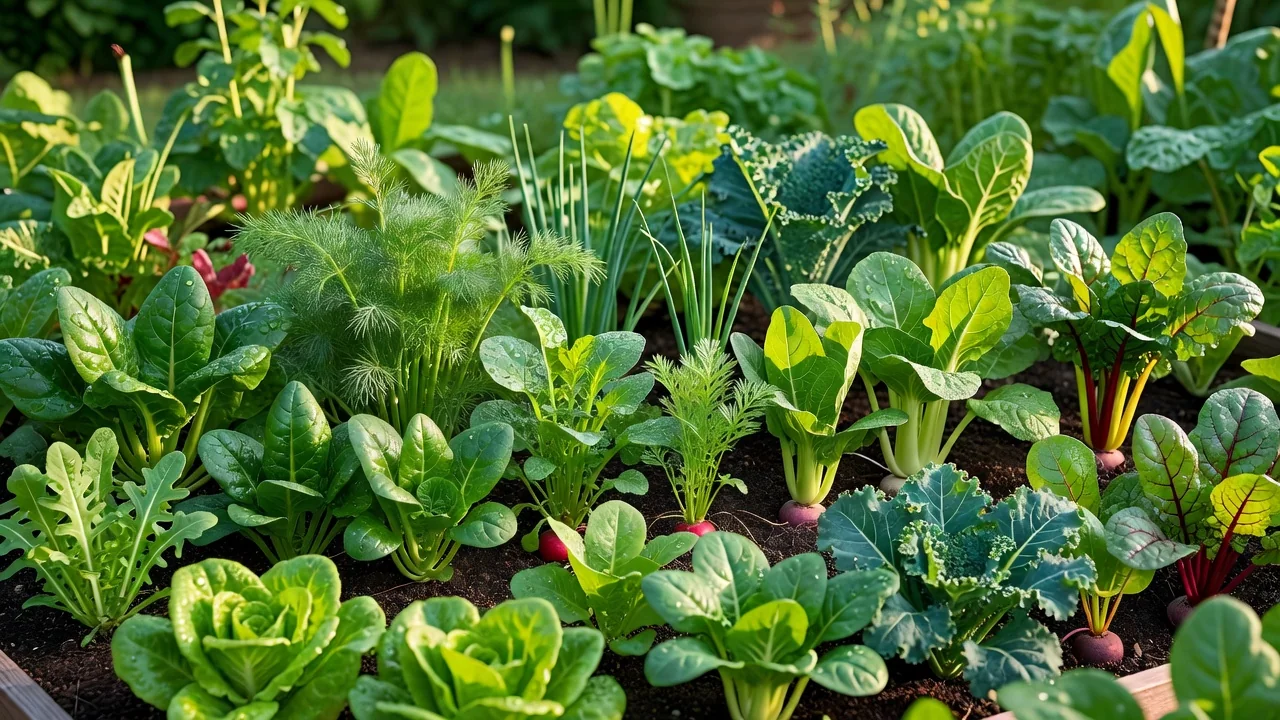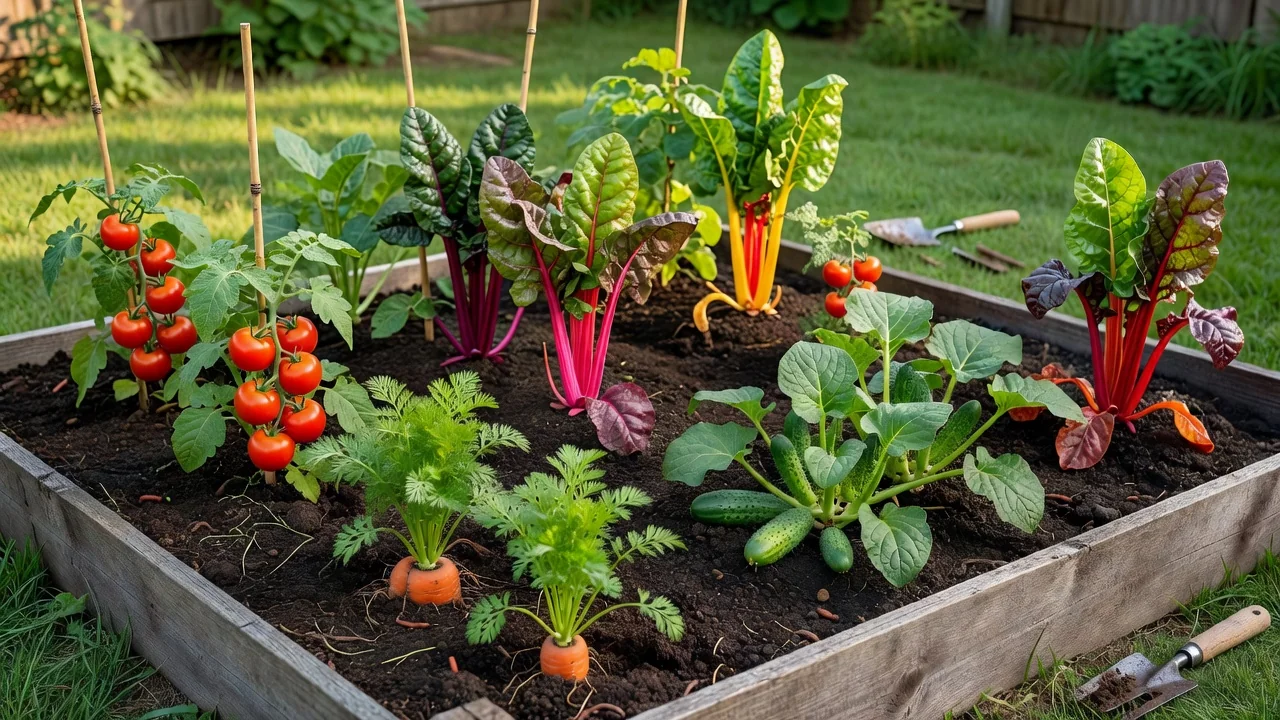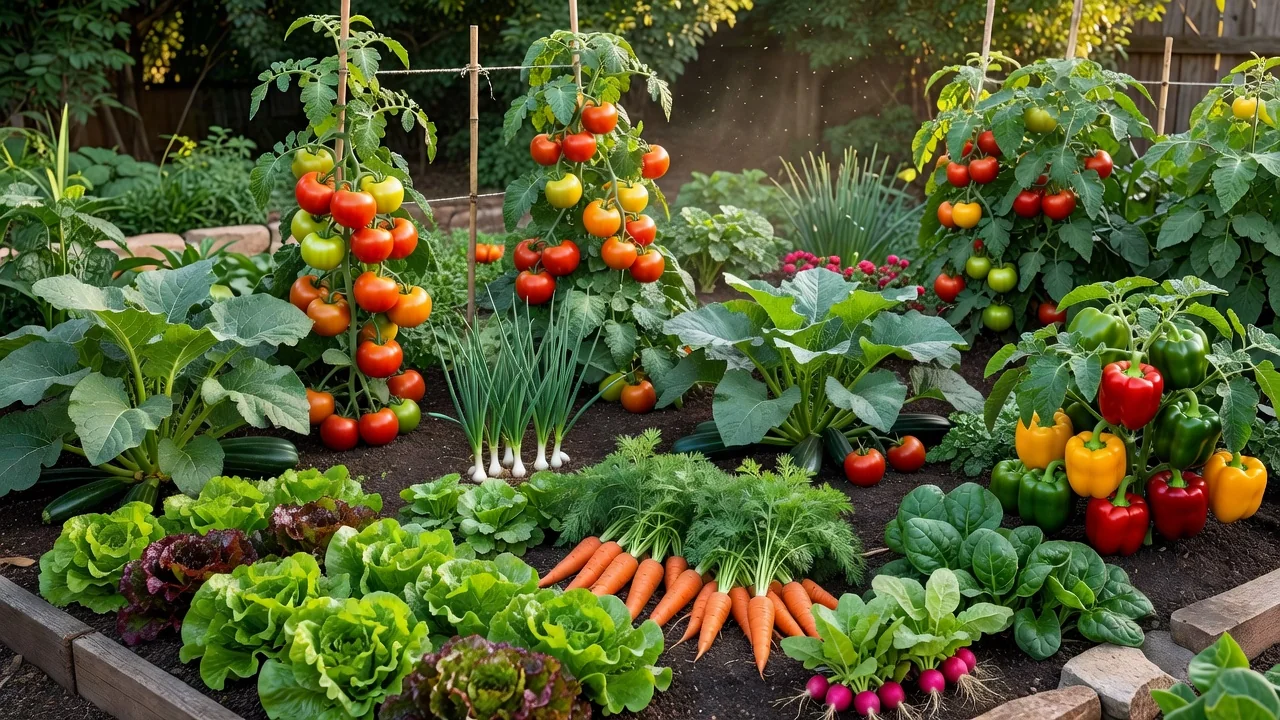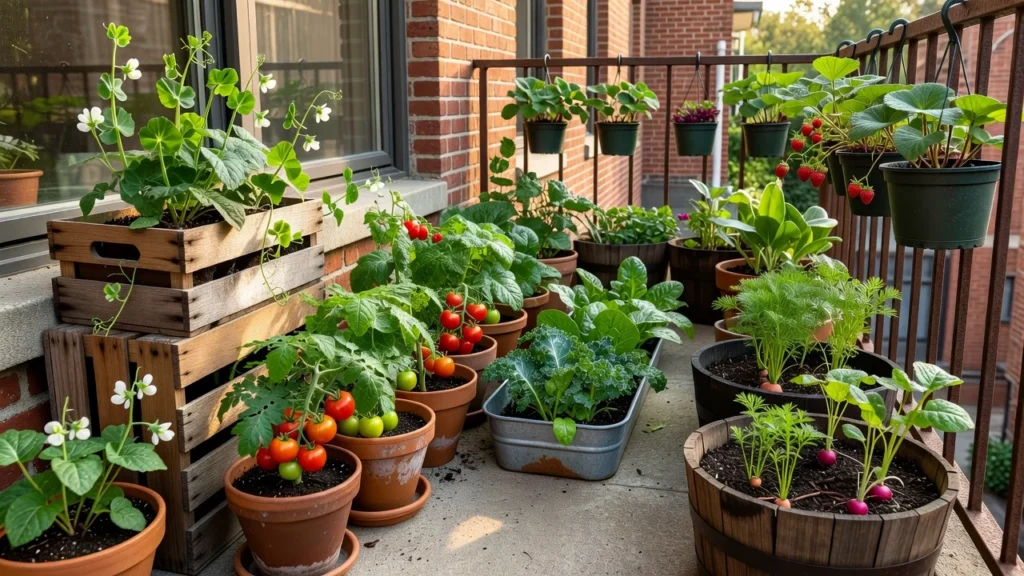
Did you know that 43% of Americans are now growing food at home?
This statistic highlights a growing trend towards self-sustainability and health consciousness.
In this article, you will learn how to grow fresh vegetables in small spaces, making it possible for everyone, even those in apartments or homes with limited yard space, to enjoy homegrown produce.
Understanding the importance of growing vegetables in containers not only enhances your culinary experience but also contributes to a more sustainable lifestyle.
We’ll explore essential tips for small space gardening, including the best vegetables to grow and innovative container ideas, so you can maximize your yield.
Understanding the Basics of Small Space Gardening
Small space gardening refers to the practice of growing plants in limited areas, such as balconies, patios, or small yards.
This approach is becoming increasingly popular as urban living expands and more people seek to cultivate fresh vegetables at home.
One of the key benefits of small space gardening is the ability to produce fresh, organic vegetables right at your doorstep.
Not only does this provide access to healthier food options, but it also reduces the carbon footprint associated with transporting produce.
For example, even in a tiny apartment, you can grow herbs or leafy greens in pots or vertical gardens, making it a feasible option for anyone, regardless of their living situation.
Moreover, small space gardening encourages creativity in utilizing every inch of available space.
Using containers, hanging pots, and even repurposing items like old crates or buckets can maximize your gardening potential.
Additionally, understanding suitable environments for gardening, such as ensuring adequate sunlight and proper drainage, is crucial.
Consider exploring 10 easy vegetables every beginner should grow at home for inspiration.
In conclusion, small space gardening is an accessible and rewarding way to enjoy fresh vegetables.
With careful planning and creativity, anyone can transform their limited area into a flourishing garden.
Choosing the Right Vegetables for Small Spaces
Selecting the right vegetables is crucial when gardening in small spaces.
Not all vegetables thrive in confined areas; hence, understanding which types are best suited can significantly impact your success.
Container gardening is an excellent option, allowing you to maximize limited space while enjoying fresh produce.
Some of the top vegetables suitable for container gardening include lettuce, radishes, and dwarf varieties of tomatoes.
These plants typically have shallow root systems, making them ideal for pots and small garden beds.
For instance, lettuce can be planted closely together, allowing for a bountiful harvest even in limited square footage.
Moreover, if you’re looking for a quick return on your investment, consider fast-growing options.
Vegetables like radishes and baby greens can be harvested in just a few weeks.
According to gardening experts, radishes can mature in as little as 25 days, making them perfect for impatient gardeners.
You can explore more about these vegetables in our article on 15 Fast-Growing Vegetables You Can Harvest in Just Weeks.
Additionally, it’s vital to consider seasonal planting.
Timing your planting according to the seasons can yield better results.
For example, cool-season crops such as spinach and peas thrive in early spring or fall, while warm-season crops like peppers and cucumbers should be planted after the last frost.
By planning according to the seasons, you can ensure a continuous supply of fresh vegetables.
In conclusion, choosing the right vegetables tailored for small spaces is fundamental to a successful garden.
With careful selection and planning, even the tiniest of spaces can yield fruitful results.
Essential Tips for Growing Vegetables in Containers
Growing vegetables in containers can be a rewarding experience. Not only does it allow you to maximize limited space, but it also provides flexibility in terms of location.
However, there are specific strategies you need to consider to ensure your plants thrive.
First and foremost, choosing
First and foremost, choosing the right containers and soil is crucial.
Opt for containers that have good drainage holes to prevent overwatering, as this can lead to root rot.
Materials such as clay, ceramic, or plastic can all work well, but ensure they are large enough for the vegetables you intend to grow.
For instance, deep-rooted vegetables like carrots require more depth than shallow-rooted varieties such as lettuce.
Additionally, using high-quality potting soil designed for container gardening is essential.
This type of soil retains moisture while allowing adequate drainage, providing the perfect environment for your vegetables.
Next, watering and fertilization
Next, watering and fertilization strategies play a pivotal role in the success of container gardening.
Containers tend to dry out faster than garden beds, so you may need to water your plants daily, especially during hot weather.
A good rule of thumb is to check the soil moisture regularly.
When it comes to fertilizing, using a slow-release organic fertilizer can provide necessary nutrients over time, but be sure to supplement with liquid fertilizers every few weeks for optimal growth.
Finally, understanding light requirements for different vegetables is essential.
Most vegetables require at least 6-8 hours of sunlight daily.
For instance, tomatoes and peppers thrive in full sun, while leafy greens like spinach can tolerate partial shade.
Position your containers accordingly to ensure they receive adequate sunlight throughout the day.
For further insights, consider exploring easy vegetables that are ideal for container gardening.
In conclusion, by focusing on container selection, proper watering, and light requirements, you can successfully grow fresh vegetables even in small spaces.
These tips will not only enhance your gardening experience but also lead to a bountiful harvest.
Urban Gardening Techniques for Small Spaces
Urban gardening offers innovative solutions for growing fresh vegetables in limited spaces.
Techniques such as hydroponics and aquaponics are gaining popularity due to their efficiency and minimal space requirements.
Hydroponics involves growing plants in a nutrient-rich water solution without soil.
This method allows for faster growth and higher yields, making it ideal for urban environments.
For instance, a hydroponic system can be set up in a small balcony or even indoors, utilizing vertical space to maximize production.
Many urban gardeners have reported a significant increase in their vegetable harvests, with some achieving a 30% greater yield compared to traditional soil gardening.
Another effective approach is
Another effective approach is aquaponics, which combines aquaculture (raising fish) with hydroponics.
In this system, fish waste provides nutrients for the plants, while the plants help filter the water for the fish.
This sustainable cycle is perfect for small spaces and can be implemented in backyard setups or community gardens.
Additionally, community gardens serve as excellent resources for urban dwellers.
They not only provide access to gardening space but also foster community engagement.
Joining or starting a community garden can help individuals learn about growing vegetables while connecting with neighbors.
For more guidance on starting your own garden, check out How to Start a Vegetable Garden: A Step-by-Step Guide for Beginners.
Utilizing rooftop gardens effectively
Utilizing rooftop gardens effectively is another technique gaining traction.
Rooftops can be transformed into lush gardens, offering not only fresh produce but also a cooling effect for buildings.
By implementing raised beds or container gardens on rooftops, urban gardeners can cultivate a variety of vegetables while enjoying the benefits of gardening in an unconventional space.
In conclusion, urban gardening techniques such as hydroponics, aquaponics, and community gardening provide fantastic opportunities for growing fresh vegetables in small spaces.
These methods not only optimize space but also promote sustainability and community interaction.
Harvesting and Enjoying Your Homegrown Vegetables
Harvesting your homegrown vegetables is one of the most rewarding experiences. It not only signifies the culmination of your hard work but also allows you to enjoy the freshest produce possible.
To ensure that you harvest at the right time, it’s essential to know the signs of ripeness for each type of vegetable.
For instance, tomatoes should be fully colored and slightly soft to the touch, while bell peppers are best harvested when they reach their desired color.
Once you’ve harvested your vegetables, proper storage is crucial to maintain their freshness.
Most leafy greens can be stored in the refrigerator, wrapped in a damp paper towel to keep them crisp.
Additionally, root vegetables like carrots and beets can be stored in a cool, dark place.
If you have an abundance of produce, consider preserving them through methods such as canning, freezing, or dehydrating.
For instance, you can freeze excess green beans or make homemade pickles from cucumbers.
Finally, utilizing your fresh vegetables in recipes can be a delightful experience.
Consider making a simple salad with mixed greens, cherry tomatoes, and cucumbers, dressed with olive oil and vinegar.
For more ideas on quick-to-harvest vegetables, check out 15 Fast-Growing Vegetables You Can Harvest in Just Weeks.
Embracing your harvest not only promotes healthy eating but also enhances your cooking skills.
In conclusion, the process of harvesting and enjoying your vegetables is immensely gratifying.
By mastering the techniques for harvesting, storing, and preparing your homegrown produce, you can make the most of your gardening efforts.
Conclusion
Throughout this article, we’ve delved into the essentials of how to grow fresh vegetables in small spaces.
Armed with practical tips and techniques, you can transform even the tiniest corners of your home into thriving gardens.
Your next step: Start your small space gardening journey today by selecting your favorite vegetables and creating a simple container garden.
Remember, the joy of harvesting your own fresh produce is just a few seeds away!