Did you know that 70% of indoor plants fail to thrive due to common mistakes?
This shocking statistic highlights a widespread issue among plant enthusiasts and casual caretakers alike.
In today’s fast-paced world, nurturing indoor plants is not just a hobby; it’s a way to bring a touch of nature into our living spaces.
Understanding why your indoor plants are dying is crucial for creating a peaceful and vibrant environment.
In this article, we will explore the reasons behind plant decline, share essential tips on how to save indoor plants, and equip you with the knowledge to keep your green friends healthy for years to come.
Understanding Why Your Indoor Plants Are Dying
Indoor plants bring life and beauty to our homes. However, many people struggle with keeping them healthy.
Understanding the reasons behind plant decline is crucial for any plant owner.
Lack of Sunlight: A Primary Factor
One of the most common reasons why indoor plants suffer is insufficient sunlight.
Most houseplants thrive in bright, indirect light.
When they don’t receive adequate light, they may exhibit signs of stress, such as yellowing leaves or stunted growth.
For instance, a popular indoor plant like the pothos can become leggy and lose its vibrant color if placed in a dimly lit corner.
To remedy this, consider relocating your plants to a brighter spot or using grow lights if natural sunlight is limited.
Additionally, it’s important to research the specific light requirements of each plant species.
For example, 10 Low-Light Indoor Plants Perfect for Apartments can guide you in selecting the right plants for less sunny environments.
By ensuring your plants receive the proper amount of light, you can significantly enhance their health.
Overwatering: The Silent Killer
Another major culprit in the decline of indoor plants is overwatering.
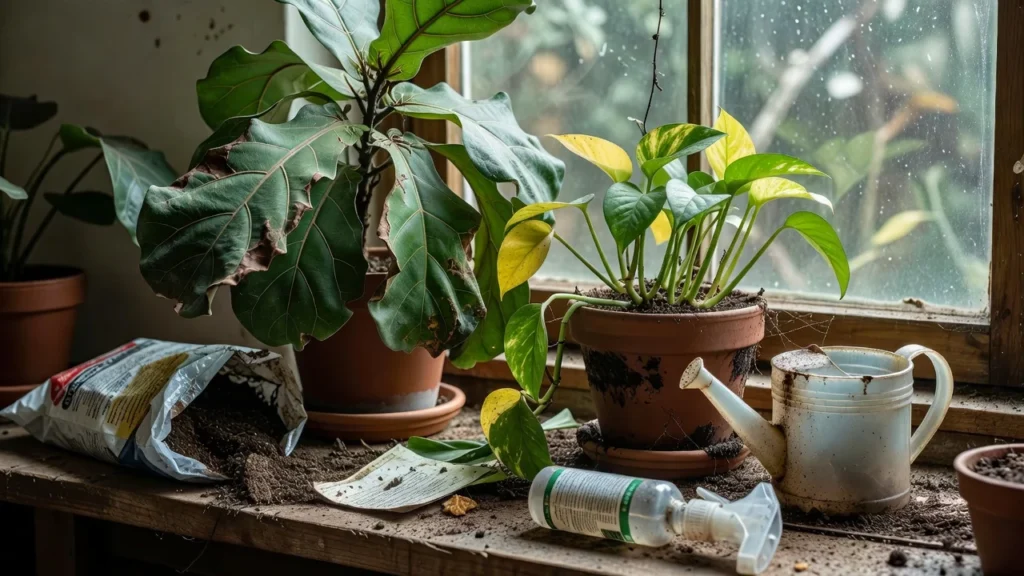
While it may seem beneficial to provide plenty of water, excessive moisture can lead to root rot, a condition that can be fatal for plants.
Roots need oxygen to thrive, and when they sit in waterlogged soil, they can suffocate and decay.
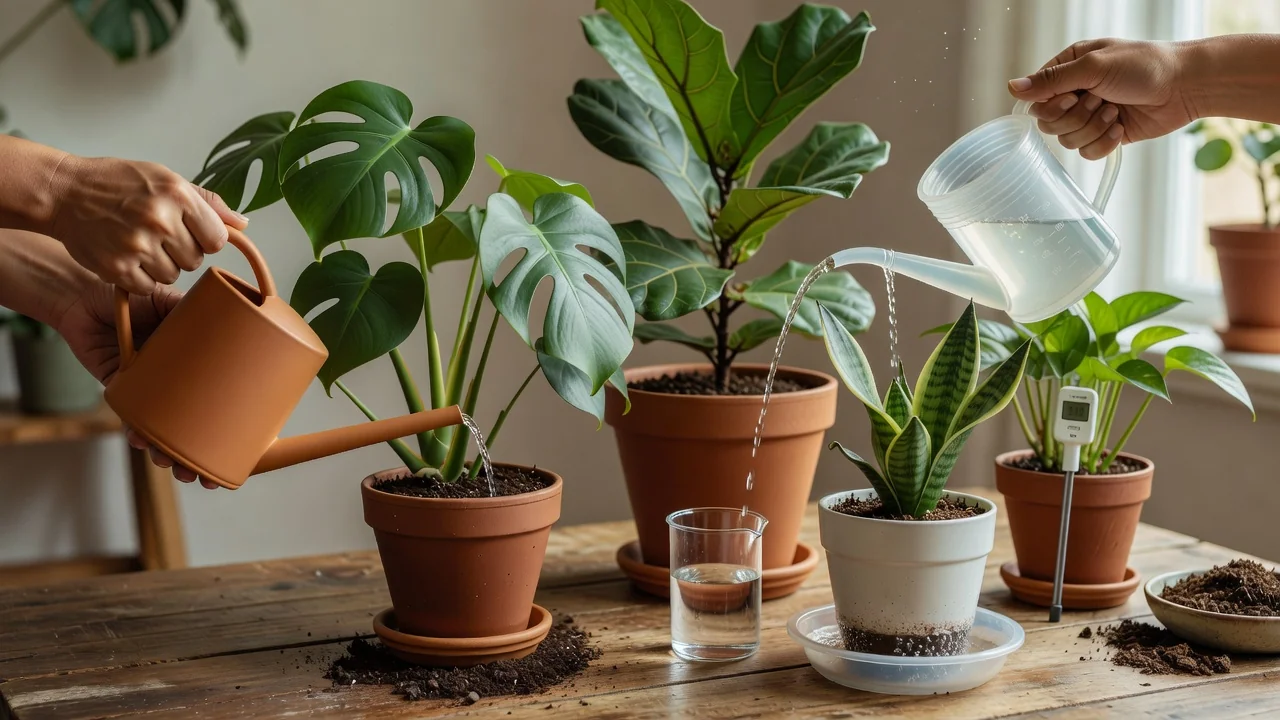
To prevent overwatering, always check the soil moisture before watering.
A good rule of thumb is to allow the top inch of soil to dry out before adding more water.
For example, a simple moisture meter can help you gauge when watering is necessary.
Additionally, consider the drainage of your pots; ensuring proper drainage can help maintain healthy roots.
If you suspect root rot, Why Your Plant Leaves Are Turning Yellow (And How to Fix It) provides insights into identifying and treating this issue.
By addressing these common problems—lack of sunlight and overwatering—you can take significant steps towards reviving your indoor plants and ensuring they flourish.
Identifying Common Indoor Plant Problems
Indoor plants can bring life and beauty to your home. However, various issues can arise, leading to plant stress and decline.
Understanding how to identify these common problems is crucial for maintaining a healthy indoor garden.
Leaf Drop and Stress Indicators
One of the most noticeable signs of distress in indoor plants is leaf drop.
This phenomenon can occur for several reasons, including overwatering, underwatering, or sudden changes in temperature.
For instance, if you recently moved your plant to a different location with fluctuating temperatures, it might drop leaves as a reaction to the stress.
Additionally, inadequate light can also lead to this issue.
Plants that do not receive enough light may shed their leaves to conserve energy.
To address this, ensure your plants are positioned in an appropriate light environment.
For those struggling with low-light conditions, consider exploring 10 low-light indoor plants perfect for apartments that thrive in such conditions.
Pest Infestations and Fungal Issues
Pest infestations can be subtle yet damaging to indoor plants.
Common pests such as spider mites, aphids, and mealybugs can go unnoticed until they cause significant harm.
Regularly inspect your plants for signs of pests, such as sticky residue or webbing.
If you notice any issues, act quickly with appropriate treatments, such as insecticidal soap or neem oil.
Moreover, fungal and bacterial infections are prevalent issues that often require immediate attention.
Symptoms may include leaf spots, wilting, or a white powdery substance on leaves.
In such cases, ensure proper air circulation and avoid overhead watering to reduce humidity around the plant.
Implementing these practices will help promote a healthier environment for your indoor plants.
In conclusion, identifying and addressing these common problems is essential to ensure your indoor plants thrive.
By being vigilant about leaf drop, pest infestations, and potential fungal issues, you can take proactive steps to keep your plants healthy and vibrant.
How to Save Your Indoor Plants
Adjusting Lighting Conditions
Lighting is crucial for the health of your indoor plants.
Many plants suffer when they do not receive adequate light.
Consequently, adjusting their location can make a significant difference.
For instance, if your plant is in a dimly lit corner, consider moving it closer to a window or to a room with better natural light.
Each plant species has its own lighting needs.
For example, succulents and cacti thrive in bright, direct sunlight, while ferns prefer indirect light.
Understanding these requirements ensures that your plants receive the right amount of illumination.
If natural light is limited, investing in grow lights can be an excellent alternative.
These lights mimic sunlight and can significantly boost plant growth.
Moreover, be aware of seasonal changes in light.
During winter months, the sun’s angle changes, potentially affecting how much light your plants receive. Regularly monitor your plants and adjust their positioning to ensure they are getting enough light throughout the year.
Implementing Proper Watering Practices
Another critical factor in saving your indoor plants is proper watering.
Overwatering is one of the most common problems faced by indoor gardeners.
It can lead to root rot and, ultimately, plant death.
To avoid this, ensure that you allow the top inch of soil to dry out before watering again.
Each plant has different watering needs, so familiarize yourself with the specific requirements of your plants.
In addition, consider the type of potting soil you are using.
Well-draining soil can help prevent excess moisture from accumulating.
Furthermore, using pots with drainage holes is essential to allow excess water to escape.
On the other hand, underwatering can also be detrimental.
Signs of underwatering include wilting leaves and dry soil.
Always check soil moisture levels regularly to maintain a healthy balance.
Lastly, incorporating a routine care regimen can keep your plants thriving.
By adjusting lighting and practicing proper watering, you can rejuvenate your indoor plants and prevent further issues.
Preventing Future Plant Problems
To ensure the longevity of your indoor plants, proactive measures are essential. Regularly checking for pests and diseases can significantly enhance your plants’ health.
For example, a close inspection of the leaves can reveal early signs of insect infestations, such as aphids or spider mites.
Identifying these pests early allows for timely intervention, which can save your plant from severe damage.
Additionally, fertilizing appropriately is crucial for promoting healthy growth.
Using a balanced fertilizer can provide necessary nutrients that indoor plants need to flourish.
For instance, during the growing season, a nitrogen-rich fertilizer can encourage lush foliage, while a phosphorus-heavy formula can support blooming plants.
It’s important to follow the manufacturer’s instructions to avoid over-fertilization, which can be detrimental.
Another effective strategy is to rotate your plants regularly.
This practice ensures that all sides of the plant receive even light exposure, preventing the phenomenon of leggy growth where one side becomes disproportionately tall.
For example, by rotating your plant every couple of weeks, you help it maintain a balanced form and encourage even growth.
In conclusion, implementing these preventive measures—regular pest inspections, proper fertilization, and plant rotation—will greatly enhance the resilience of your indoor plants.
By taking these steps, you not only protect your plants from potential issues but also foster a thriving indoor garden.
For further guidance on maintaining healthy plants, check out How to Keep Indoor Plants Healthy All Year Long.
Conclusion
Throughout this article, we delved into the reasons why your indoor plants are dying and how to save them.
With the insights you’ve gained, you are now empowered to take action and breathe new life into your green companions.
It’s time to implement your newfound knowledge: start assessing your plants today and make the necessary adjustments.
Your indoor oasis is within reach—nurture it and watch it thrive!