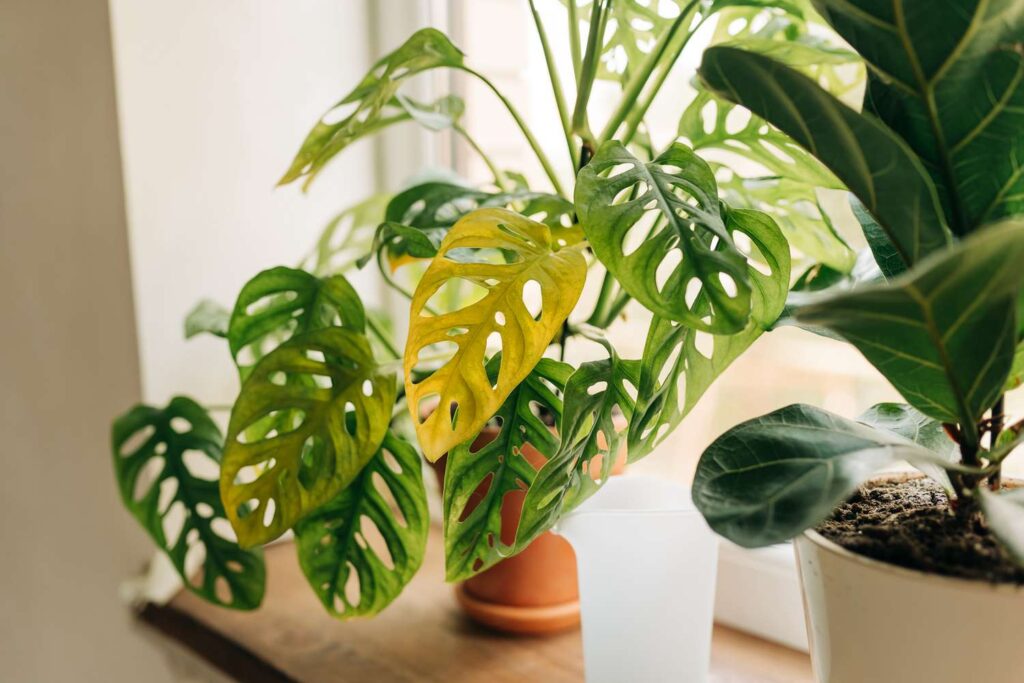
Have you ever wondered why your beloved plant leaves are turning yellow?
This common problem can be both alarming and perplexing for plant owners.
Understanding the reasons behind yellowing leaves is crucial, as it can indicate underlying issues that could harm your plants if left unaddressed.
In this article, we’ll explore the various causes of yellow leaves, from nutrient deficiencies to improper watering, and provide actionable solutions to help you restore your plants to their vibrant, healthy state.
So, let’s dive into the world of plant care and discover how to fix those yellowing leaves once and for all!
Understanding Why Your Plant Leaves Are Turning Yellow
Yellowing leaves can be a distressing sight for any plant enthusiast. While it’s a common issue, understanding the underlying reasons why this occurs is crucial for effective plant care.
Yellow leaves are often a signal from your plant, alerting you to potential problems in its environment or care regimen.
Common Environmental Factors Causing Yellowing Leaves
Several environmental factors can contribute to the yellowing of plant leaves.
One primary factor is light exposure.
Plants have specific light requirements, and insufficient light can lead to chlorosis, where leaves turn yellow due to a lack of chlorophyll.
For instance, a plant that thrives in bright, indirect sunlight may begin to show signs of yellowing if placed in a dimly lit room.
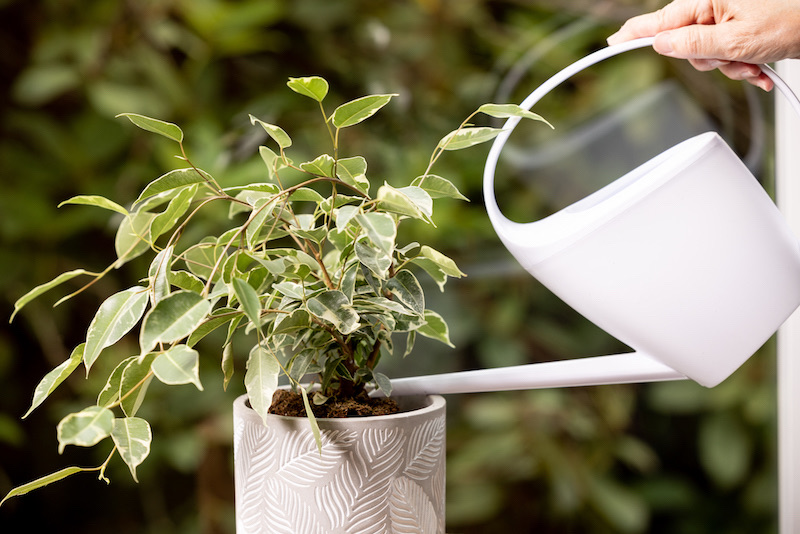
Additionally, overwatering is another significant cause of yellow leaves.
When soil becomes waterlogged, it deprives roots of oxygen, leading to root rot and ultimately yellowing of the leaves.
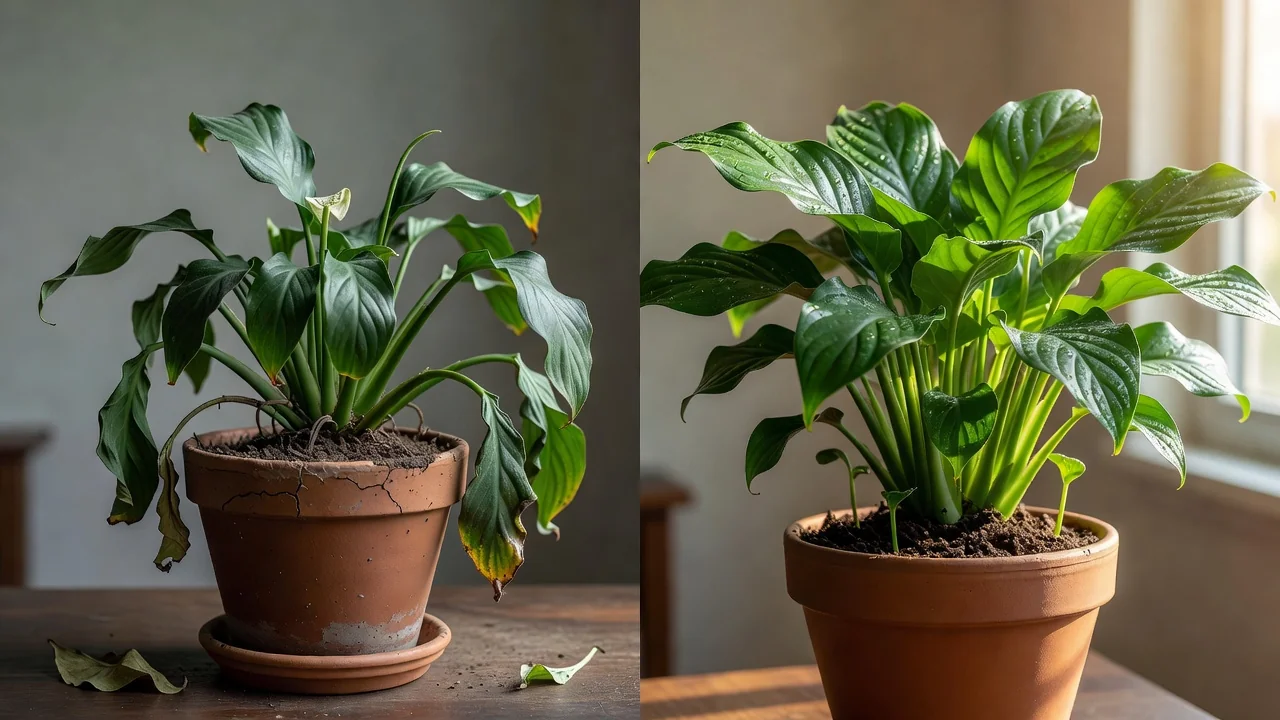
For example, if you notice that the leaves of your peace lily are turning yellow, it may be time to reassess your watering habits.
It’s essential to allow the top inch of soil to dry out before watering again.
The quality of water used for irrigation can also lead to yellowing leaves.
Tap water, which often contains chlorine and fluoride, can be detrimental to sensitive plants.
Using distilled or rainwater can help avoid this issue.
Furthermore, temperature extremes, whether too hot or too cold, can stress plants and result in yellowing leaves.
The Importance of Proper Plant Care and Observation
Proper plant care and regular observation play pivotal roles in preventing yellowing leaves.
Monitoring your plant’s health regularly allows you to catch early signs of distress.
For instance, if you notice a few yellow leaves, it’s essential to inspect the plant carefully for pests or diseases.
In many cases, issues can be resolved quickly if addressed promptly.
Moreover, understanding the specific needs of your plants is vital.
Each species has unique requirements for light, water, and nutrients.
For example, succulents prefer dry conditions and can easily develop yellow leaves if overwatered.
By consulting resources such as 10 Essential Plant Care Tips Every Beginner Should Know, you can equip yourself with the knowledge necessary to provide optimal care.
In conclusion, recognizing why your plant leaves are turning yellow is the first step toward restoring their health.
By addressing environmental factors and committing to proper care, you can ensure your plants thrive and remain vibrant.
Understanding these aspects will prepare you to tackle any future challenges effectively.
How to Diagnose Yellowing Leaves in Your Plants
Diagnosing why your plant leaves are turning yellow is essential for effective plant care. Yellowing leaves can indicate a range of issues, from nutrient deficiencies to improper watering practices.
Therefore, it’s crucial to assess your plant’s health thoroughly.
Assessing Plant Health
Begin by examining the overall condition of your plant.
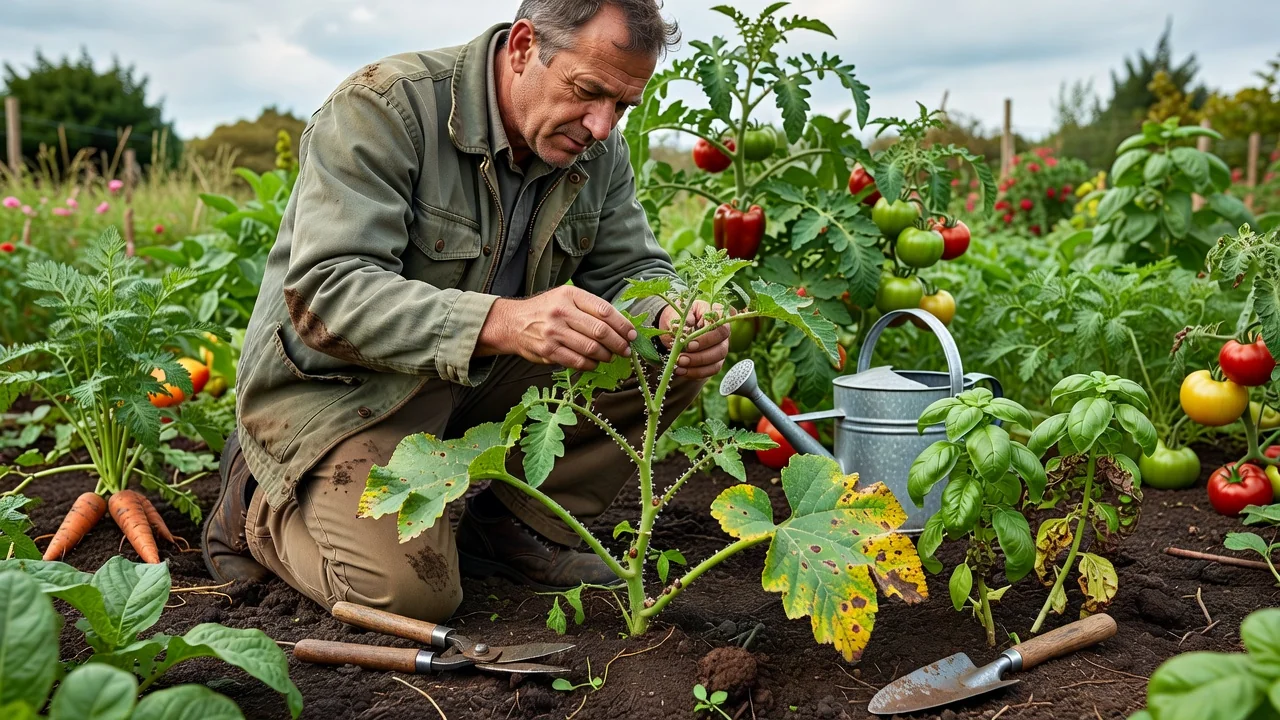
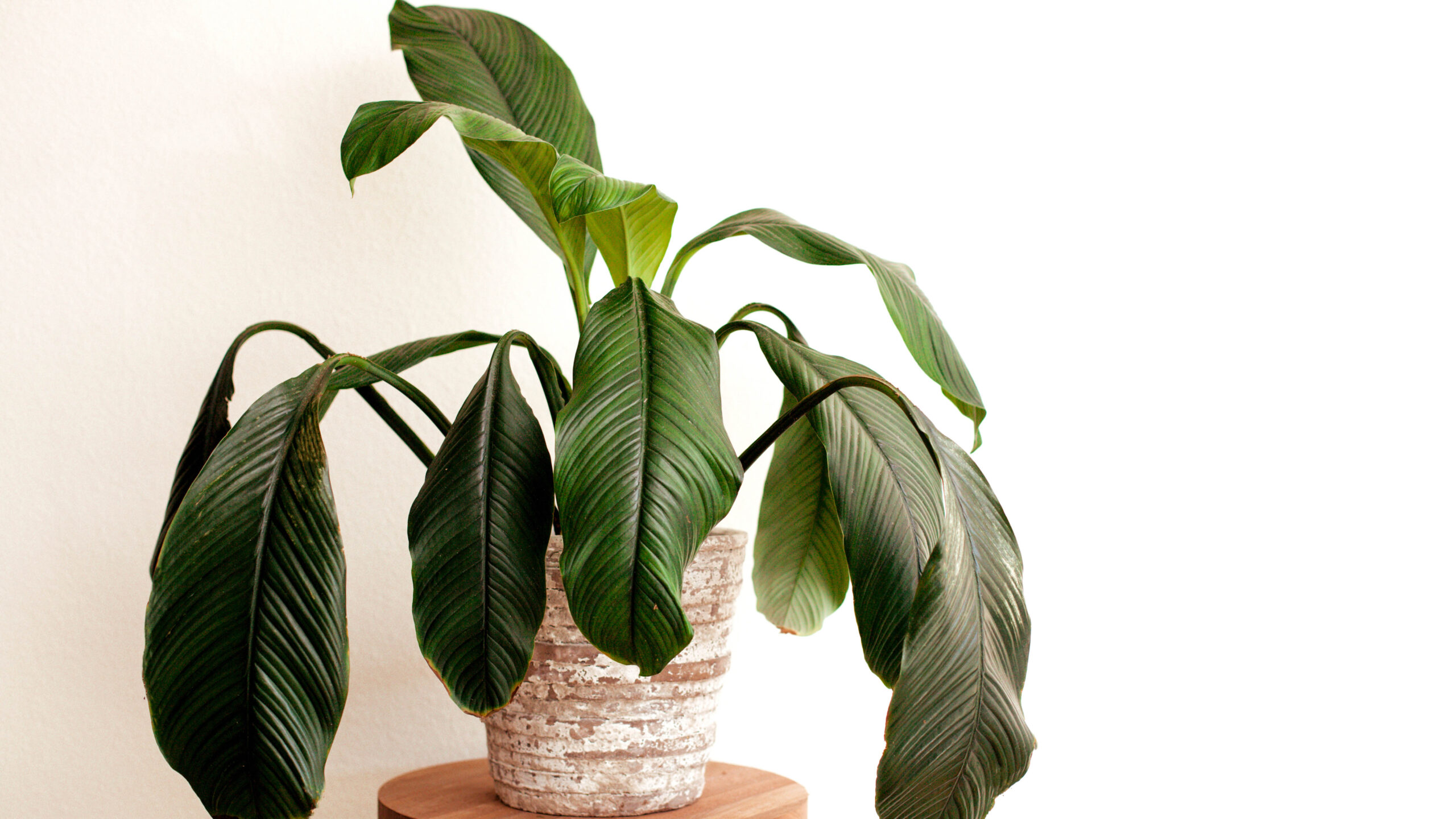
Look for signs of stress such as drooping leaves or stunted growth, which can accompany yellowing leaves. Inspecting the leaves closely is also vital; for instance, if the yellowing is uniform across the plant, it might point to a nutrient deficiency.
On the other hand, if only older leaves are affected, it could suggest that the plant is reallocating nutrients to new growth.
Next, consider other environmental factors.
Are you providing sufficient light? Plants that are not getting enough light often exhibit yellowing leaves.
Additionally, temperature fluctuations can stress plants, leading to similar symptoms.
To learn more about proper lighting for your plants, you can check out 10 Essential Plant Care Tips Every Beginner Should Know.
Importance of Inspecting Roots and Soil Conditions
Don’t overlook the roots and soil conditions when diagnosing yellowing leaves.
Healthy roots are critical for nutrient uptake.
Gently remove the plant from its pot and inspect the roots; they should be firm and white or light tan.
If you encounter dark, mushy roots, this may indicate root rot, a serious issue that can lead to yellowing leaves.
Furthermore, analyze the soil.
Is it too compacted or dry? Soil that drains poorly can also cause yellowing due to waterlogged conditions.
Regularly checking soil moisture can help prevent these issues.
For detailed guidance on maintaining proper watering schedules, refer to How Often Should You Water Your Plants? A Complete Guide.
In conclusion, by assessing plant health through leaf inspection and considering environmental factors alongside root and soil conditions, you can effectively diagnose why your plant leaves are turning yellow.
This proactive approach not only helps in fixing the current issue but also promotes overall plant health for the future.
Solutions for Fixing Yellowing Plant Leaves
Adjusting Watering Practices to Prevent Overwatering
Understanding the right watering techniques is crucial for maintaining healthy plants. Overwatering is one of the primary reasons why plant leaves turn yellow.
When plants receive too much water, their roots can become waterlogged, leading to root rot.
This condition restricts the roots’ ability to absorb essential nutrients and oxygen, causing the leaves to yellow and drop.
To address this issue, it is important to first evaluate your watering routine.
Most plants prefer a balance of moisture and dryness.
A good practice is to check the top inch of the soil; if it feels dry, it’s time to water.
Additionally, consider the type of plant you have.
For instance, succulents and cacti require less frequent watering compared to tropical plants.
For a detailed guide on watering frequency, check out our article on How Often Should You Water Your Plants? A Complete Guide.
Moreover, using pots with drainage holes is essential.
These allow excess water to escape, preventing the roots from sitting in stagnant water.
If you notice yellowing leaves, inspect the soil for excess moisture.
If the soil is consistently wet, consider repotting your plant in drier soil or a new pot with better drainage.
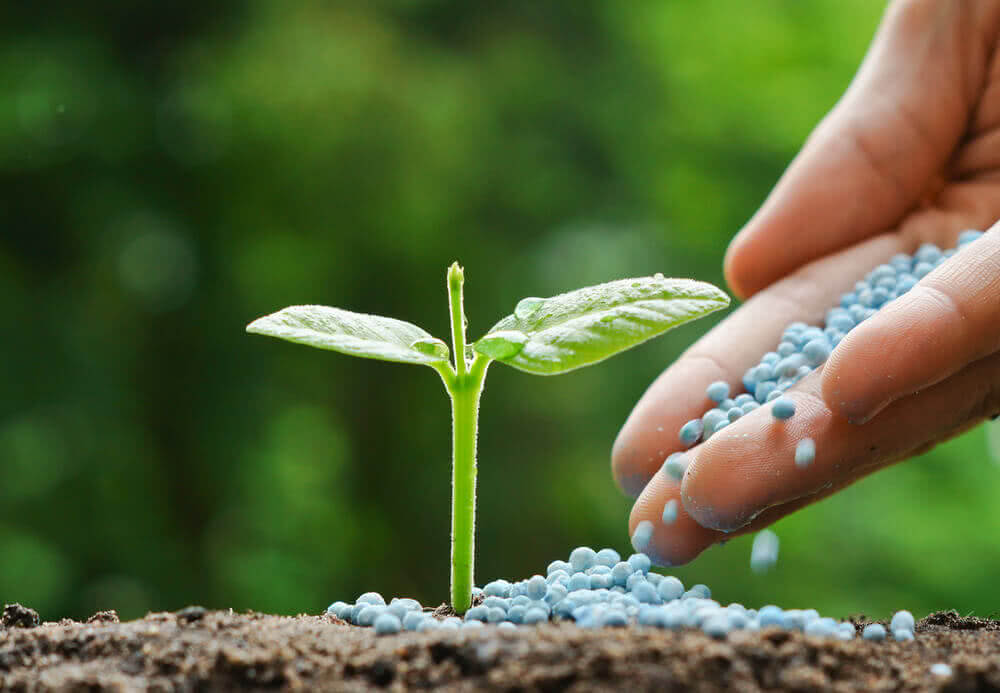
Adding Fertilizers to Correct Nutrient Deficiencies
Another common reason for yellowing leaves is nutrient deficiency, particularly a lack of nitrogen, potassium, or magnesium.
Plants require a variety of nutrients to thrive, and when they are deficient, it can show through yellowing leaves.
The first step to address this issue is to identify the specific nutrient that is lacking.
For instance, if the older leaves are yellowing while new growth remains green, this could indicate a nitrogen deficiency.
In this case, using a balanced fertilizer that is high in nitrogen can help restore health.
Conversely, if yellowing occurs in the tips of the leaves, it may be a sign of potassium deficiency.
Applying a potassium-rich fertilizer can help correct this imbalance.
Regular fertilization, especially during the growing season, can help prevent these deficiencies.
A general-purpose fertilizer can provide a well-rounded source of nutrients.
However, always follow the recommended dosage to avoid over-fertilizing, which can also lead to yellowing leaves.
For more detailed plant care tips, refer to our article on 10 Essential Plant Care Tips Every Beginner Should Know.
In conclusion, addressing yellowing leaves requires a careful examination of your plant’s watering practices and nutrient levels.
By adjusting your watering habits and ensuring proper fertilization, you can significantly improve the health of your plants and prevent future yellowing.
Conclusion
Throughout this article, we have delved into the reasons behind why your plant leaves are turning yellow and explored effective solutions to restore their vitality.
You now have the tools to diagnose and fix yellowing leaves, ensuring your plants can thrive once again.
It’s time to take action: assess your plants today and implement the solutions we’ve discussed.
Remember, a flourishing plant not only beautifies your space but also brings joy and life into your home!