Did you know that nearly 70% of houseplants die due to improper care?
This staggering statistic highlights the struggle many plant owners face.
In this article, we will explore how to save a dying plant through 8 simple steps that really work.
Understanding the importance of proper plant care not only helps your greenery thrive but also enhances your living space.
Join us as we delve into practical strategies that will revive your wilting plants and keep them flourishing for years to come.
Understanding Why Your Plant is Dying
Identifying the underlying issues affecting your plant’s health is crucial for its recovery.
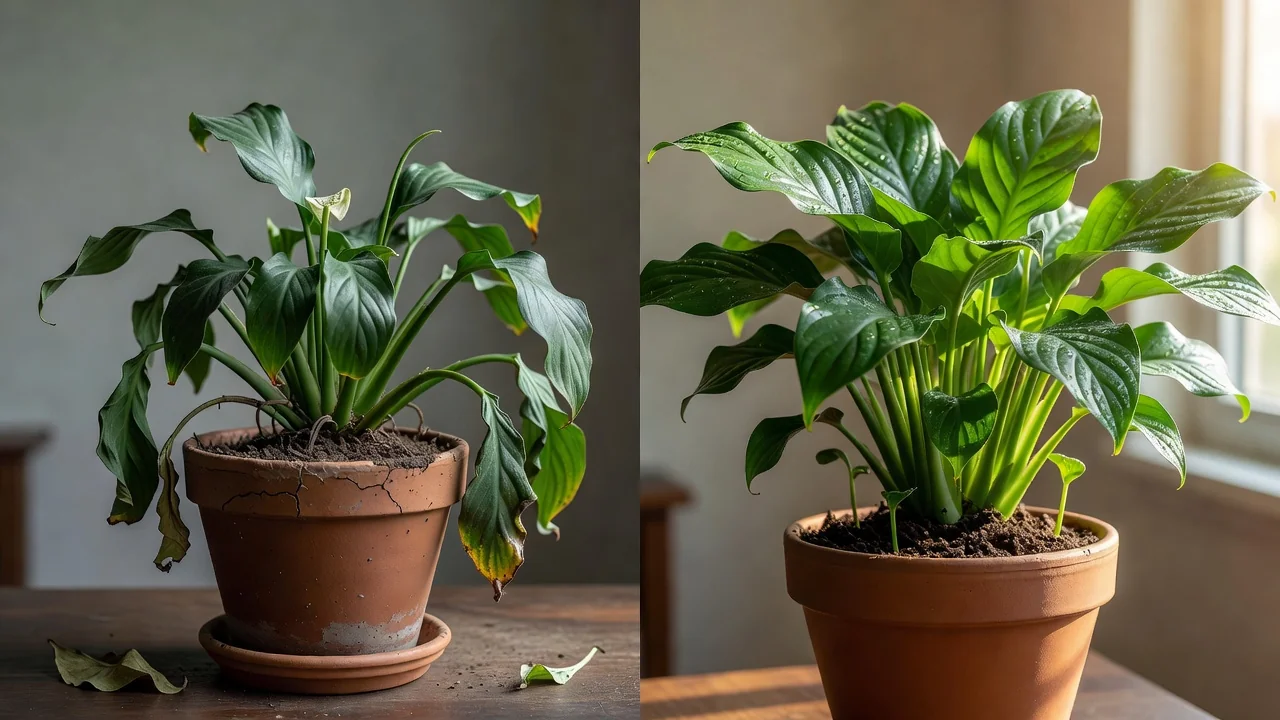
One common reason for plant decline is overwatering.
When plants receive too much water, their roots can become waterlogged, leading to root rot.
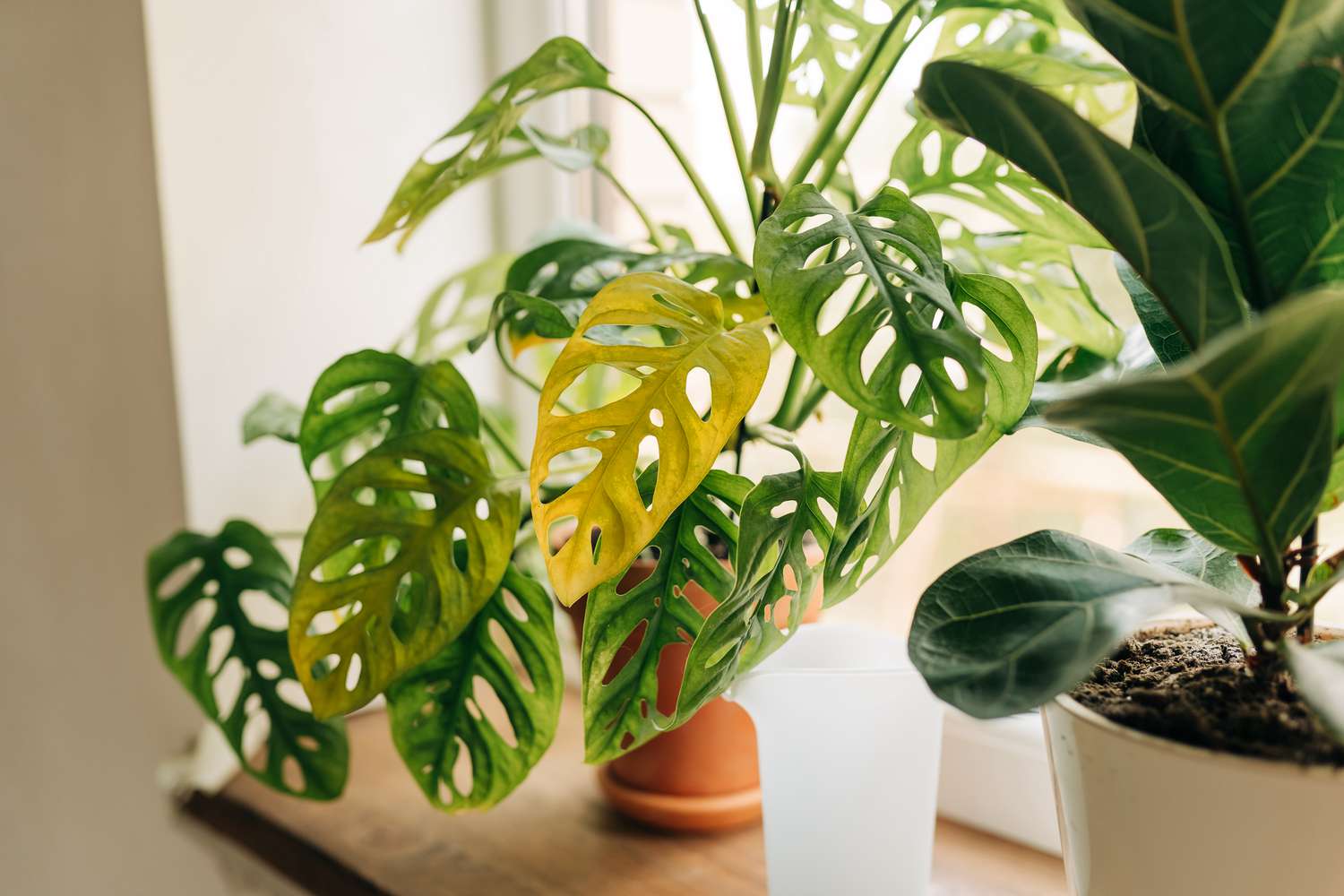
Signs of overwatering include yellowing leaves, wilting despite wet soil, and a foul odor from the soil.
For example, if you notice your plant’s leaves turning yellow and mushy, it’s a clear indicator that you might be overwatering it.
On the other hand, underwatering can also pose serious threats to your plant’s survival.
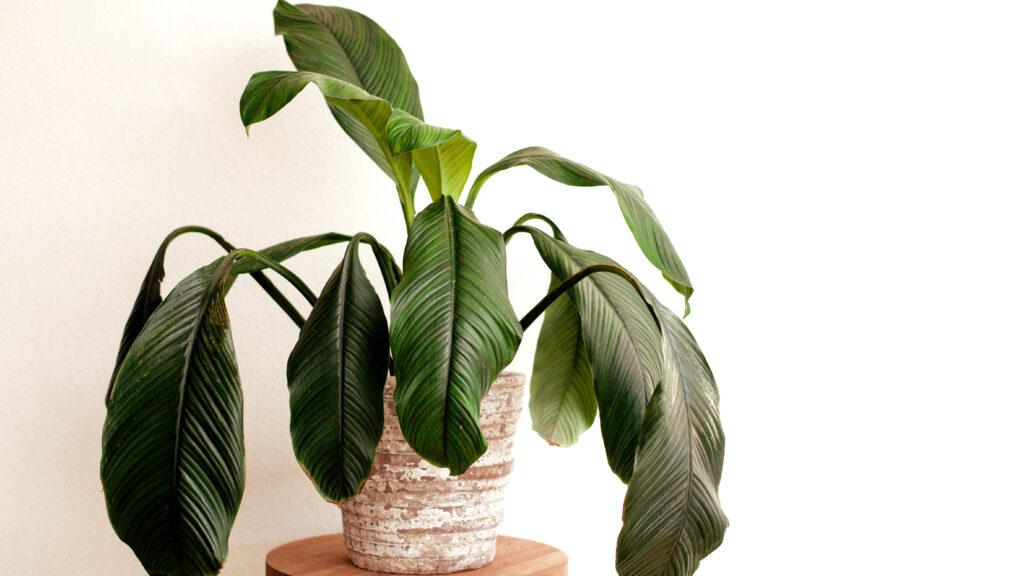
Symptoms of underwatering include dry, crispy leaves, stunted growth, and a general lack of vitality.
If your plant’s leaves are curling or dropping off, consider whether it has been receiving adequate moisture.
For instance, succulents may require less frequent watering, while tropical plants need consistent moisture.
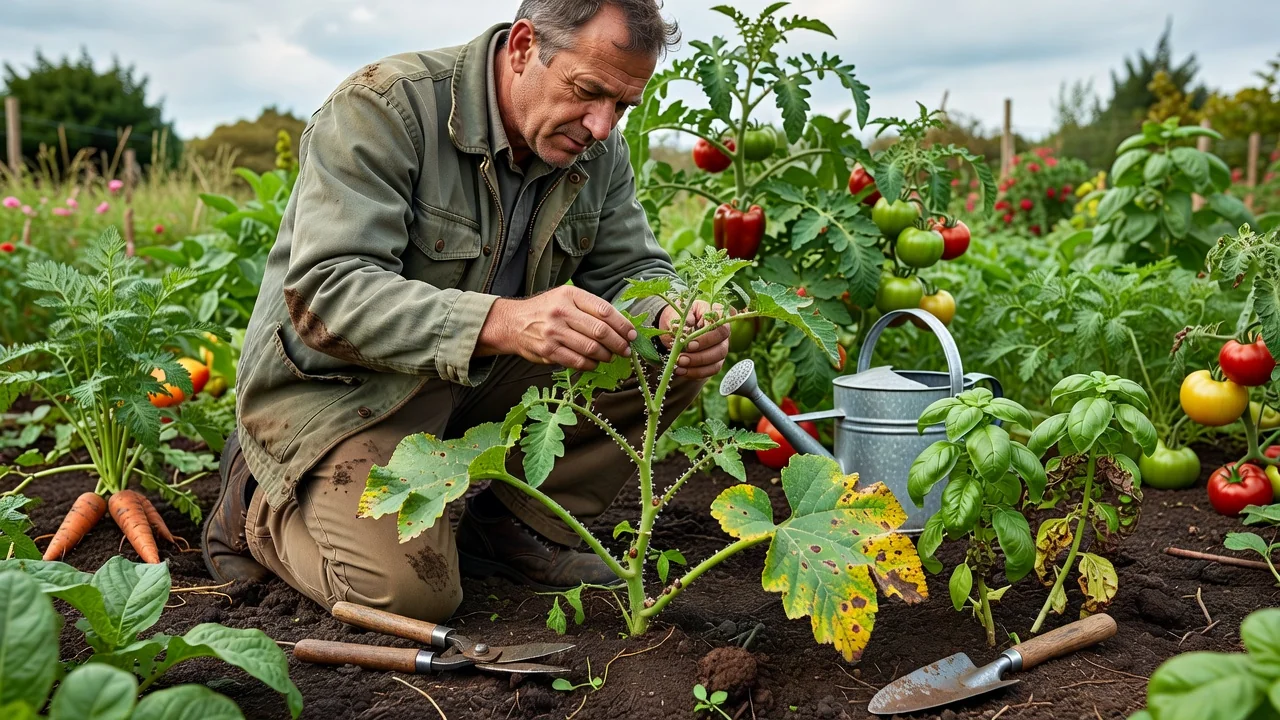
Additionally, pests and diseases can severely affect a plant’s health.
Common pests like aphids or spider mites can drain nutrients, leading to wilting and discoloration.
It’s essential to inspect your plant regularly for any signs of infestation.
Implementing preventive measures like neem oil can help protect your plants.
By understanding these factors, you are better equipped to tackle the challenges of plant care.
For more tips, check out 10 Essential Plant Care Tips Every Beginner Should Know.
Step 1: Assessing Your Plant’s Needs
Understanding your plant’s specific needs is crucial to reviving a dying plant.
Each species has distinct requirements for light, water, and nutrients.
For instance, succulents thrive in bright, indirect sunlight, while ferns prefer low-light conditions.
Begin by observing the current condition of your plant and identifying any visible symptoms such as yellowing leaves or wilting.
Utilize tools such as moisture meters to check soil moisture levels and light meters to evaluate the amount of light your plant receives.
By doing this, you can determine if your plant is receiving too much or too little water and light.
For example, if the soil is consistently wet, it might indicate overwatering, which can lead to root rot.
Ultimately, assessing these factors will guide you in making necessary adjustments.
This step is essential for creating an environment where your plant can thrive.
For more insights into basic plant care, check out 10 Essential Plant Care Tips Every Beginner Should Know.
Step 2: Adjusting Watering Practices
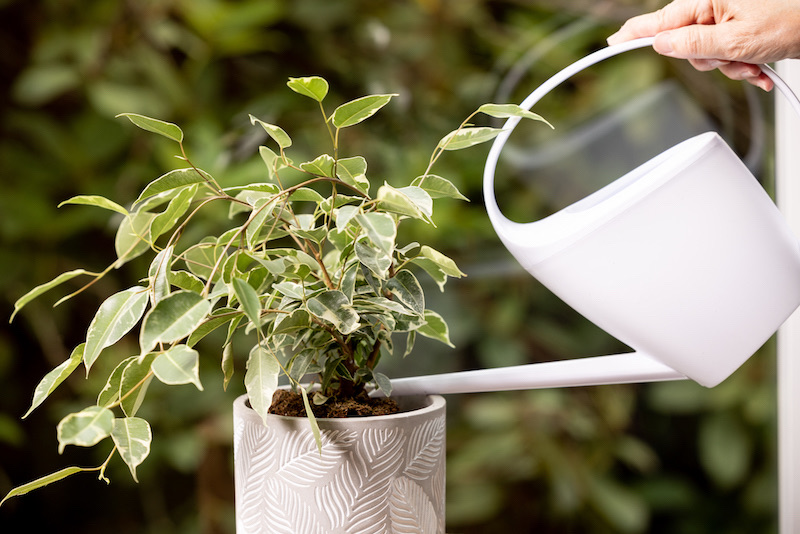
Watering practices play a crucial role in the health of your plants.
Understanding how to properly water different types of plants is essential for their survival.
For instance, succulents and cacti require less frequent watering due to their ability to store moisture, while tropical plants often thrive with more consistent hydration.
To determine if a plant is receiving the right amount of water, check the soil moisture.
If the top inch of soil feels dry, it’s time to water.
However, be cautious of overwatering, which can lead to root rot.
Signs of overwatering include yellowing leaves and a mushy stem.
To prevent this, always ensure your pots have proper drainage.
If you’re unsure about your watering techniques, you can explore 10 Essential Plant Care Tips Every Beginner Should Know for further guidance.
In conclusion, adjusting your watering practices based on the specific needs of your plants is vital.
By observing their responses, you can create a tailored watering routine that promotes growth and vitality.
Step 3: Improving Soil Quality
Soil quality is crucial for the health of your plants.
Poor soil can lead to issues such as inadequate drainage and aeration, which can suffocate roots and promote root rot.
To begin improving soil quality, it’s essential to evaluate the current state of your potting mix.
For example, if you notice that water is pooling on the surface or taking too long to drain, it may be time to consider a new potting mix.
Choosing the right potting mix is vital.
Look for a mix that contains components like perlite or vermiculite to enhance drainage and aeration.
These materials help create air pockets in the soil, allowing roots to breathe.
Additionally, consider the specific needs of your plant type; for instance, cacti and succulents thrive in sandy mixes, while tropical plants prefer moisture-retentive soils.
In summary, improving soil quality is a pivotal step in saving a dying plant.
By ensuring proper drainage and selecting the right potting mix, you can provide a nurturing environment that encourages growth.
For more tips on plant care, check out 10 Essential Plant Care Tips Every Beginner Should Know.
Step 4: Providing Adequate Light
Light is essential for the survival of your plants. Understanding the specific light requirements for different plant species is crucial in reviving a dying plant.
While some plants thrive in bright, direct sunlight, others prefer low-light conditions.
For instance, succulents and cacti typically need full sun exposure, while ferns and snake plants can flourish in indirect light.
To adjust light exposure for indoor plants, consider their placement carefully.
For example, placing a light-demanding plant near a south-facing window can significantly boost its health.
Conversely, if a plant shows signs of scorch or leaf burn, it may be receiving too much direct sunlight. Regularly rotating your plants can also ensure they receive even light exposure, promoting symmetrical growth.
Providing the right amount of light will enhance your plant’s overall vitality, making it an integral part of your care routine.
For more detailed tips, check out 10 Essential Plant Care Tips Every Beginner Should Know.
Step 5: Treating Pests and Diseases
Addressing pests and diseases is crucial for saving a dying plant. Many plants suffer from various issues that can be identified by observing their leaves, stems, and soil.
Common pests include aphids, spider mites, and whiteflies, which can be controlled using both natural and chemical methods.
For instance, introducing beneficial insects like ladybugs can help combat aphids without harming the plant.
Additionally, fungal diseases such as powdery mildew can be treated with fungicides or homemade solutions like a mixture of baking soda and water.
It’s essential to identify the specific problem early, as prompt action often leads to better recovery outcomes.
For more care strategies, check out 10 Essential Plant Care Tips Every Beginner Should Know.
Step 6: Fertilizing for Recovery
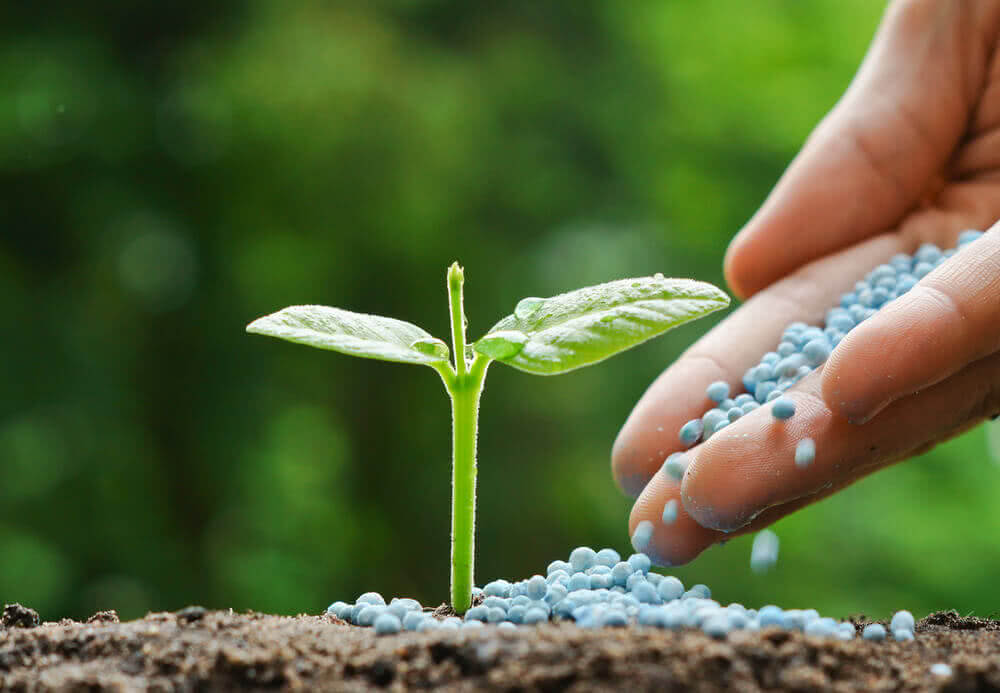
Fertilizing is a crucial step in reviving a dying plant. However, it’s essential to know when and how to apply fertilizers effectively.
Generally, you should fertilize during the plant’s growing season, which typically spans from spring to early summer.
During this period, plants are more receptive to nutrients.
There are various types of fertilizers available, including organic and synthetic options. Organic fertilizers, like compost or worm castings, release nutrients slowly and improve soil health.
In contrast, synthetic fertilizers provide immediate nutrients but can lead to soil depletion if overused.
For instance, a balanced fertilizer with equal parts nitrogen, phosphorus, and potassium (N-P-K) can support overall plant health.
When applying fertilizers, always follow the recommended dosage on the packaging to avoid over-fertilization, which can harm the plant. Regularly monitoring your plant’s response to fertilization can guide adjustments in your approach.
In conclusion, proper fertilization is essential for recovery, and it can significantly enhance the chances of your plant’s revival.
For more tips, consider checking out 10 Essential Plant Care Tips Every Beginner Should Know.
Step 7: Pruning for Health
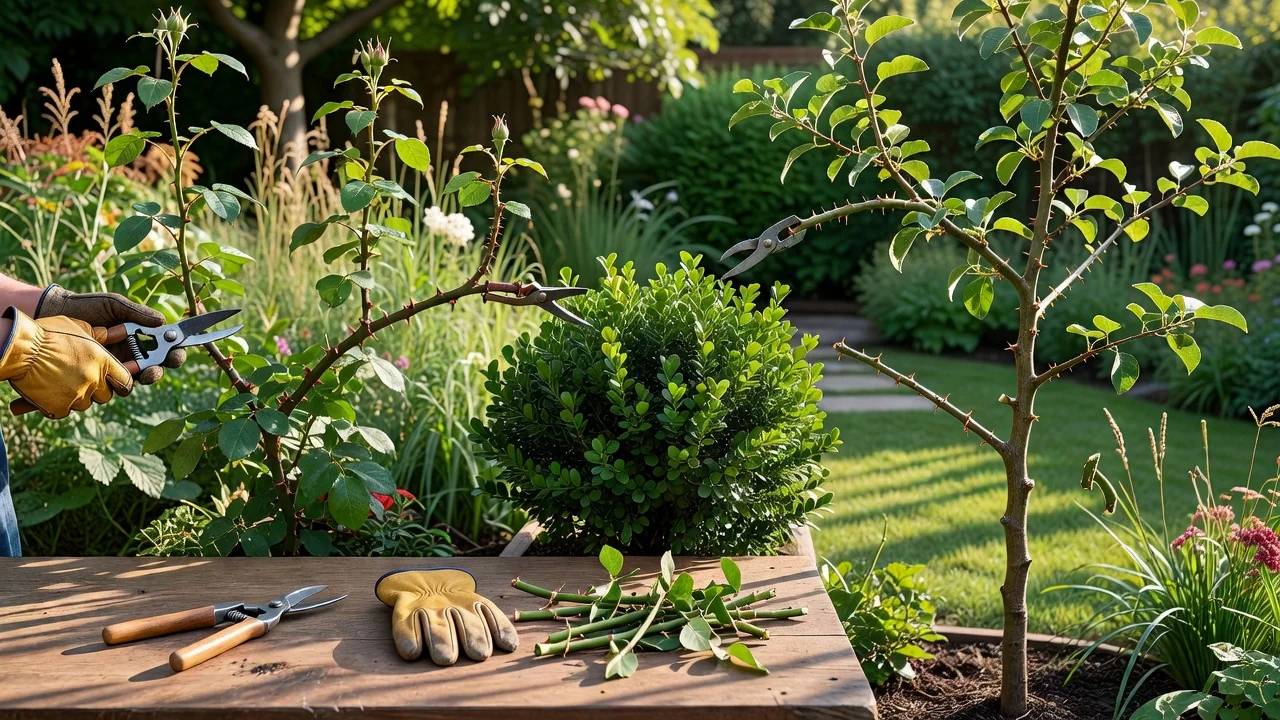
Pruning is a crucial step in revitalizing a dying plant. It not only helps in maintaining the plant’s health but also encourages new growth.
By removing dead or diseased branches, you allow the plant to redirect its energy towards healthier parts.
A sign that your plant needs pruning includes yellowing leaves, stunted growth, or excessive leaf drop.
To prune effectively, start by using clean, sharp tools to make precise cuts.
Always prune just above a node or leaf, as this encourages new growth.
For example, if you notice a branch that is significantly weaker than others, cutting it back can promote stronger, healthier branches.
Additionally, understanding the specific needs of your plant species will guide your pruning practices.
In conclusion, regular pruning not only improves the aesthetics of your plant but also enhances its overall vitality.
By incorporating this step, you increase your chances of saving a dying plant and fostering a thriving environment.
Step 8: Monitoring Progress
Monitoring the recovery of your dying plant is crucial. This step allows you to assess the effectiveness of the care you’ve provided and make necessary adjustments.
Start by regularly checking for signs of improvement, such as new growth, vibrant color, or healthy leaves.
For example, if you notice new shoots emerging, it’s a positive indication that your plant is responding well to the changes in care.
Conversely, if the plant continues to wilt or leaves turn yellow, it may be a sign that adjustments are needed.
Consider changing the watering schedule or altering the light exposure based on these observations.
Documentation can also be helpful; keep a journal of your plant’s condition over time.
This will allow you to track specific changes and correlate them with your care adjustments.
Remember, patience is key, as recovery can take time.
For further insights, check out 10 Essential Plant Care Tips Every Beginner Should Know.
Conclusion
Throughout this article, we have explored the essential steps to save a dying plant.
You now possess the knowledge and strategies needed to revive your plants and bring them back to life.
It’s time to take action: implement these 8 simple steps today and watch your plant thrive.
Remember, nurturing a plant mirrors nurturing your passions; both require patience and commitment!