Did you know that nearly 70% of houseplants suffer from neglect, leading to their slow demise?
Understanding how to revive a dying plant is essential for any plant lover who wants to restore their green companions to health.
Whether you’re dealing with droopy leaves, yellowing stems, or wilting petals, the importance of timely intervention cannot be overstated.
In this article, we will explore 10 simple steps that really work to breathe new life into your struggling plants, ensuring they thrive once again.
Understanding Why Your Plant is Dying
Identifying the reasons behind a plant’s decline is crucial for successful revival. Common signs of a dying plant include brown leaves, which often indicate insufficient water or excessive sunlight.
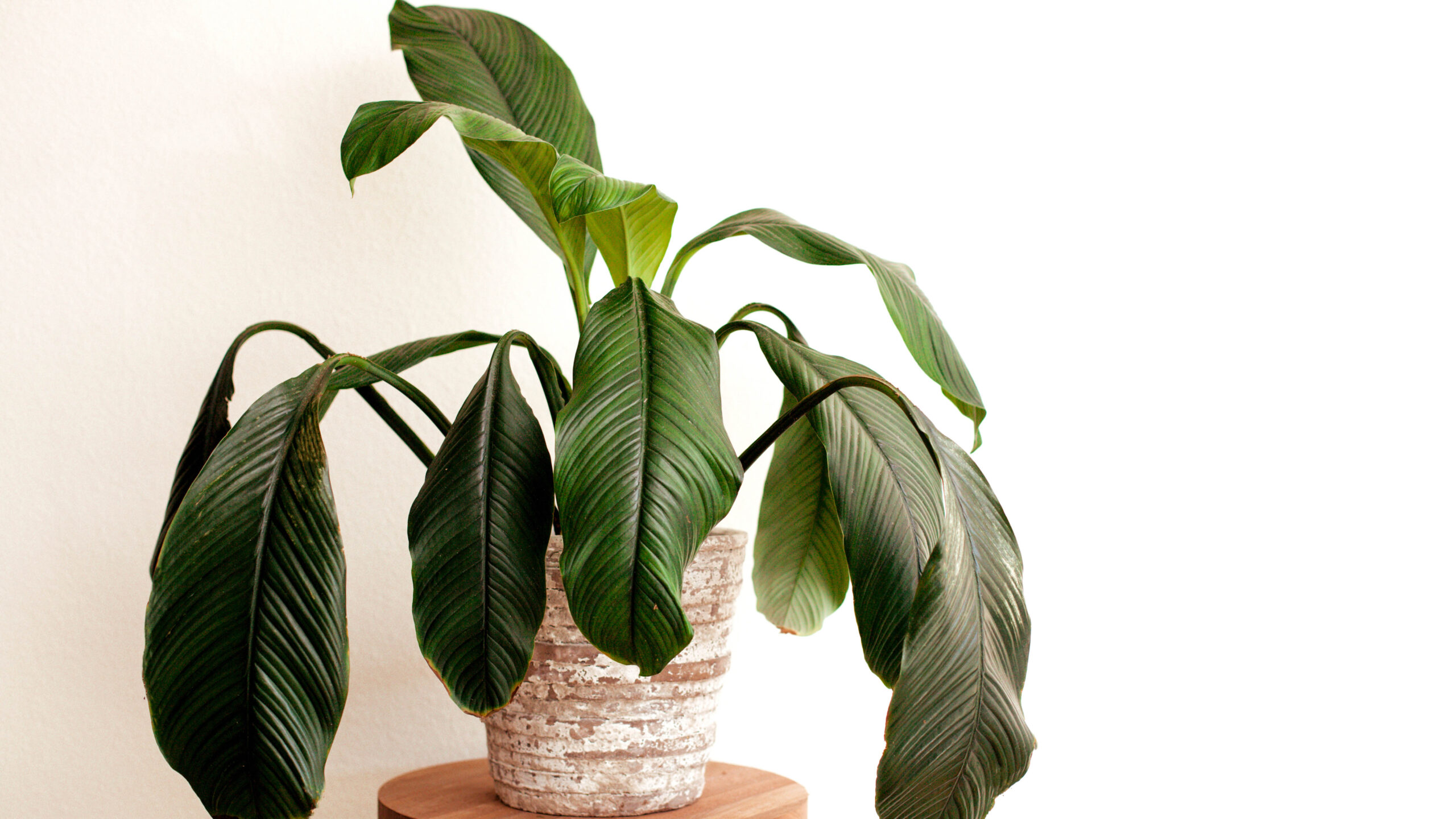
Additionally, wilting can signal both overwatering and underwatering, making it essential to assess your watering practices.
Furthermore, stunted growth may suggest poor soil quality or nutrient deficiencies.
Moreover, environmental factors play a significant role in plant health.
It’s vital to ensure your plant receives the correct amount of light, as different species thrive in varying light conditions.
Similarly, the quality of water can impact plant vitality, with tap water containing chlorine and other chemicals potentially harming sensitive plants.
Lastly, soil quality should not be overlooked; nutrient-rich, well-draining soil is essential for healthy growth.
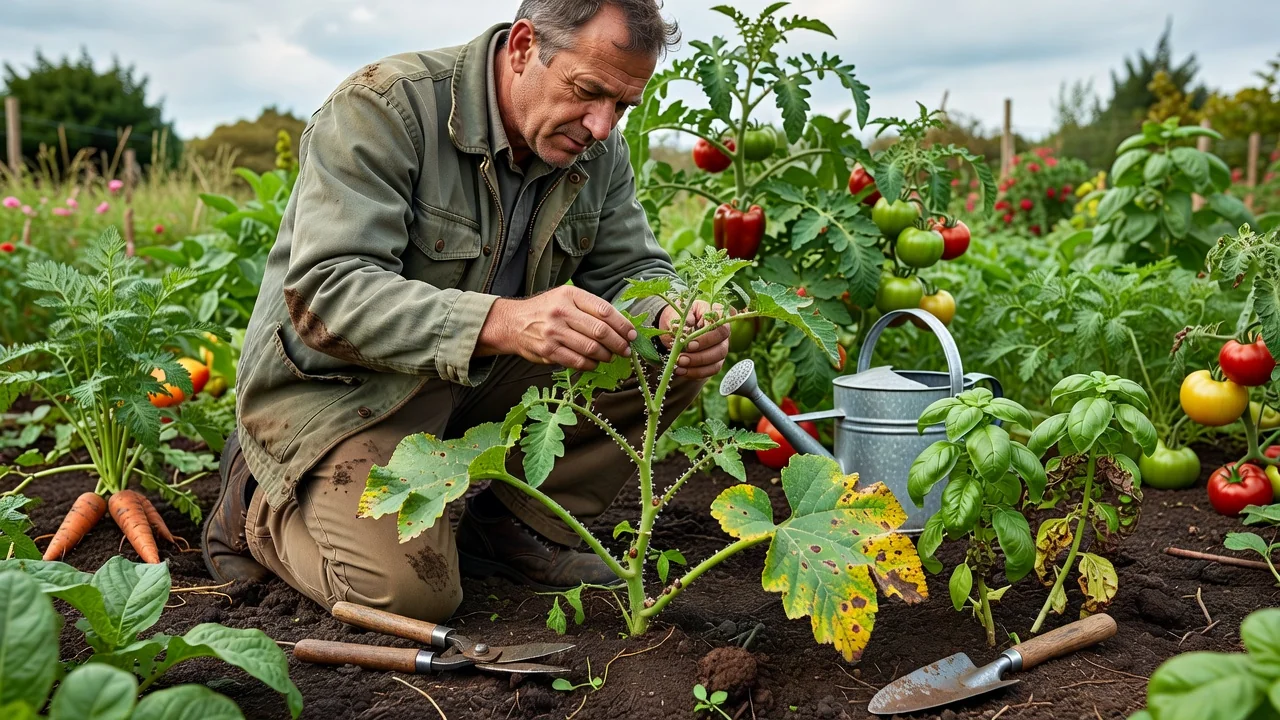
In addition to these factors, pest infestations or diseases can greatly affect your plant.
Regular inspections can help identify issues early on.
For more insights on addressing plant health issues, consider reading Why Your Indoor Plants Are Dying (And How to Save Them).
Step 1: Assess Watering Needs
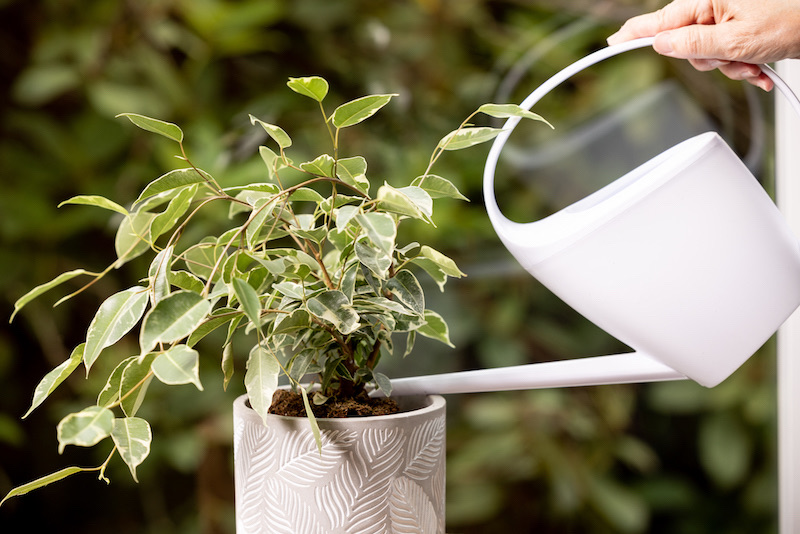
Understanding your plant’s watering needs is crucial for its revival. Overwatering and underwatering are common pitfalls that can lead to a plant’s decline.
To start, check the soil moisture levels.
Insert your finger about an inch into the soil; if it feels dry, it’s time to water.
Conversely, if it feels soggy, hold off on watering to prevent root rot.
Different plants have varying requirements based on their type.
For instance, succulents prefer drier conditions compared to ferns, which thrive in moisture.
By recognizing and adjusting your watering habits, you can significantly enhance your plant’s chances of recovery.
For more on plant care, consider reading How to Save a Dying Plant: 8 Simple Steps That Really Work.
Step 2: Adjust Light Exposure
Lighting is crucial for plant health. Different plants have varying light requirements, so it’s essential to identify what your specific plant needs.
For instance, succulents thrive in bright, direct sunlight, while ferns prefer indirect light.
Reposition your plants by moving them closer to windows or rotating them regularly to ensure all sides receive adequate sunlight.
If natural light is insufficient, consider using grow lights.
These artificial lights can mimic the sun’s spectrum, promoting healthy growth, especially during winter months when daylight is limited. Proper light exposure can significantly enhance your plant’s vitality, making it a key step in the revival process.
Step 3: Improve Soil Quality
Soil quality is a crucial factor in reviving a dying plant. If the soil is depleted or compacted, it can hinder your plant’s growth and overall health.
Start by examining the current soil.
If it feels hard and dry, or if water struggles to penetrate, it may be compacted.
In such cases, consider replacing it with a high-quality potting mix that suits your plant’s specific needs.
For instance, cacti thrive in sandy soil, while tropical plants prefer a rich, organic mix.
When repotting, do so during the growing season, ideally in spring.
Gently remove the plant from its current pot, loosen any tightly bound roots, and place it into the new soil. This process not only revitalizes your plant’s environment but also encourages healthier root development. If you’re interested in more tips, check out 12 Simple Gardening Tips to Help Your Plants Grow Healthier.
Step 4: Trim Damaged Leaves
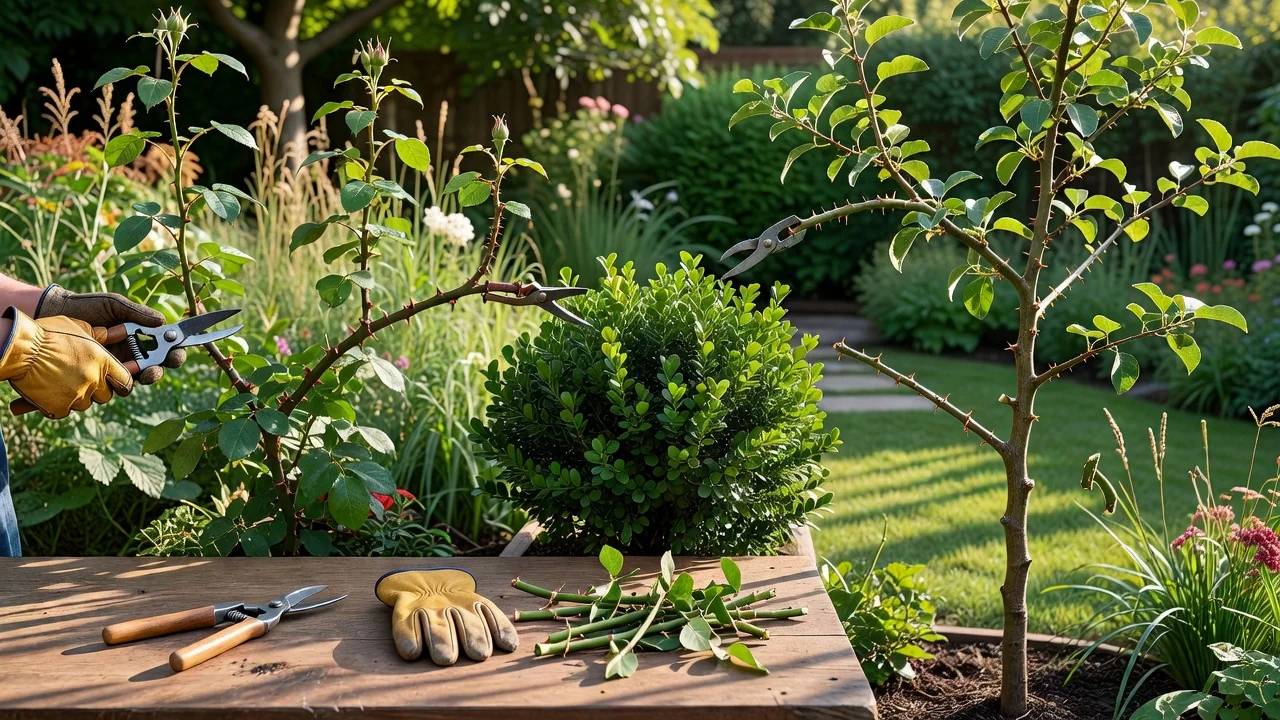
Trimming damaged leaves is crucial for the overall health of your plant.
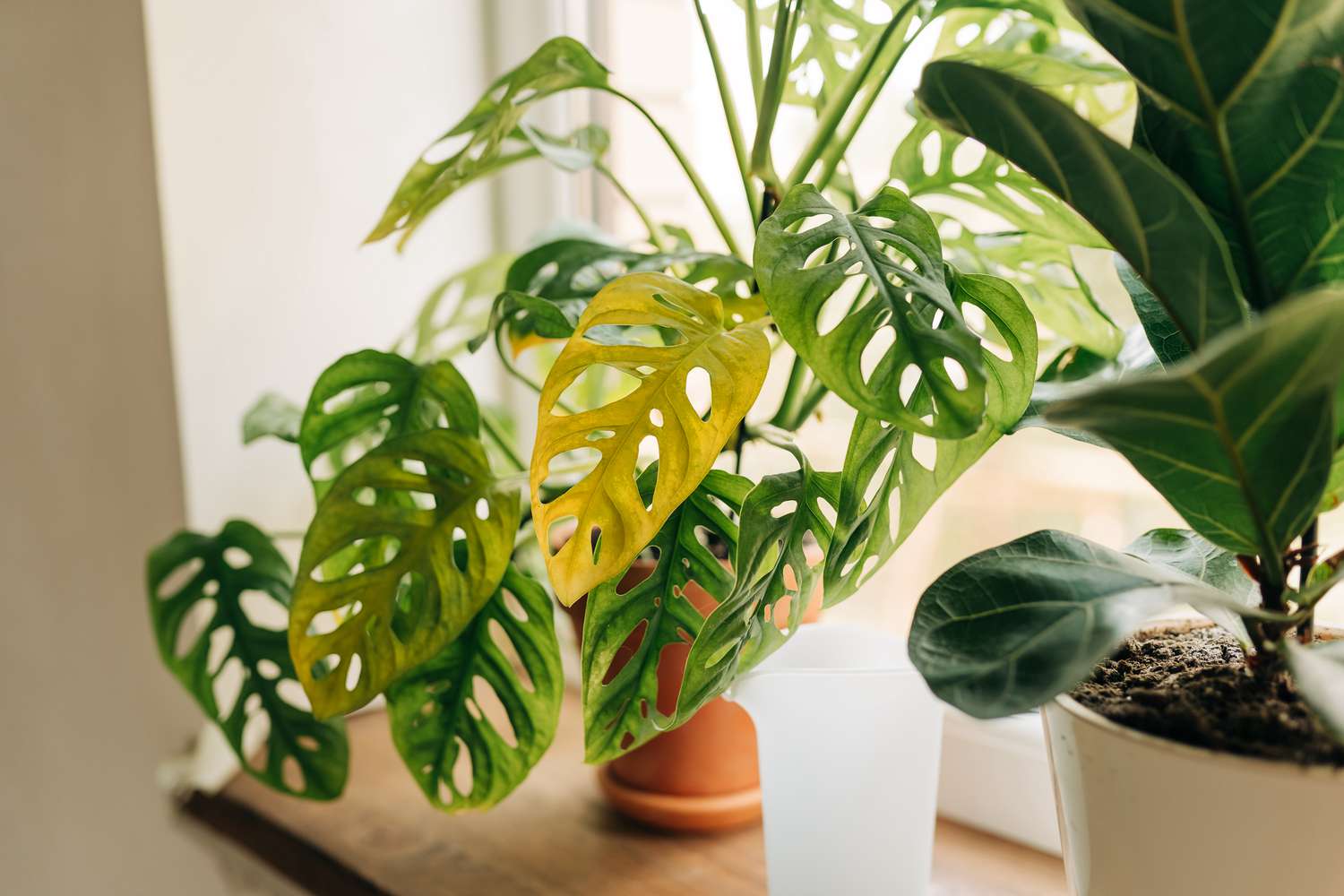
Recognizing which leaves to trim involves looking for those that are yellowing, wilting, or showing signs of disease.
These leaves drain energy and nutrients from the healthier parts of the plant.
Using the right tools for trimming, such as sharp, clean scissors or pruning shears, ensures a clean cut, minimizing stress to the plant.
When you remove these damaged leaves, you encourage new growth by allowing the plant to redirect its energy to healthier areas.
For instance, if you notice a few leaves on your peace lily turning brown, trimming them back not only enhances the plant’s appearance but also supports its recovery.
Thus, regular pruning can significantly improve the vitality of your green companion.
In summary, maintaining your plant’s health through proper trimming techniques is an essential step in the revival process.
If you’re interested in more tips, consider reading about how to save a dying plant.
Step 5: Fertilize Wisely
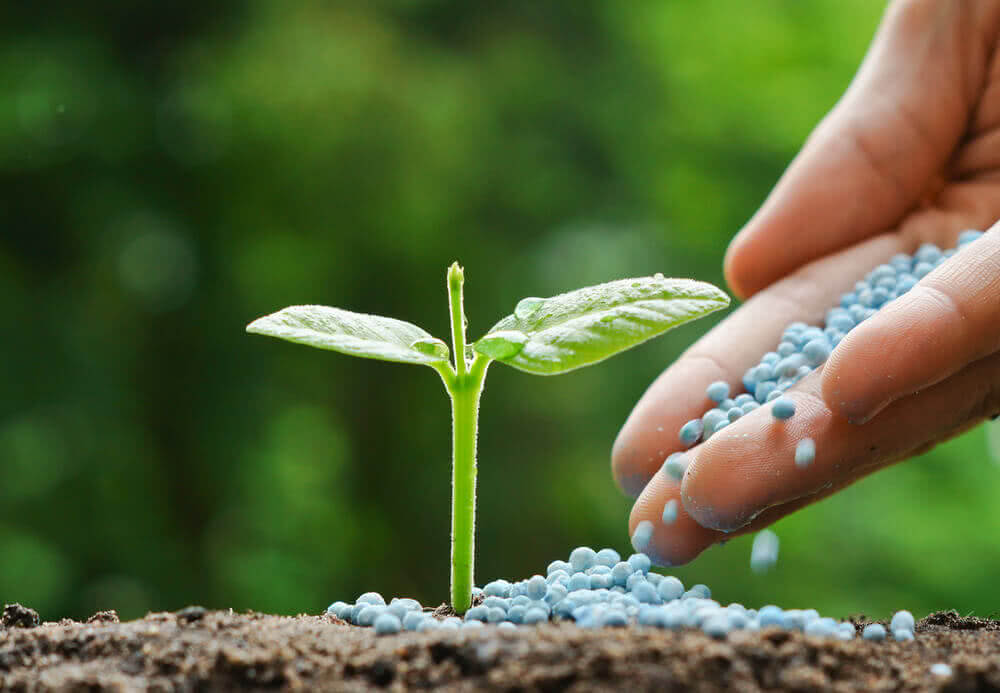
Fertilization is a crucial step in reviving a dying plant. Understanding the different types of fertilizers available can make a significant difference in your plant’s recovery.
There are two primary categories: synthetic and organic fertilizers.
Synthetic fertilizers provide immediate nutrients, while organic options enrich the soil gradually.
Timing is also essential; fertilizing during the plant’s growing season, typically in spring and summer, will yield the best results.
Applying fertilizer too early or too late can stress the plant.
When applying, ensure you follow the instructions on the package to avoid over-fertilization, which can harm your plant.
By fertilizing wisely, you not only boost your plant’s chances of survival but also promote healthier growth.
For more tips on plant care, check out How to Save a Dying Plant.
Step 6: Control Pests and Diseases
Maintaining plant health is crucial, and controlling pests and diseases plays a significant role.
Common pests like spider mites, aphids, and mealybugs can wreak havoc on your houseplants.
Identifying these pests early is vital; look for signs such as webbing, sticky residue, and discolored leaves.
Additionally, diseases such as root rot and powdery mildew can severely impact plant vitality.
Symptoms may include wilting, yellowing, or mushy roots.
Addressing these issues promptly is essential.
For treatment options, consider natural remedies like neem oil or insecticidal soap for pests.
For diseases, ensure proper airflow and avoid overwatering.
If problems persist, consult resources like Why Your Indoor Plants Are Dying for more insights.
Ultimately, vigilance and timely action can safeguard your plants against pests and diseases, ensuring their healthy revival.
Step 7: Monitor Humidity Levels
Humidity plays a crucial role in the health of your plants. Understanding which plants thrive in high humidity is essential for their revival.
For instance, tropical plants like ferns and peace lilies flourish in humid environments.
To effectively increase humidity around your plants, consider using humidity trays filled with water and pebbles.
This method allows evaporation to raise the moisture level in the air surrounding your plants.
Additionally, misting your plants can provide a quick boost in humidity.
However, it’s important to monitor humidity levels using a hygrometer to avoid over-saturation, which can lead to mold growth.
A balanced humidity level ensures that your plants absorb water efficiently, promoting their recovery.
For further insights on plant care, check out Why Your Indoor Plants Are Dying (And How to Save Them).
Step 8: Create a Care Schedule
Establishing a care schedule is crucial for the long-term health of your plant.
By tracking watering, fertilizing, and pruning, you ensure that your plant receives the attention it needs at the right time.
For example, you might choose to water your plant every week and fertilize it monthly.
Setting reminders on your phone or using a calendar can help you stay organized and consistent with these tasks.
Additionally, it’s essential to adjust your schedule based on your plant’s response.
If you notice signs of overwatering, such as yellowing leaves, it may be time to space out your watering sessions. Regular monitoring allows you to fine-tune your care, making it more effective over time.
For further guidance, you can check out How to Save a Dying Plant: 8 Simple Steps That Really Work.
Step 9: Be Patient and Observant
Patience is a virtue when it comes to reviving a dying plant.
Recovery does not happen overnight; it often takes time for your plant to respond to changes in care.
During this period, it is crucial to remain observant.
Monitor any changes in leaf color, texture, or overall growth.
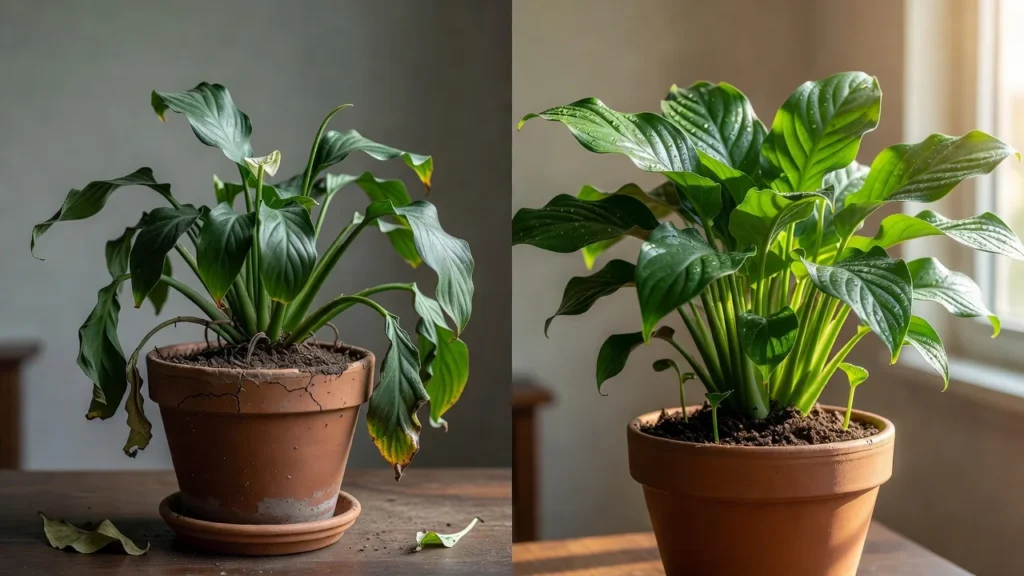
For instance, if you notice new growth or leaves beginning to perk up, these are positive signs.
Conversely, if the plant’s condition worsens, such as increased yellowing or wilting, it may be time to adjust your care strategy.
This might mean changing watering habits or relocating the plant for better light exposure.
Remember, knowing when to alter your approach is key to successful plant revival.
Step 10: Celebrate Your Success
Recognizing the signs of recovery in your plant is crucial for understanding the effectiveness of your efforts.
As your plant flourishes, take the time to document its progress through photos or a gardening journal.
This not only helps you track changes but also serves as motivation for future gardening endeavors.
Additionally, consider sharing your success with the gardening community.
Engaging with others can provide valuable insights and encouragement.
You can start by posting your journey on social media or participating in forums such as gardening tips discussions.
Celebrating your achievements, no matter how small, reinforces your commitment to plant care and encourages you to explore more about how to save a dying plant.
Conclusion
Throughout this article, we have explored how to revive a dying plant with 10 simple steps that really work.
You now possess the essential knowledge to assess your plant’s needs, adjust its environment, and provide the care it deserves.
It’s time to take action: implement these steps today and watch your plant thrive!
Remember, a little patience and observation can turn a struggling plant into a vibrant addition to your home.