Did you know that nearly 30% of houseplants die due to overwatering?
For many beginners, the struggle to keep indoor plants alive can feel daunting, especially if you often forget to water them.
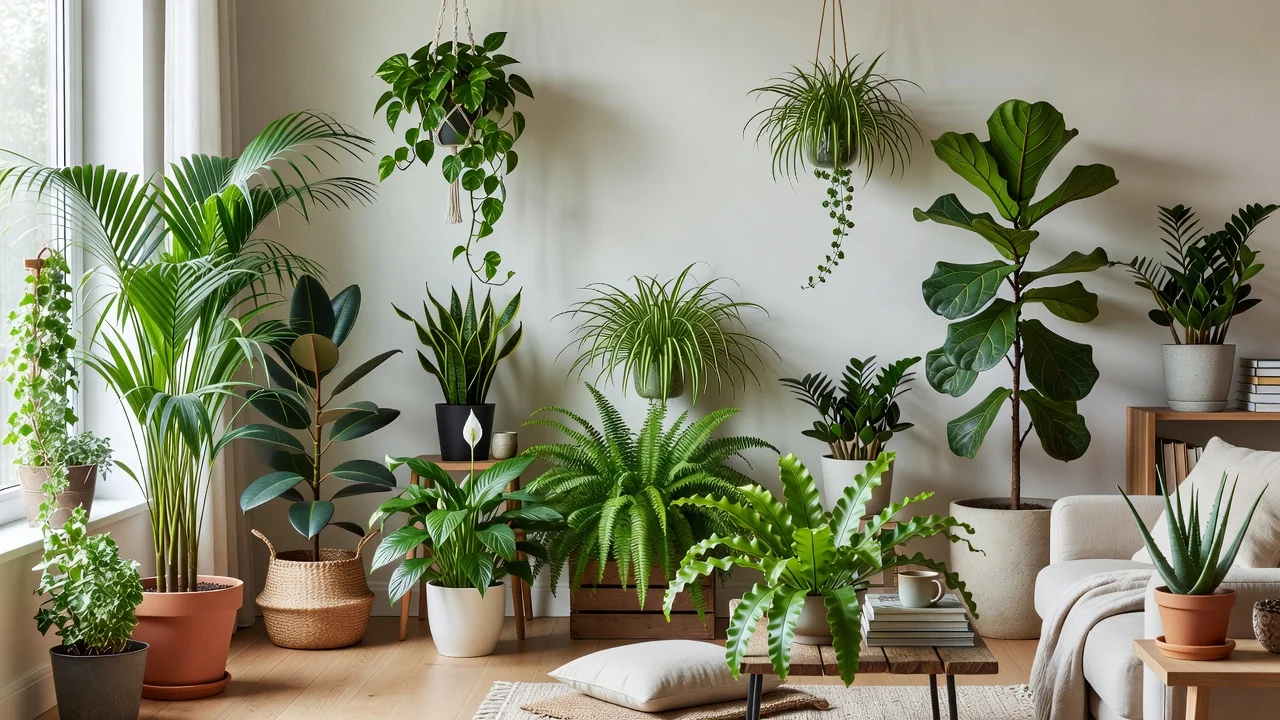
Fortunately, there are plenty of low-maintenance houseplants that thrive on minimal care and can still bring life to your home.
In this article, we will explore the best indoor plants for beginners who forget to water, providing you with options that are both resilient and beautiful.
You’ll discover not only which plants to choose but also tips on how to care for them effectively, ensuring that your indoor garden remains vibrant and healthy.
Why Choose Indoor Plants for Forgetful Waterers?
Indoor plants not only enhance the aesthetic appeal of a space, but they also contribute significantly to improving air quality.
For those who may not have a green thumb or frequently forget to water their plants, selecting low-maintenance varieties becomes essential.
Certain plants, such as succulents and snake plants, thrive on minimal care and can survive periods of neglect.
This makes them perfect choices for beginners who might forget to water regularly.
Additionally, the presence of indoor plants can reduce stress levels and increase overall enjoyment of living spaces.
Studies have shown that simply being around greenery can elevate mood and promote a sense of well-being.
For forgetful waterers, the low-maintenance nature of specific plants means they can still enjoy these benefits without the burden of constant care.
As an example, the 15 Best Indoor Plants That Are Easy to Care For provides a list of options that require little attention yet deliver significant aesthetic and health benefits.
Understanding the unique needs of forgetful waterers can guide plant selection effectively.
By choosing varieties that can withstand drought conditions, such as the ZZ plant or pothos, individuals can cultivate a thriving indoor garden without the anxiety of over or under-watering.
In conclusion, selecting the right plants can transform a forgetful waterer’s indoor environment into a lush, vibrant space, combining beauty with practicality.
Top 5 Indoor Plants That Need Little Water
For those who often forget to water their plants, choosing the right indoor plants can make all the difference. Fortunately, there are several hardy options that thrive on minimal attention.
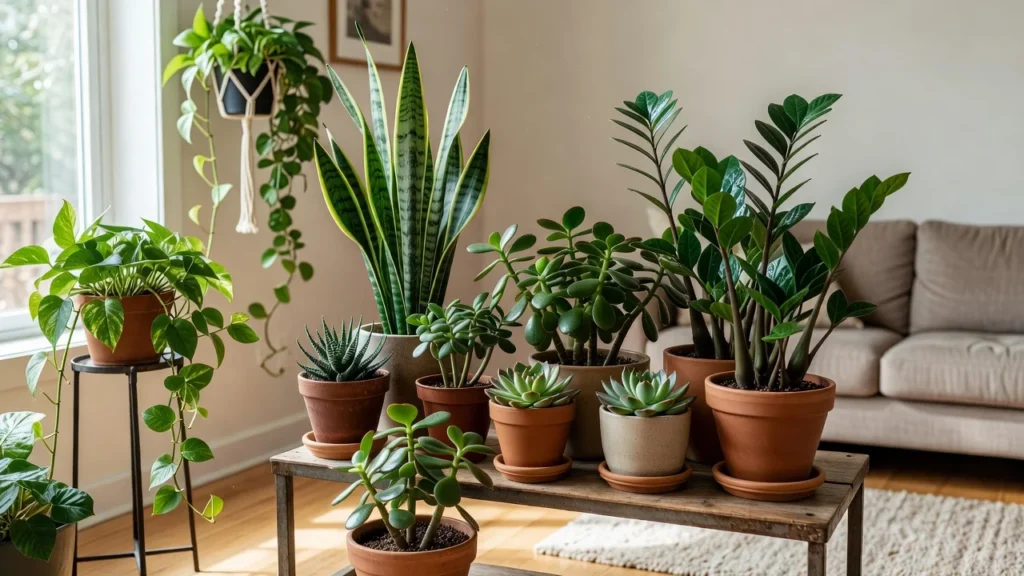
First on our list are succulents.
These plants are known for their ability to store water in their leaves, making them incredibly drought-resistant.
Varieties such as the Jade plant and Haworthia are perfect for beginners.
They require watering only when the soil is completely dry, which can be every two to three weeks.
Next up is the
Next up is the snake plant, also known as Mother-in-law’s tongue.
This resilient plant tolerates neglect and can thrive in low light conditions.
It requires very little water, typically needing a drink only every couple of months.
Its upright leaves add a touch of elegance to any room, making it both beautiful and practical.
Another excellent choice is the Pothos.
This vine is known for its ability to adapt to various conditions, including low light and irregular watering.
Pothos can survive for weeks without water, making it ideal for busy individuals.
It also helps purify the air, contributing to a healthier living environment.
The zz plant stands
The ZZ plant stands out for its extreme low maintenance.
It can survive in low light and requires watering only when the soil has completely dried out.
Its glossy leaves not only make it attractive but also help it retain moisture effectively, making it a favorite among forgetful plant owners.
Lastly, the spider plant is a hardy and forgiving option.
Known for its air-purifying qualities, it thrives in a variety of conditions.
With its cascading leaves and baby spiderettes, it’s both a stunning and easy-to-care-for addition to your home.
In conclusion, opting for any of these low-water indoor plants can help ensure that your green space remains vibrant even if you occasionally forget to water.
To explore more about easy-care plants, check out 15 Best Indoor Plants That Are Easy to Care For.
Care Tips for Indoor Plants That Need Little Water
Choosing the right care methods is crucial for your indoor plants that require minimal watering.
By implementing a few simple strategies, you can ensure that your plants thrive despite your occasional forgetfulness.
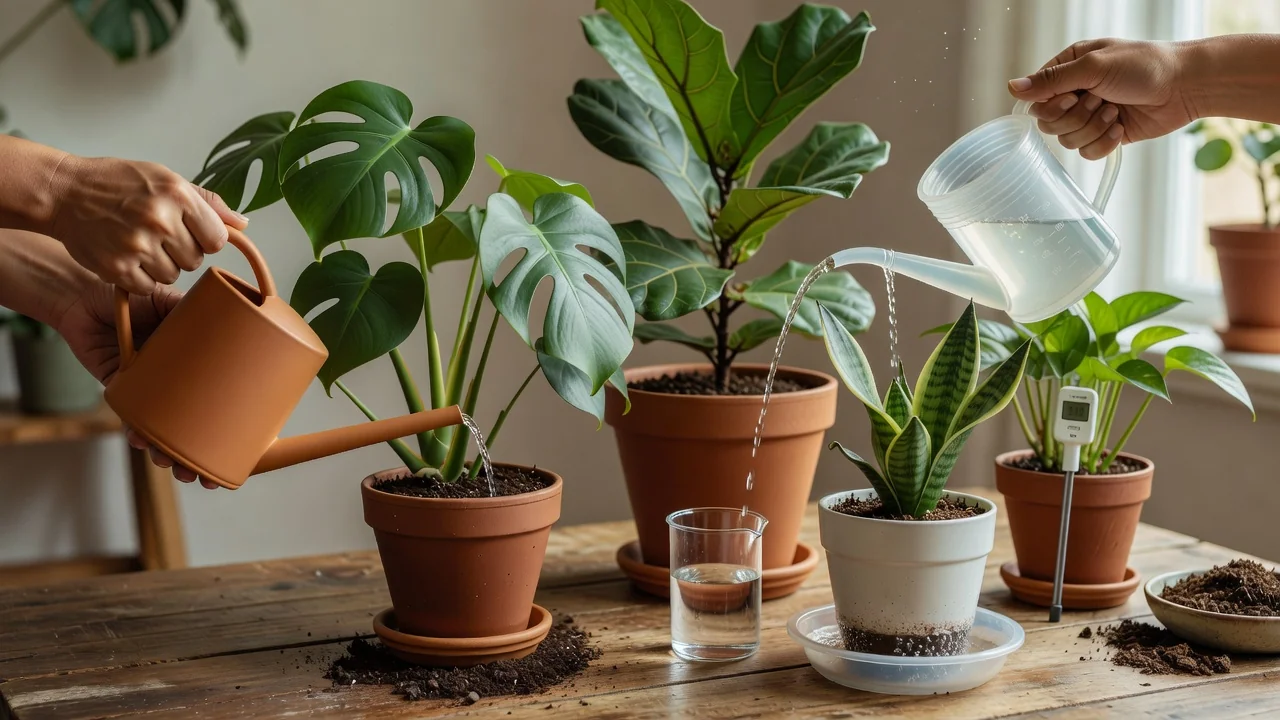
First and foremost, use well-draining soil to prevent overwatering.
Traditional potting soil can retain too much moisture, which may lead to root rot.
Instead, opt for a soil mix designed for succulents or cacti, which allows excess water to escape and provides the dry conditions these plants prefer.
Additionally, select the right pot size to avoid water retention.
A pot that is too large can hold more soil than necessary, leading to prolonged moisture around the roots.
When choosing a pot, ensure it has drainage holes to facilitate proper water flow.
For plants like snake plants and ZZ plants, smaller pots are often more effective.
Establishing a light schedule based on plant preferences is also essential.
Different plants have varying light requirements, and providing adequate light can reduce the need for frequent watering.
For instance, placing a pothos in bright, indirect light can help it thrive with less water.
Lastly, monitor for pests and diseases regularly.
While low-water plants are generally more resilient, they can still fall victim to pests like spider mites or mealybugs.
By keeping an eye on your plants, you can catch any issues early and maintain their health.
In conclusion, by following these care tips, you can successfully cultivate indoor plants that need little water.
Implementing these strategies will help you create a thriving plant environment, allowing you to enjoy the beauty of nature in your home, even if you forget to water occasionally.
For more tips on indoor plant care, consider checking out The Ultimate Guide to Watering Indoor Plants the Right Way.
Creating the Ideal Environment for Low-Maintenance Plants
Setting up the right environment is crucial for the success of low-maintenance plants. These plants thrive in conditions that mimic their natural habitats, making it essential for beginners to understand their needs.
First and foremost, adequate sunlight is key.
Most low-maintenance plants prefer bright, indirect light.
For instance, a snake plant or pothos can flourish in such conditions without the risk of leaf scorch from direct sunlight.
Positioning them near a window with filtered light will help them grow without requiring constant attention.
Additionally, maintaining appropriate humidity levels is vital.
Plants like peace lilies thrive in higher humidity, so consider using a pebble tray or a humidifier to create a suitable environment.
On the other hand, succulents and cacti prefer drier air, which means they can adapt well to standard indoor humidity levels.
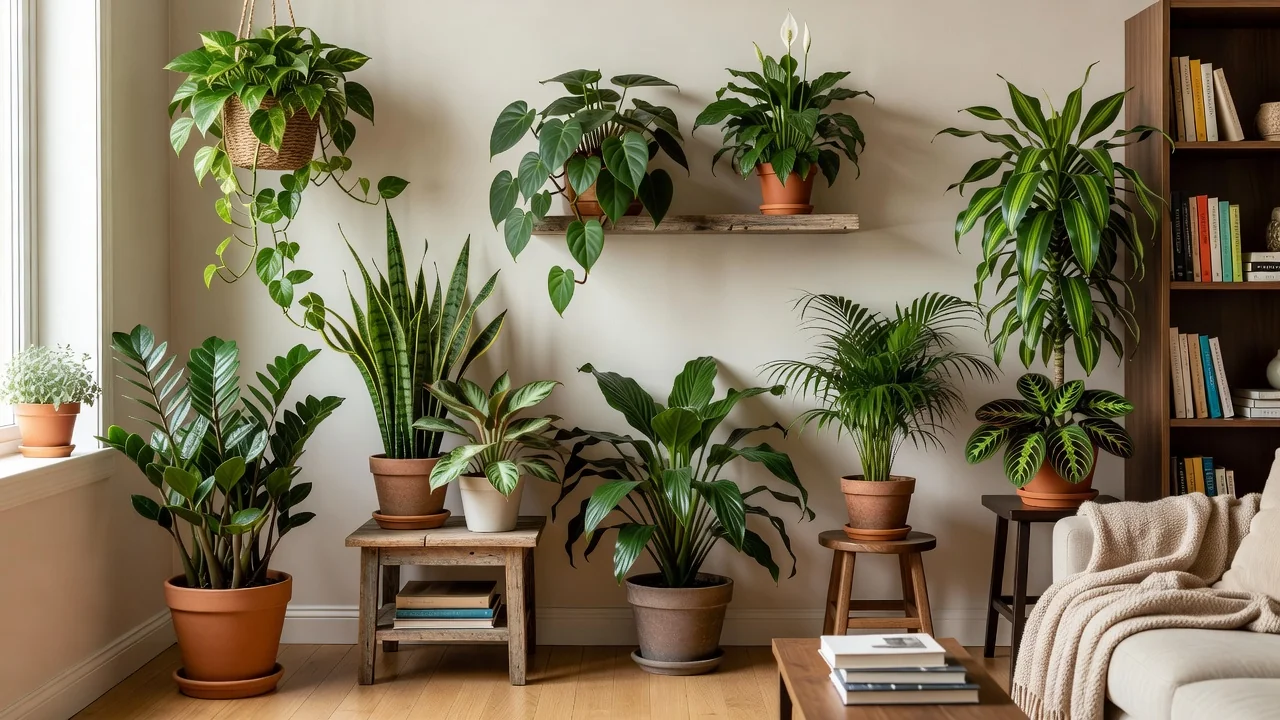
Utilizing plant stands and shelves can optimize both space and light exposure.
By elevating plants, you ensure they receive adequate light while also creating an appealing display.
Grouping plants together can further enhance this effect, as it helps create a microclimate that retains moisture and humidity, benefiting all nearby plants.
In conclusion, understanding the specific needs of your low-maintenance plants can lead to thriving greenery in your home.
By ensuring adequate sunlight, maintaining proper humidity, and utilizing smart placement techniques, even the most forgetful plant owners can successfully cultivate a beautiful indoor garden.
Common Mistakes to Avoid for Forgetful Waterers
Taking care of indoor plants can be a rewarding experience, especially for beginners.
However, forgetful waterers often make common mistakes that can lead to plant distress.
One significant error is overwatering, which usually stems from a lack of understanding about specific plant needs.
For instance, many people assume that all plants require the same amount of water, leading to soggy roots and ultimately root rot.
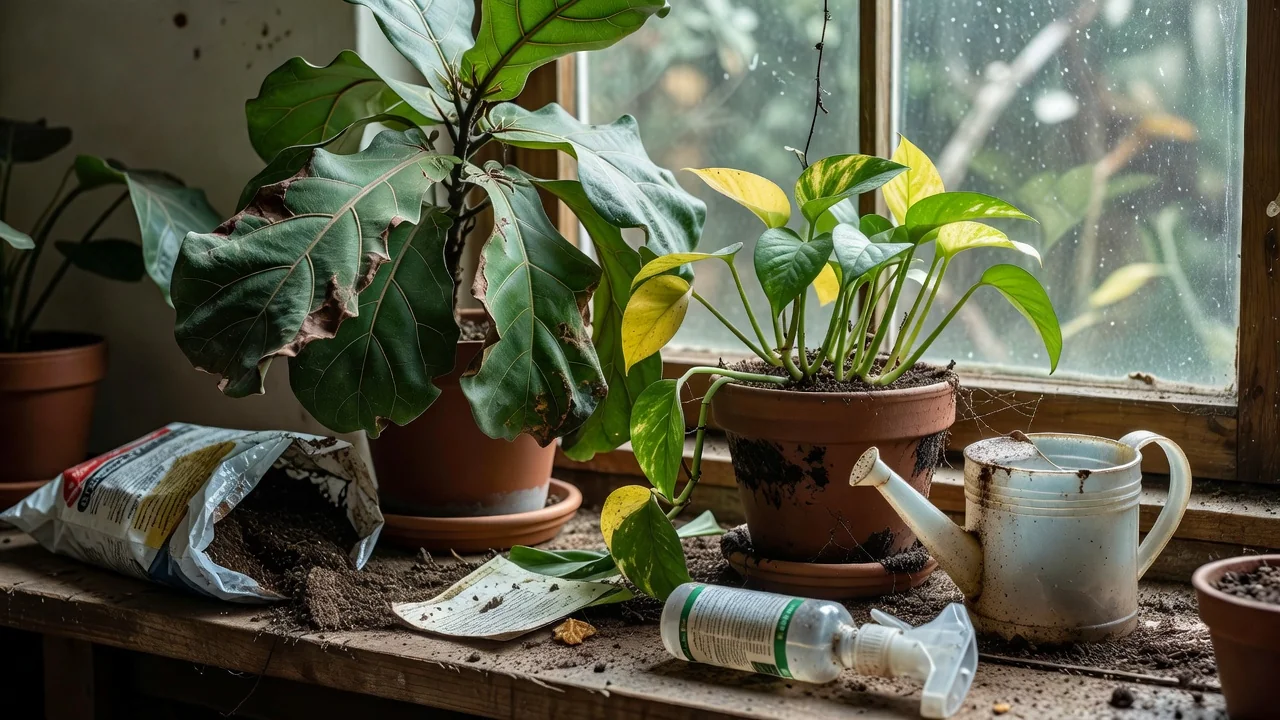
Additionally, ignoring signs of distress is another frequent mistake.
Plants communicate their needs through visible signs, such as yellowing leaves or drooping stems.
By familiarizing themselves with these signals, beginners can take timely action to remedy the situation.
For example, if a plant’s leaves start to wilt, it may require immediate watering or, conversely, could be suffering from overwatering.
Moreover, failing to adjust care routines with seasonal changes can also be detrimental.
Many plants have varying water requirements based on the season; for instance, during winter, they typically need less water.
Understanding these seasonal changes can significantly enhance a plant’s health and longevity.
Finally, neglecting to research specific plant requirements is a common pitfall.
Each species has its own unique needs regarding light, humidity, and water.
Beginners can benefit from resources such as 15 Best Indoor Plants That Are Easy to Care For, which can provide guidance tailored to their particular plants.
In conclusion, avoiding these mistakes can make a significant difference in the care of indoor plants.
With the right knowledge, even the most forgetful waterers can successfully maintain a thriving indoor garden.
Conclusion
Throughout this article, we explored the best indoor plants for beginners who forget to water.
You now have the essential knowledge to choose resilient plants that thrive despite the occasional neglect.
It’s time to take action: select your favorite low-maintenance houseplant today and bring a touch of greenery into your life.
Remember, nurturing plants can transform your space and uplift your spirit!