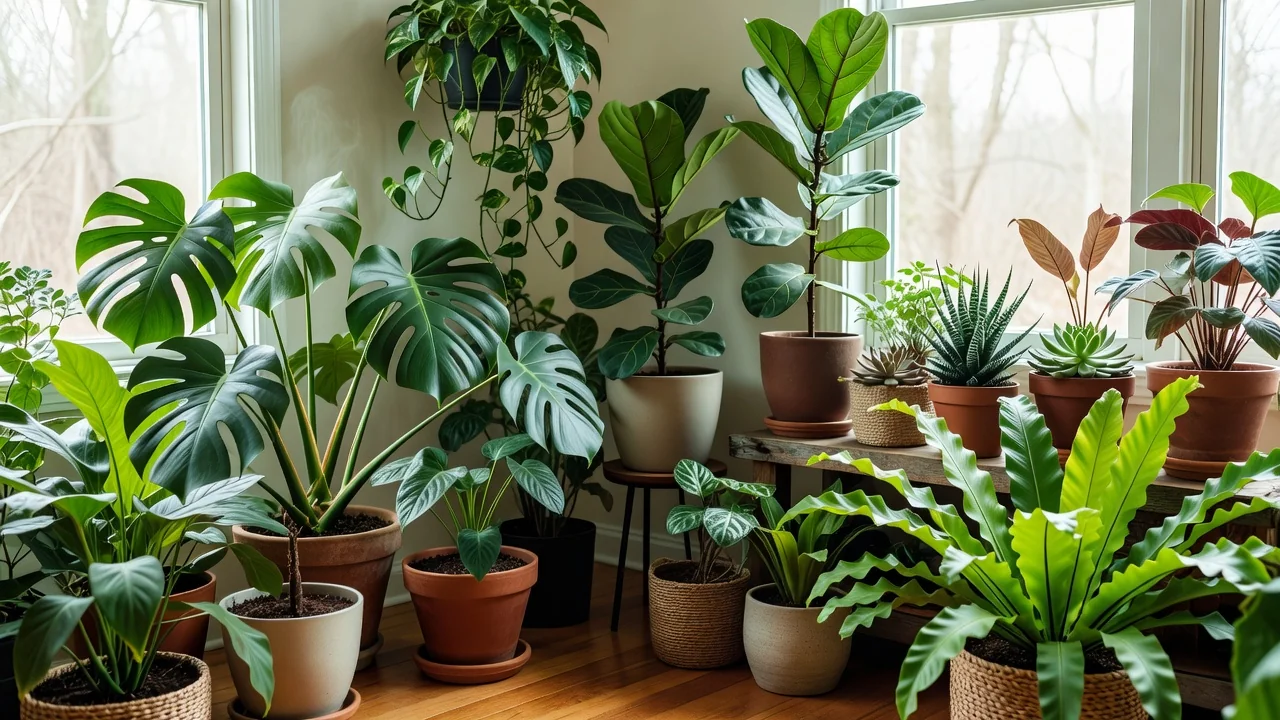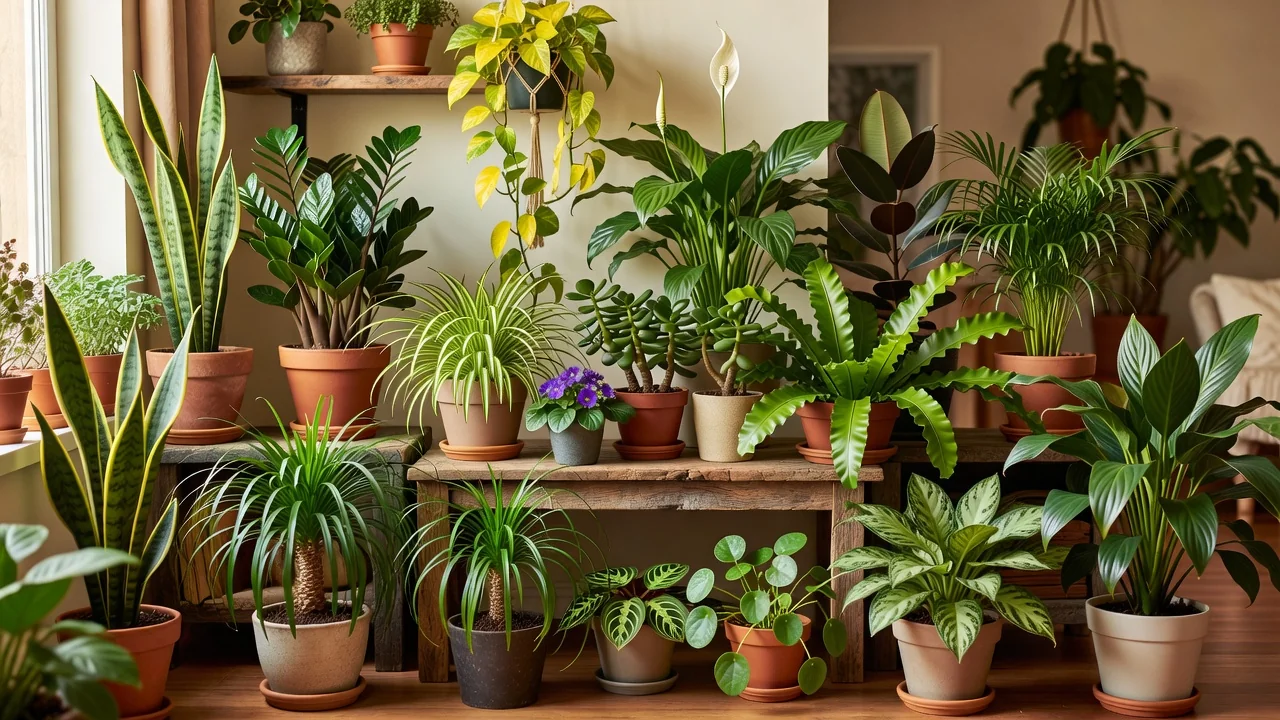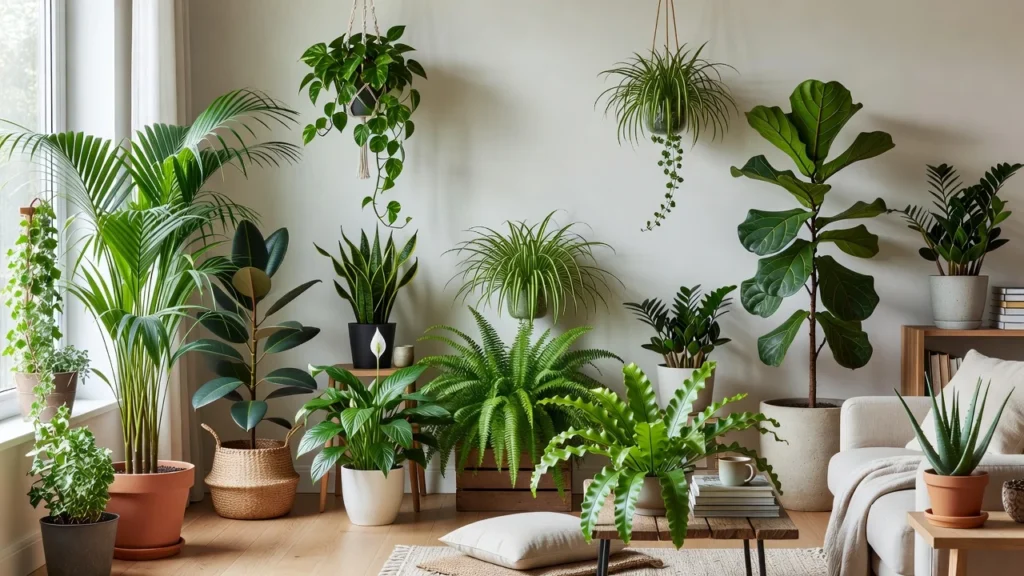
Did you know that indoor air can be up to five times more polluted than outdoor air?
With many of us spending the majority of our time indoors, it’s crucial to ensure that our living spaces promote health and well-being.
In this article, we will explore 12 air-purifying indoor plants that not only enhance your home’s aesthetic but also work tirelessly to cleanse the air you breathe.
You’ll discover the best indoor plants for air purification, their specific benefits, and how to care for them effectively.
The Importance of Air-Purifying Indoor Plants for a Healthier Home
Indoor air quality is a growing concern in today’s urban environments.
Many people are unaware that indoor air can be significantly more polluted than outdoor air, primarily due to household products, mold, and dust.
According to the Environmental Protection Agency (EPA), indoor air can be two to five times more polluted than outdoor air.
This pollution can lead to various health issues such as respiratory problems, headaches, and fatigue.
Fortunately, incorporating air-purifying plants into your home can help mitigate these issues.
Plants like the Peace Lily and Snake Plant are known for their ability to absorb harmful toxins like formaldehyde and benzene, effectively improving indoor air quality.
For instance, research conducted by NASA found that certain indoor plants can remove up to 87% of harmful air pollutants within a 24-hour period.
This demonstrates the significant impact these plants can have on creating a healthier living environment.
Moreover, air-purifying plants offer additional health benefits beyond just improving air quality.
They can enhance mood, reduce stress, and even boost productivity.
A study published in the Journal of Physiological Anthropology found that exposure to indoor plants can lower blood pressure and improve overall well-being.
Thus, having a few strategically placed plants in your home not only purifies the air but also contributes to a more positive atmosphere.
In conclusion, the integration of air-purifying indoor plants is essential for a healthier home.
Their ability to combat indoor air pollution while providing numerous health benefits makes them a valuable addition to any living space.
For more information about easy-to-care-for indoor plants, check out our article on the 15 Best Indoor Plants That Are Easy to Care For.
Top 12 Air-Purifying Indoor Plants for Your Home
Indoor plants are not just decorative elements; they play a crucial role in enhancing the air quality of our homes. By incorporating specific air-purifying plants, you can significantly reduce harmful toxins and create a healthier living environment.
Here are the top 12 air-purifying indoor plants you should consider adding to your home.
1. Spider Plant
The Spider Plant is renowned for its ability to remove formaldehyde, xylene, and toluene from the air.
This resilient plant thrives in indirect sunlight and requires minimal watering, making it perfect for beginners.
To propagate, simply cut the offshoots and place them in soil.
2. Peace Lily
The Peace Lily not only boasts beautiful white flowers but also effectively filters out ammonia, benzene, and carbon monoxide.
It prefers low light and needs only weekly watering.
However, be cautious; this plant is toxic to pets if ingested.
3. Boston Fern
With its lush foliage, the Boston Fern excels at removing formaldehyde and other toxins from the air.
It prefers a humid environment, so it’s best to keep it in bathrooms or kitchens.
Regular misting will keep this plant thriving.
4. Snake Plant
The Snake Plant, also known as Mother-in-Law’s Tongue, is extremely hardy and can survive in low light.
It is known for its ability to convert CO2 into oxygen at night, making it a unique choice for bedrooms.
5. Aloe Vera
Beyond its medicinal properties, Aloe Vera is effective at filtering out formaldehyde and benzene.
This succulent thrives on neglect, requiring only occasional watering and plenty of bright, indirect sunlight.
6. Rubber Plant
The Rubber Plant is an excellent air purifier that can absorb toxins and produce oxygen efficiently.
It prefers bright light and regular watering, but it can tolerate some neglect, making it suitable for busy households.
7. Dracaena
Dracaena plants come in various species, all known for their air-purifying capabilities.
They can filter out formaldehyde, xylene, and trichloroethylene.
Dracaenas prefer indirect light and need watering only when the soil feels dry.
8. Pothos
The Pothos is a versatile climbing plant that is great for beginners.
It can thrive in low light and removes indoor pollutants like formaldehyde and carbon monoxide.
Just be sure to keep it out of reach of pets, as it can be toxic if ingested.
9. Bamboo Palm
The Bamboo Palm is not only a beautiful addition but also an effective air purifier, filtering out benzene, formaldehyde, and trichloroethylene.
It thrives in bright, indirect light and needs to be watered regularly to maintain humidity.
10. Ficus Benjamina
The Ficus Benjamina, or Weeping Fig, is known for its ability to absorb airborne toxins.
It prefers bright, indirect sunlight and needs regular pruning to maintain its shape and health.
11. ZZ Plant
The ZZ Plant is incredibly low-maintenance and can survive in low light and dry conditions.
It is effective at removing toxins like xylene and toluene, making it a great choice for any room in the house.
12. Chinese Evergreen
The Chinese Evergreen is another hardy plant that thrives in low light and high humidity.
It is known for filtering out formaldehyde and other toxins, making it a great addition to any home.
Each of these plants offers unique benefits, not just for aesthetics but also for improving indoor air quality.
Adding a few to your space can make a significant difference in your home’s atmosphere.
For more tips on caring for indoor plants, check out 15 Best Indoor Plants That Are Easy to Care For.
Caring for Your Air-Purifying Indoor Plants
Caring for your air-purifying indoor plants is essential to ensure they thrive and continue to improve your home’s air quality.
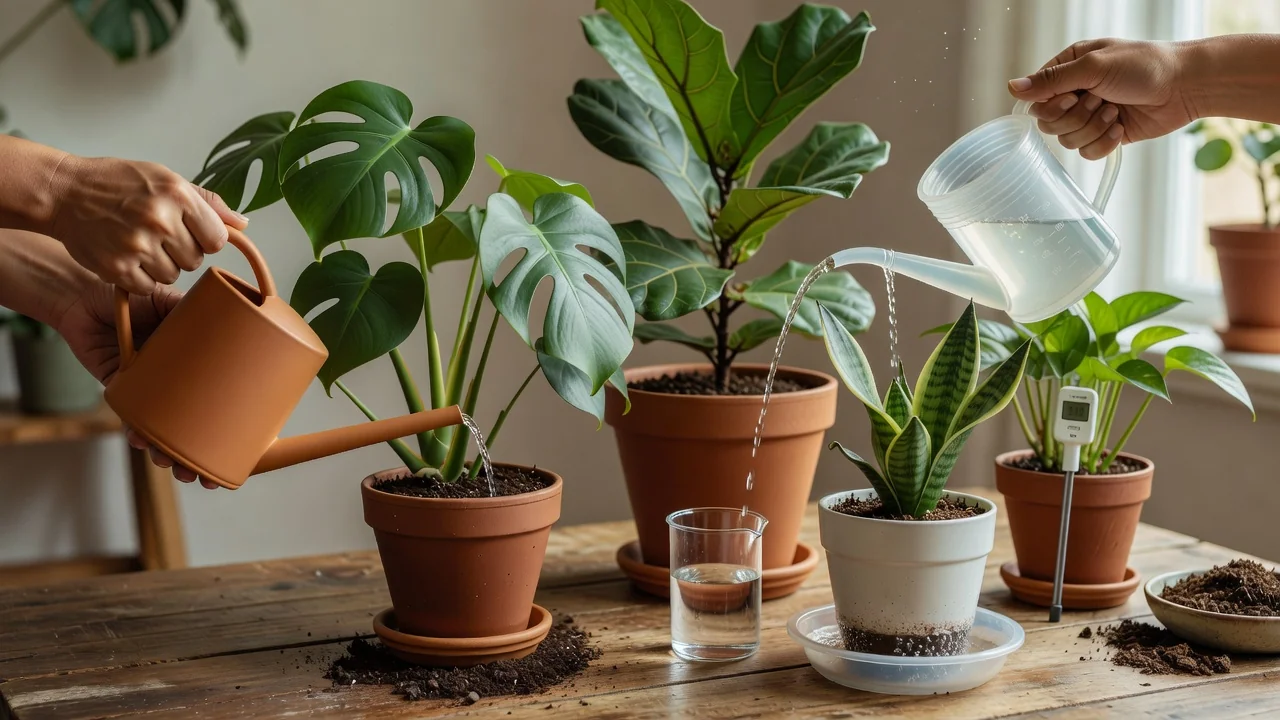
First and foremost, understanding watering guidelines for different plant types is crucial.
For example, plants like the Snake Plant prefer drier conditions and should be watered every 2-3 weeks, while the Pothos thrives with weekly watering.
Overwatering can lead to root rot, so always check the soil moisture before watering.
Furthermore, optimal lighting conditions play a significant role in the health of your indoor plants.
Most air-purifying plants, such as the Peace Lily and Spider Plant, do well in indirect sunlight.
However, some, like the Areca Palm, need brighter light to flourish.
Positioning your plants based on their light needs can significantly enhance their growth and air-purifying capabilities.
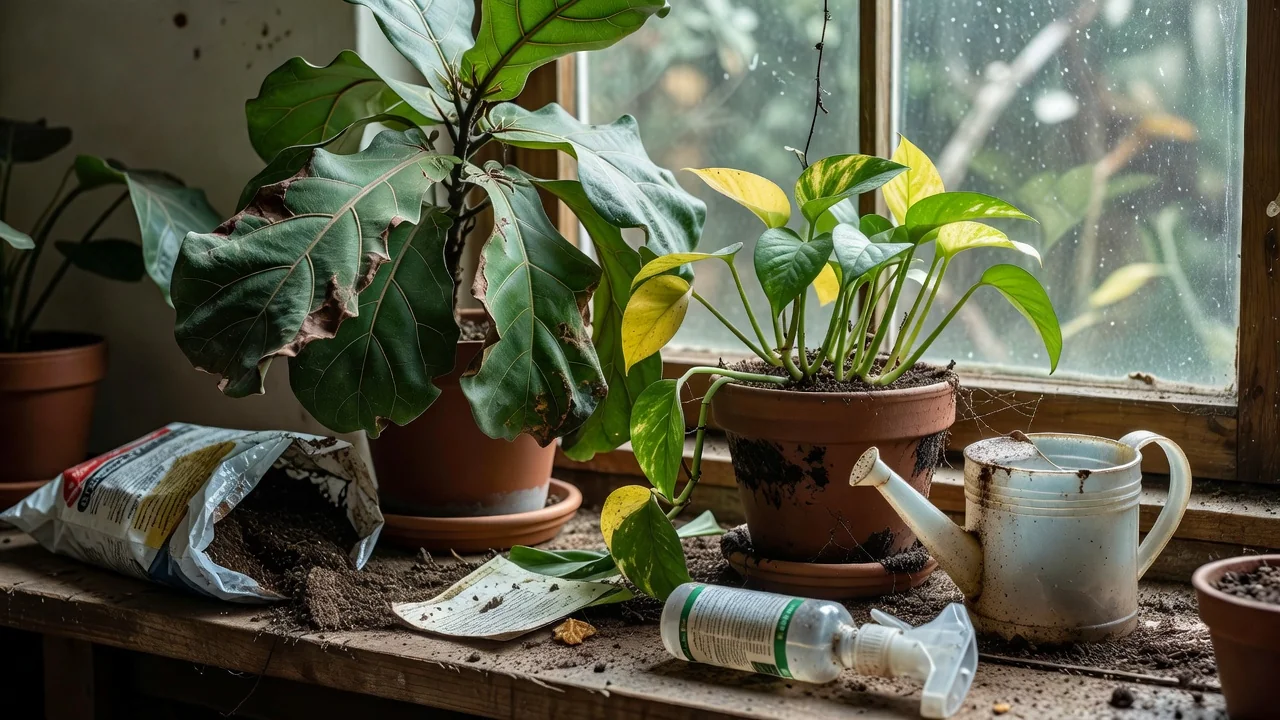
Additionally, being aware of common pests is vital for maintaining plant health.
Aphids and spider mites can be troublesome, but they can be managed with insecticidal soap or neem oil.
Regularly inspecting your plants and ensuring they are not overcrowded can help prevent infestations.
In conclusion, understanding the specific needs of your air-purifying indoor plants—from watering and lighting to pest management—will help ensure they remain healthy and effective in improving your home’s air quality.
For more tips on keeping your plants healthy, check out how to keep indoor plants healthy all year long.
Creating a Healthier Home Environment with Indoor Plants
Incorporating indoor plants into your home can significantly improve your living environment. Not only do they purify the air, but they also bring a sense of tranquility and beauty to various spaces.
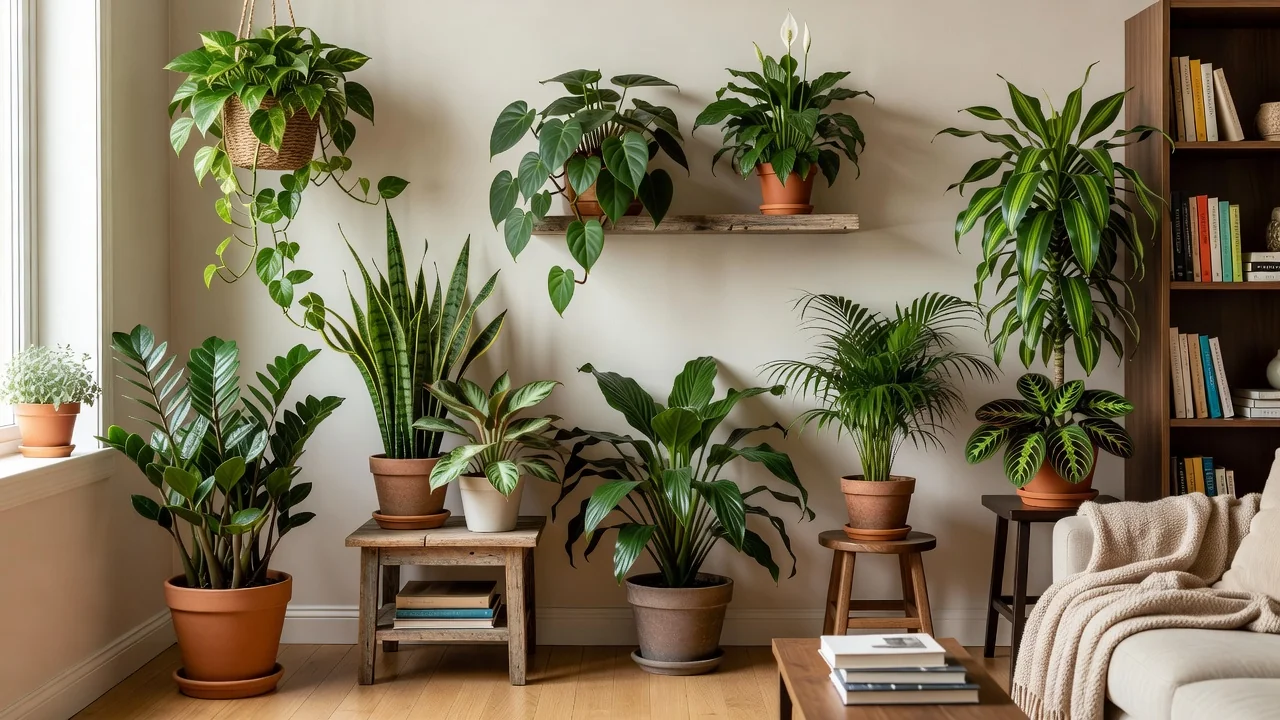
When integrating plants into different rooms, consider the design and placement.
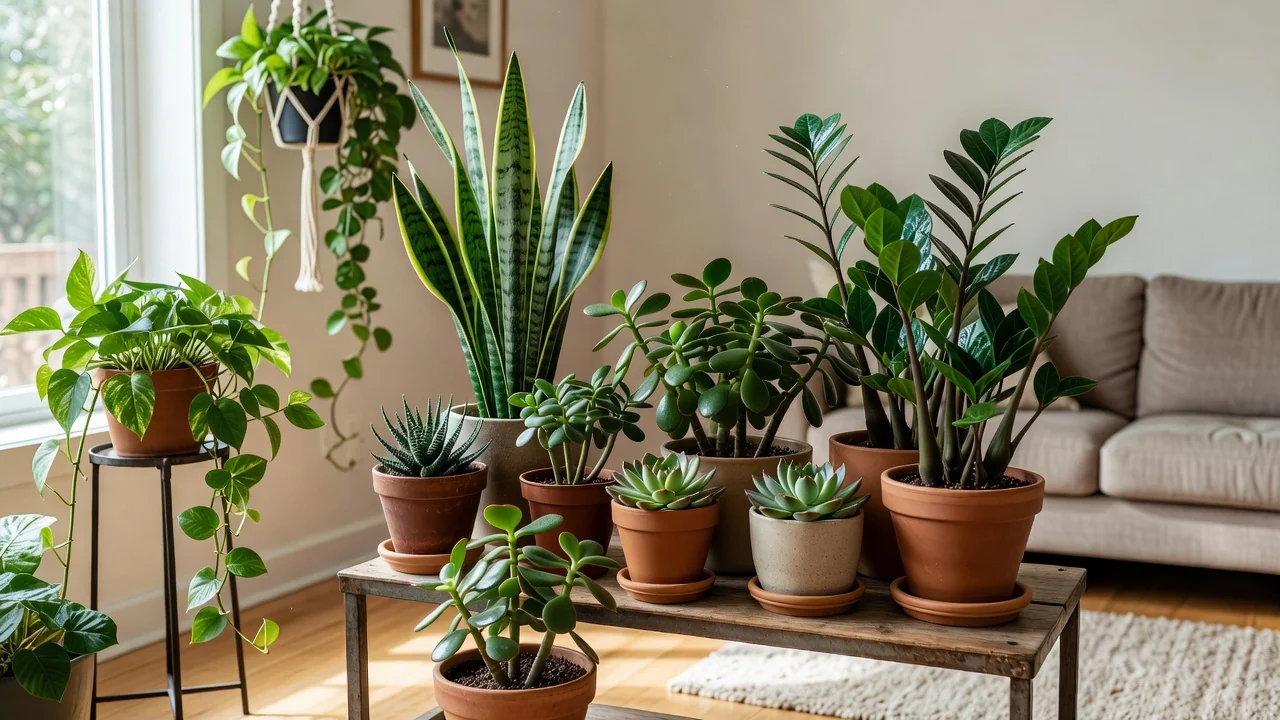
For instance, placing a tall snake plant in a corner can improve air quality while adding height to the room.
In contrast, hanging plants like pothos can draw the eye upward, making a smaller space feel larger.
Additionally, you might want to group smaller plants together on shelves or tables for a lush, vibrant display.
Furthermore, the psychological benefits of having plants indoors are well-documented.
Research indicates that having greenery in your home can reduce stress and enhance mood.
For example, studies show that individuals who work in environments with plants report feeling more relaxed and productive.
Incorporating plants like the peace lily or spider plant can not only beautify your home but also contribute to a healthier mental state.
Lastly, creating a balanced indoor ecosystem with plants fosters a sustainable environment.
By choosing a variety of plants that thrive in different light conditions, you can ensure that your home feels alive and vibrant.
For more tips on choosing the right plants, check out 15 Best Indoor Plants That Are Easy to Care For.
Ultimately, the journey to a healthier home begins with the thoughtful integration of indoor plants.
Their benefits extend beyond aesthetics, promoting overall well-being in your living space.
Conclusion
Throughout this article, we’ve explored the incredible benefits of the 12 air-purifying indoor plants for a healthier home.
These plants not only enhance your living space but also improve your overall well-being by filtering toxins and increasing oxygen levels.
Now is the time to take action: introduce these plants into your home and experience the transformation for yourself.
Imagine breathing cleaner air, feeling more energized, and enjoying the beauty of nature indoors!