Did you know that over 70% of houseplants die due to improper watering?
This staggering statistic highlights the critical role that proper watering plays in plant health.
In this comprehensive guide on How Often Should You Water Your Plants?, we will explore not only the necessary watering frequency for various plant types but also the best practices to ensure your greens thrive.
Understanding the nuances of plant hydration is essential for both seasoned gardeners and beginners alike, as it can make the difference between a flourishing garden and a wilted mess.
So, let’s dive into the world of plant care and uncover the secrets to optimal watering!
Understanding Plant Watering Needs
Understanding the watering needs of your plants is crucial for their overall health and vitality. Each plant species has its unique requirements, influenced by factors such as environment, soil type, and season.
Therefore, recognizing these specific needs is essential to ensure proper growth and avoid common pitfalls.
Different Watering Needs by Plant Species
Plants require different amounts of water based on their species and environmental conditions.
For instance, succulents and cacti thrive in arid conditions and need minimal watering.
In contrast, tropical plants such as ferns and peace lilies prefer consistently moist soil.
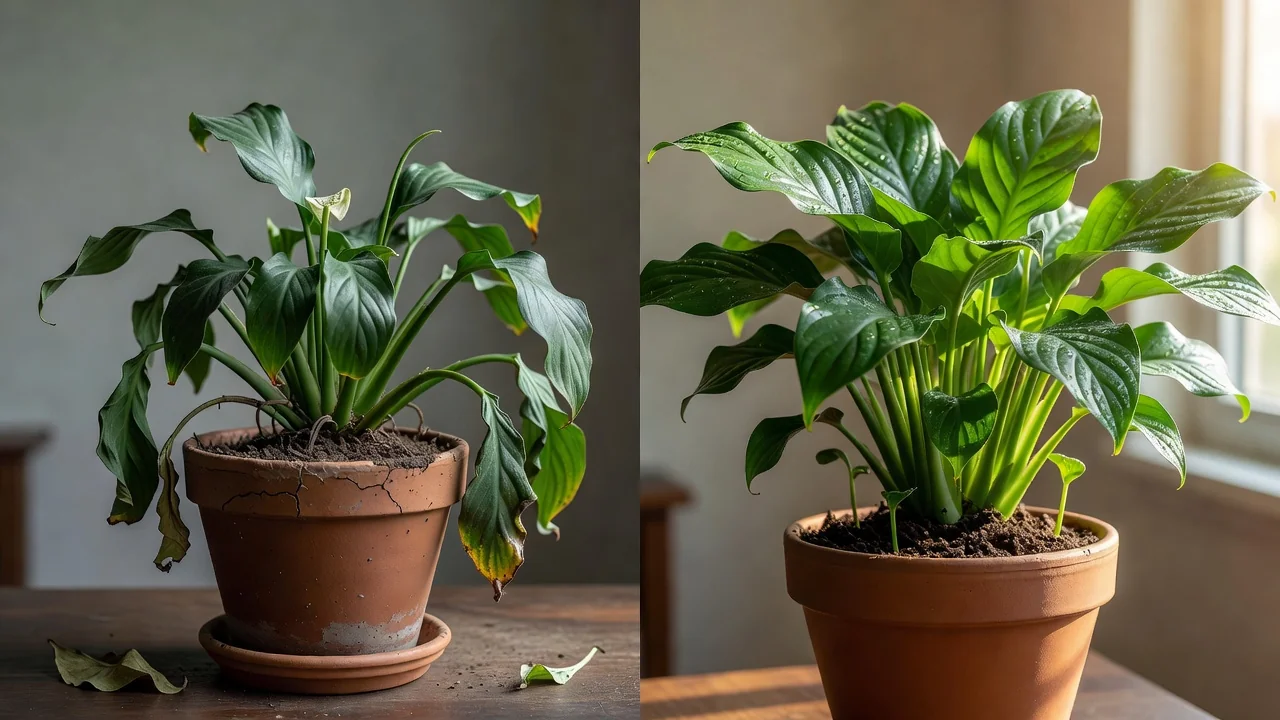
Notably, overwatering and underwatering can cause significant harm to plants. Overwatering can lead to root rot, a condition where roots become mushy and incapable of absorbing nutrients.
On the other hand, underwatering can cause wilting, browning of leaves, and ultimately, plant death.
To illustrate, consider the popular snake plant, known for its resilience.
It can survive in low-light conditions and requires watering only every two to three weeks.
Conversely, a flowering plant like the African violet thrives on more frequent watering, ideally every week, depending on humidity levels.
Understanding these differences is vital for successful plant care.
The Importance of Soil Moisture
Understanding soil moisture is key to determining watering frequency. The soil’s texture and composition can significantly affect how quickly it dries out.
Sandy soils drain water rapidly, requiring more frequent watering, while clay soils retain moisture longer, necessitating less frequent irrigation.
To ensure your plants receive adequate moisture, consider using a moisture meter.
This tool can help you monitor soil conditions accurately, ensuring you avoid the extremes of over and underwatering.
Moreover, seasonal changes can alter watering needs.
During hot summer months, plants may require more frequent watering compared to cooler seasons.
It’s essential to adjust your care routine accordingly.
For more tips on maintaining healthy plants, check out our article on 10 Essential Plant Care Tips Every Beginner Should Know.
In conclusion, understanding the specific watering needs of your plants is fundamental to fostering a healthy environment.
By recognizing the differences among species and monitoring soil moisture, you can ensure your green companions thrive.
Best Practices for Watering Indoor Plants
Use a Moisture Meter to Gauge Soil Dryness
Watering indoor plants effectively requires careful observation of soil moisture. One of the best practices to achieve this is by using a moisture meter.
This handy tool provides an accurate reading of the soil’s moisture level, allowing you to determine when it’s time to water.
Without this tool, it’s easy to overwater or underwater your plants, both of which can lead to serious health issues for your plants.
For instance, most houseplants thrive when the top inch of soil is dry, but some, like succulents, may prefer to dry out completely between waterings.
By inserting the moisture meter into the soil, you can avoid guesswork and ensure your plants receive the right amount of water.
This can be particularly beneficial for busy individuals or those who are new to plant care.
Remember, using a moisture meter not only helps in maintaining healthy soil but also encourages optimal root growth, which is crucial for the overall health of your plants.
Water Deeply but Infrequently to Encourage Root Growth
In addition to measuring moisture levels, it’s essential to water your plants deeply but infrequently. This method encourages roots to grow deeper into the soil, making them more resilient and better able to access nutrients and moisture.
When you water, aim to saturate the soil thoroughly, allowing water to reach the root zone.
For example, if you are caring for a peace lily, a common indoor plant, it thrives when watered deeply, approximately once a week, depending on environmental conditions.
Additionally, you might want to consider the specific needs of popular indoor plants like snake plants or pothos.
These plants may require less frequent watering compared to tropical varieties.
Always adjust your watering schedule based on the season and indoor humidity levels.
Maintaining a consistent watering routine is vital.
Indoor environments can fluctuate, especially with changes in temperature and humidity.
Therefore, keeping track of your plants’ needs over time will help you become a more effective plant parent.
For more tips on plant care, you can explore resources like 10 Essential Plant Care Tips Every Beginner Should Know.
Outdoor Plant Watering Tips
Watering Timing: The Early Morning Advantage
When it comes to watering outdoor plants, timing is crucial. Watering during the early morning is often recommended as it allows plants to absorb moisture before the heat of the day sets in.
This practice not only minimizes evaporation but also ensures that the plants have access to water when they need it most.
For example, if you water your plants at noon, a significant portion of that water may evaporate before the plants can use it.
Early morning watering helps to maintain soil moisture levels, promoting healthier growth.
Moreover, morning watering also reduces the risk of fungal diseases.
When leaves stay damp for extended periods, they become more susceptible to diseases.
By watering in the morning, the sun can help dry the leaves quickly, thereby reducing this risk.
This strategy is particularly beneficial for plants that are prone to leaf spot diseases.
As a rule of thumb, aim to water your plants between 6 AM and 10 AM for optimal results.
Utilizing Mulch and Rainfall Considerations
Another effective strategy to enhance your outdoor watering routine is the use of mulch.
Applying a layer of mulch around your plants can significantly retain moisture in the soil.
Mulch acts as an insulating layer, preventing soil from drying out too quickly and reducing the frequency of watering required.
Organic materials like wood chips or straw not only help retain moisture but also improve soil quality as they decompose.
Additionally, always consider recent rainfall when adjusting your watering schedule. Monitoring rainfall amounts can help you determine how much additional water your plants may need.
For instance, if your area received a significant amount of rain, you may want to skip watering for a few days.
This not only conserves water but also prevents overwatering, which can lead to root rot.
For more comprehensive plant care, check out 10 Essential Plant Care Tips Every Beginner Should Know.
In summary, effective outdoor watering requires careful consideration of timing, the use of mulch, and awareness of rainfall.
By implementing these tips, you can ensure that your plants receive the appropriate amount of water they need to thrive.
Signs Your Plants Need Water
Recognizing the signs that your plants need water is crucial for their health. Plants communicate their needs through visible indicators, and understanding these can prevent serious damage.
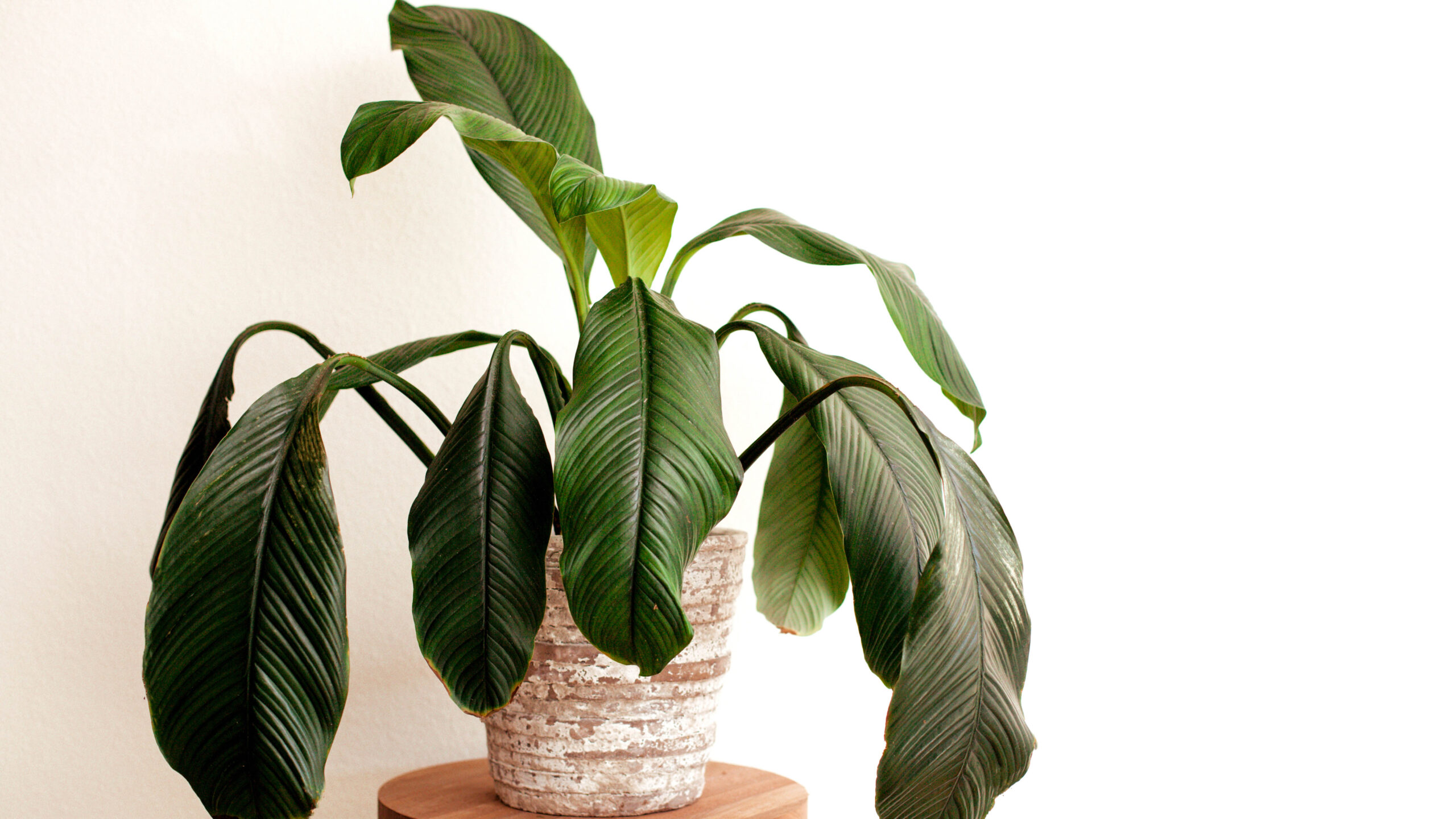
One of the most common signs is wilting leaves.
When the leaves start to droop, it often means the plant is thirsty.
Additionally, dry soil is another clear indicator.
If the top inch of soil feels parched and crumbly, it’s time to water.
For example, a succulent may appear shriveled if it hasn’t received sufficient moisture.
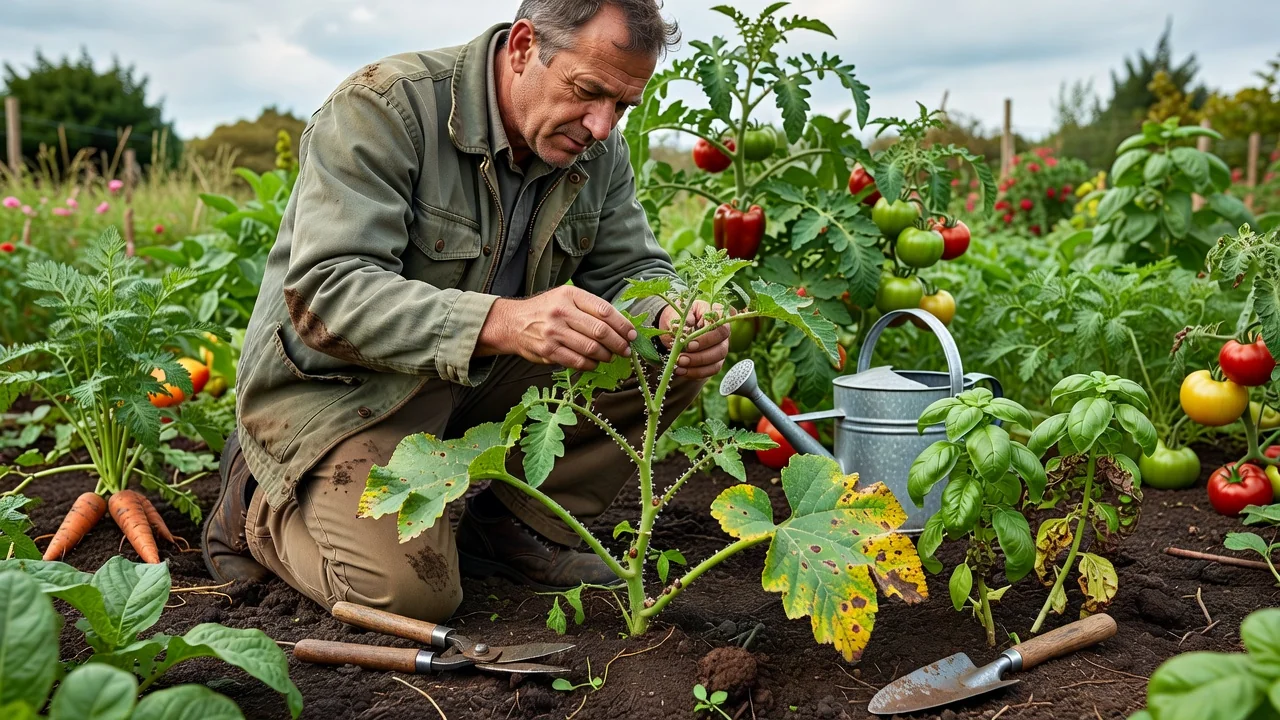
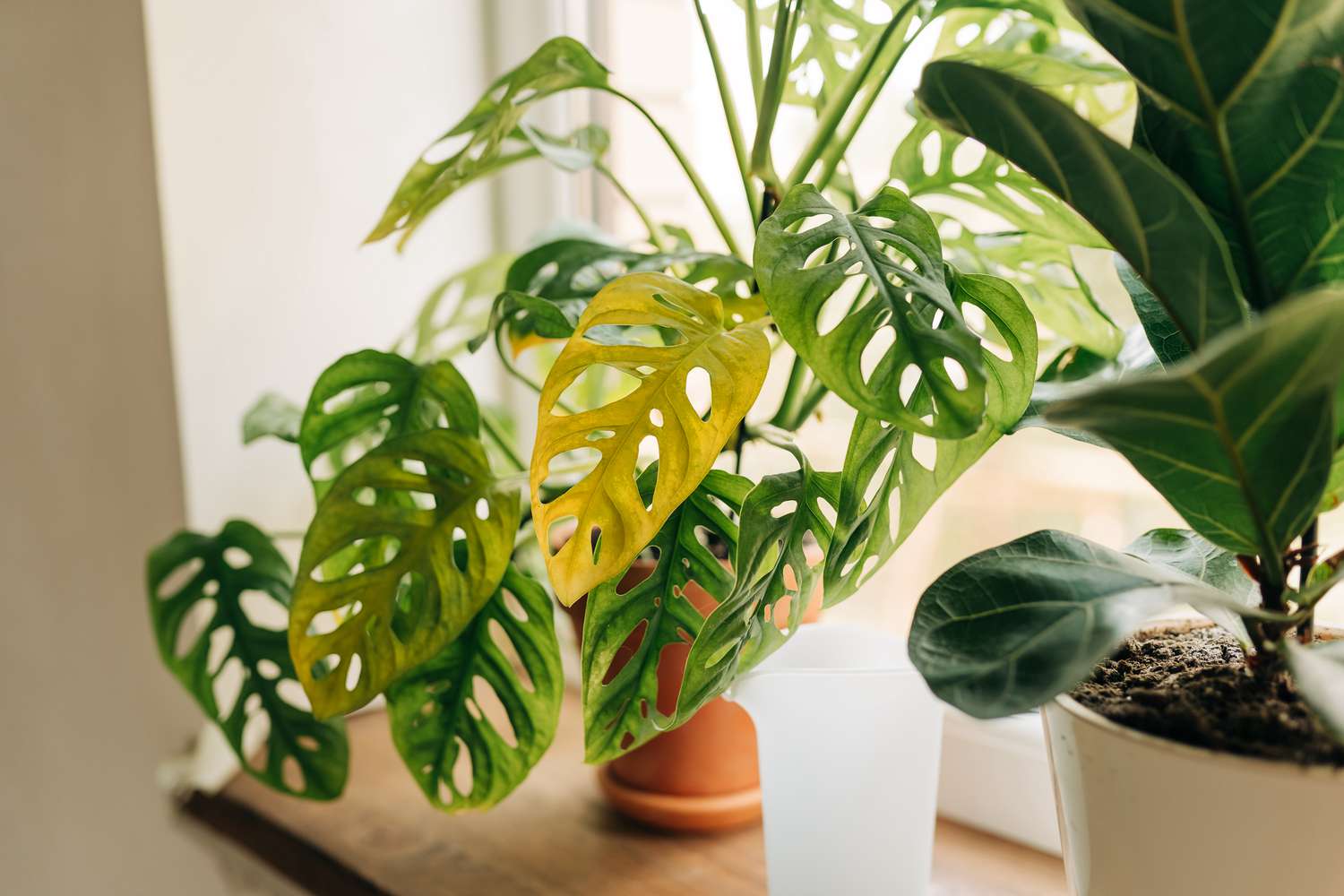
On the other hand, yellowing leaves can signal either overwatering or underwatering.
If the leaves are turning yellow and the soil is soggy, you might be watering too frequently.
Conversely, if the soil is dry and the leaves are yellow, your plant may be suffering from drought stress.
Testing soil moisture with your finger or a moisture meter can help clarify the situation and prevent guessing.
In conclusion, monitoring these signs will help maintain your plant’s health.
For more tips on plant care, consider checking out 10 Essential Plant Care Tips Every Beginner Should Know.
Conclusion
Throughout this guide, we’ve uncovered the essential principles of watering your plants effectively.
With your newfound knowledge on how often you should water your plants, you are equipped to nurture them to thrive.
Now is the time to take action: assess your watering routine and make adjustments as needed, starting today.
By prioritizing the right watering frequency, you can unlock the full potential of your greenery!