Did you know that nearly 40% of the world’s land is affected by drought?
As climate change continues to challenge traditional gardening practices, the need for resilient plants has never been more crucial.
In this article, we will explore the Top 10 Drought-Tolerant Garden Plants That Thrive in Any Climate, ensuring that your garden remains vibrant and sustainable, even in the toughest conditions.
By selecting the right plants, you can not only conserve water but also create a stunning outdoor space with minimal maintenance.
Join us as we dive into these botanical wonders that promise to flourish regardless of the weather.
Why Choose Drought-Tolerant Garden Plants?
In an era of increasing environmental awareness, choosing drought-tolerant garden plants has become essential. These plants are not only resilient but also play a crucial role in conserving water.
By selecting plants that thrive in arid conditions, gardeners can significantly reduce their water usage.
This is particularly important in areas prone to drought, where water conservation is critical for sustainability.
Moreover, drought-tolerant plants often require less maintenance, which translates to lower gardening costs.
For instance, native plants like lavender and sedum are designed by nature to survive with minimal water.
This not only saves money on irrigation but also reduces the time spent on upkeep, allowing gardeners to enjoy their outdoor spaces without the burden of constant care.
Additionally, opting for these plants supports local ecosystems and wildlife.
Drought-tolerant gardens attract beneficial insects and birds, fostering biodiversity.
By selecting plants that are native to your region, you can create a harmonious environment that supports local wildlife.
For more tips on low-maintenance plants, check out 20 Low-Maintenance Garden Plants for a Stunning Outdoor Space.
In conclusion, choosing drought-tolerant garden plants is a smart decision for both the environment and the gardener. Not only do they conserve water and reduce maintenance costs, but they also enhance local ecosystems.
This approach to gardening not only benefits individual gardeners but also contributes to a more sustainable future.
Top 10 Drought-Tolerant Garden Plants for Any Climate
Creating a sustainable garden is increasingly important, particularly in areas prone to drought. Selecting the right plants plays a crucial role in conserving water while still achieving a vibrant outdoor space.
Below are ten outstanding drought-tolerant plants that thrive in various climates, offering both beauty and resilience.
1. Agave
The Agave is a stunning succulent known for its architectural form and sharp, spiky leaves.
These plants are incredibly low-maintenance and can survive with minimal water, making them ideal for arid climates.
Agaves are also versatile in their uses; they can serve as focal points in a garden or be used to create a dramatic landscape design.
Some species can even produce edible nectar.
Moreover, Agaves are highly resistant to pests and diseases, which means you won’t need to use harmful pesticides.
When planted in well-draining soil, they can withstand extreme heat and drought conditions.
This ability to thrive under stress is one reason why they’re popular among gardeners aiming for sustainability.
2. Lavender
Lavender is not just a beautiful flowering plant; it’s also incredibly drought-tolerant.
Known for its fragrant purple blooms, this herb thrives in well-drained soil and full sun.
Lavender requires minimal watering once established and can be used in various landscapes, from formal gardens to casual cottage settings.
Additionally, Lavender attracts pollinators like bees and butterflies, enhancing the biodiversity of your garden.
It also has multiple uses—from culinary applications to natural remedies—making it a valuable addition to any garden.
With its resilience and versatility, Lavender is an excellent choice for gardeners interested in both aesthetics and practicality.
3. Sedum
Sedum, commonly referred to as stonecrop, encompasses a diverse group of succulent plants that are easy to grow and maintain.
These plants can store water in their leaves, allowing them to thrive in conditions where other plants may struggle.
Sedum varieties come in various shapes, sizes, and colors, adding visual interest to any garden.
They are particularly effective in rock gardens and as ground cover, where they help prevent soil erosion.
Furthermore, Sedum’s ability to attract butterflies and other beneficial insects makes them a wonderful choice for eco-friendly gardening.
4. Russian Sage
Russian Sage is another outstanding choice for drought-tolerant gardens.
This perennial produces tall spikes of lavender-blue flowers that bloom from summer to fall.
It thrives in poor soil conditions and requires very little water once established.
Russian Sage is not only drought-resistant but also highly resilient to pests and diseases.
Its aromatic foliage adds to the sensory experience of your garden, making it an excellent choice for sensory gardens or landscapes designed for relaxation.
With its beautiful blooms and minimal water needs, Russian Sage is perfect for gardeners looking to create a stunning yet sustainable garden.
5. Coneflower
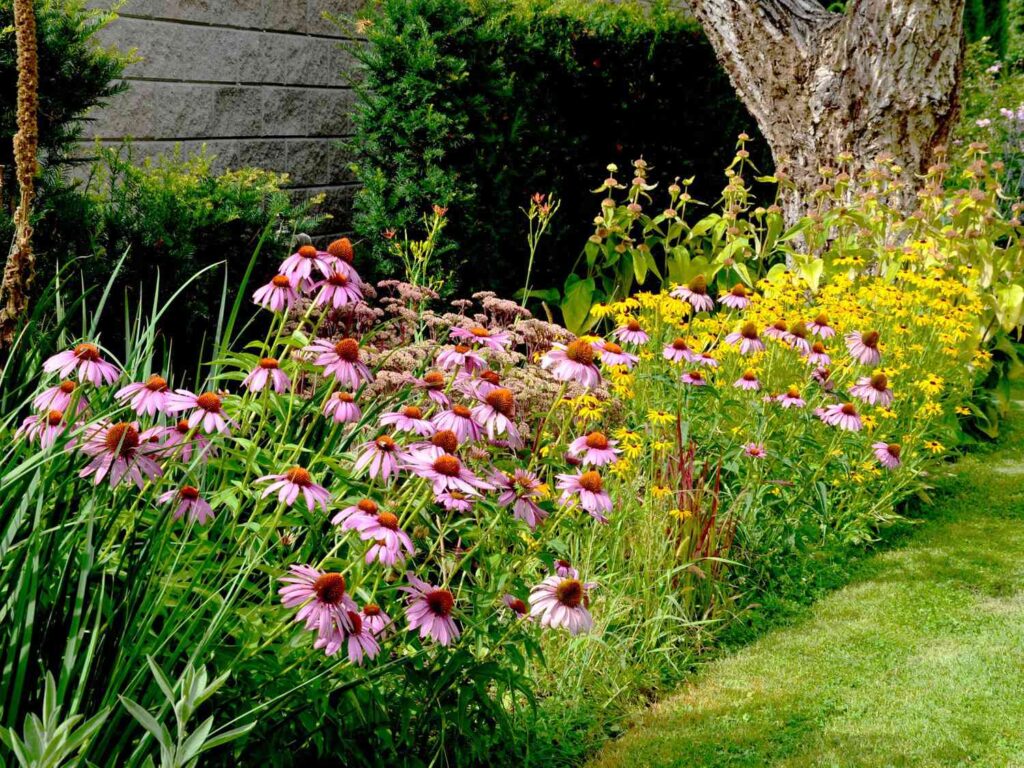
Coneflowers, or Echinacea, are hardy perennials that not only add color to your garden but also attract pollinators.
These flowers are drought-tolerant and can thrive in a variety of soil types.
Coneflowers bloom from early summer to fall, providing a long-lasting display of vibrant colors.
Their resilience to heat and dry conditions makes them a favorite among gardeners.
Additionally, they require minimal maintenance, as they can self-seed and spread over time, enriching your garden with their beauty year after year.
For more options on low-maintenance plants, consider checking out 20 Low-Maintenance Garden Plants for a Stunning Outdoor Space.
Caring for Your Drought-Tolerant Garden Plants
Maintaining drought-tolerant garden plants requires specific techniques to ensure their health and longevity. One of the most important aspects is understanding proper watering techniques.
While these plants are designed to thrive in arid conditions, they still need water to establish their roots.
A deep watering approach is recommended, where water is applied less frequently but in larger amounts.
This encourages deeper root growth, allowing plants to access moisture from lower soil levels.
In addition to watering, soil quality and mulching play crucial roles in the care of drought-tolerant plants.
Using well-draining soil helps prevent root rot, which can occur if plants sit in waterlogged soil.
Adding organic mulch around the base of plants not only conserves moisture but also suppresses weeds that compete for nutrients.
For instance, a layer of wood chips or straw can be effective in maintaining soil temperature and moisture.
Seasonal care is equally vital.
During extreme heat or dry spells, it’s beneficial to monitor your plants closely.
Providing shade during the hottest parts of the day can reduce stress on the plants.
Furthermore, fertilizing with natural options, such as compost, can enhance growth and resilience.
For additional tips on selecting suitable plants for various conditions, refer to this guide on choosing the right garden plants.
Designing a Drought-Tolerant Garden
Creating a drought-tolerant garden is not only sustainable but also visually appealing. By carefully selecting plants that thrive in arid conditions, you can achieve a lush landscape that requires minimal water.
One effective approach is combining colors and textures for visual interest.
For instance, pairing the silvery foliage of lamb’s ear with the vibrant blooms of desert marigold creates a striking contrast.
This not only enhances the beauty of your garden but also provides a habitat for local wildlife.
Furthermore, creating zones and layers within your garden can improve functionality and aesthetics.
By grouping plants with similar water needs together, you can manage irrigation more efficiently.
For example, placing drought-tolerant plants like sedum in the sunniest areas while reserving shadier spots for more delicate varieties ensures that each plant receives the appropriate care.
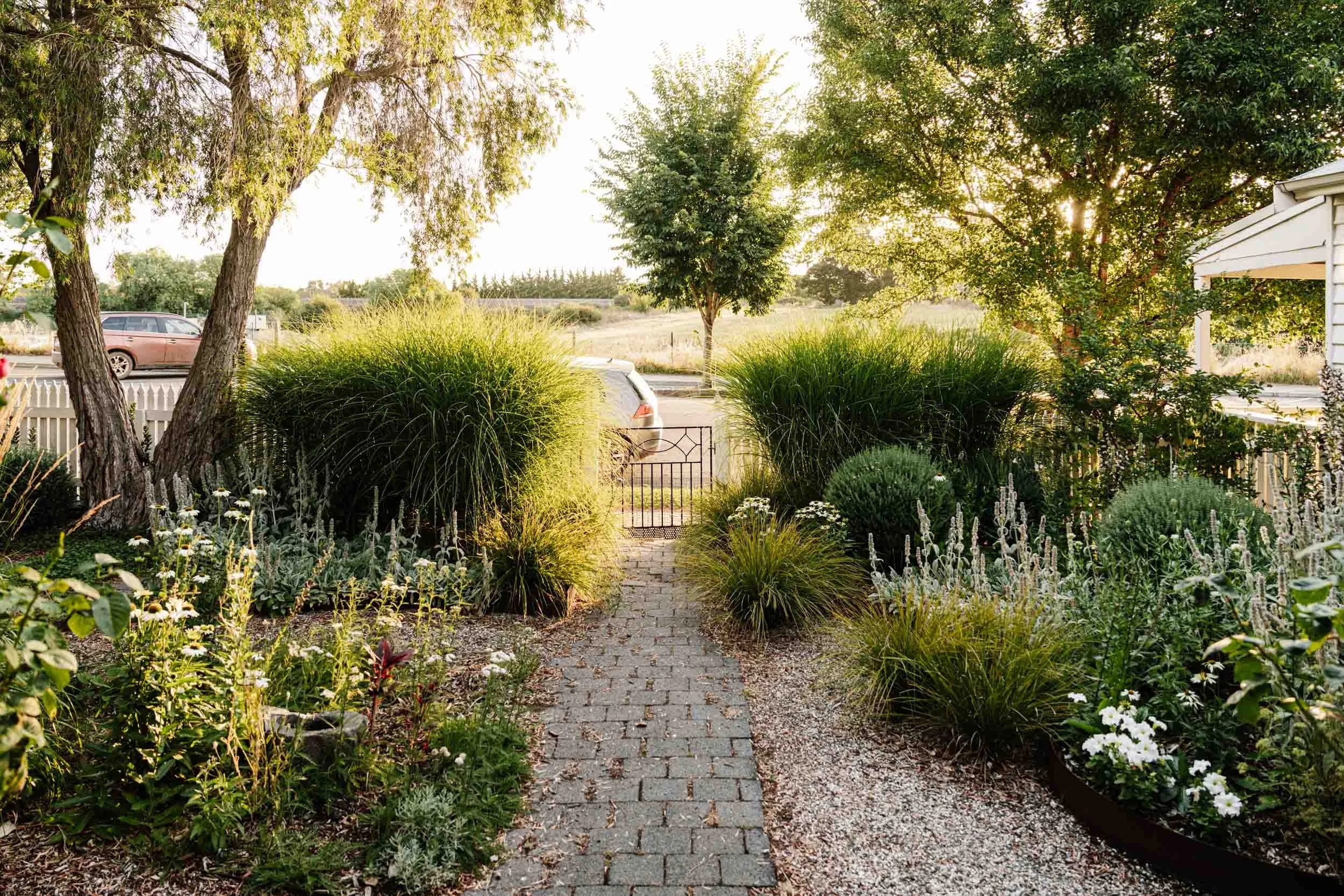
Finally, incorporating pathways and seating areas invites leisurely enjoyment of your garden space.
Using materials such as gravel or decomposed granite not only adds a rustic charm but also aids in drainage.
This thoughtful design creates a welcoming atmosphere for relaxation and appreciation of your drought-tolerant plants.
In conclusion, designing a drought-tolerant garden involves a balance of aesthetics and practicality.
For further insights on low-maintenance options, check out 20 Low-Maintenance Garden Plants for a Stunning Outdoor Space.
The Environmental Impact of Drought-Tolerant Gardening
Drought-tolerant gardening has significant environmental benefits. By choosing plants that require less water, homeowners can reduce their overall water consumption in landscaping.
This not only conserves a precious resource but also lowers utility costs.
For instance, implementing drought-tolerant plants can reduce water use by up to 50% compared to traditional gardens.
Additionally, these gardens support biodiversity and local wildlife.
Native plants attract pollinators such as bees and butterflies, which are essential for a healthy ecosystem.
Furthermore, drought-tolerant landscapes can help mitigate urban heat islands, where cities experience higher temperatures than surrounding areas.
By incorporating these plants, gardeners contribute to a cooler, more sustainable environment.
Overall, adopting drought-tolerant gardening practices not only enhances the beauty of outdoor spaces but also promotes environmental health.
Conclusion
In this article, we uncovered the incredible benefits of the Top 10 Drought-Tolerant Garden Plants That Thrive in Any Climate.
You are now equipped with the knowledge to create a vibrant, sustainable garden that not only conserves water but also contributes positively to the environment.
Your next step: Explore these plants and start designing your drought-tolerant garden today!
Imagine a flourishing space that requires minimal maintenance while showcasing the beauty of nature.